
WHAT IS WHITE PRIVILEGE?
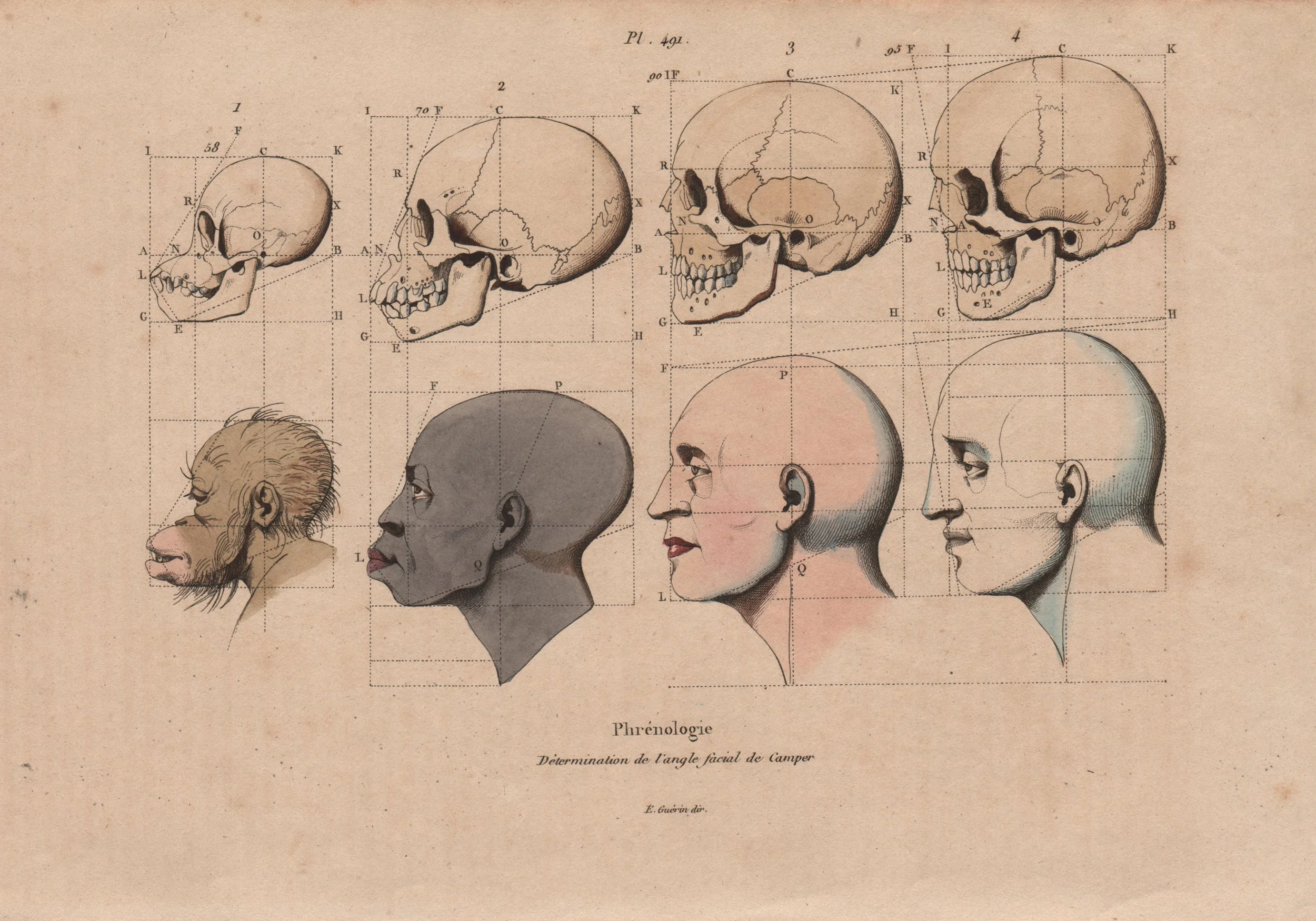
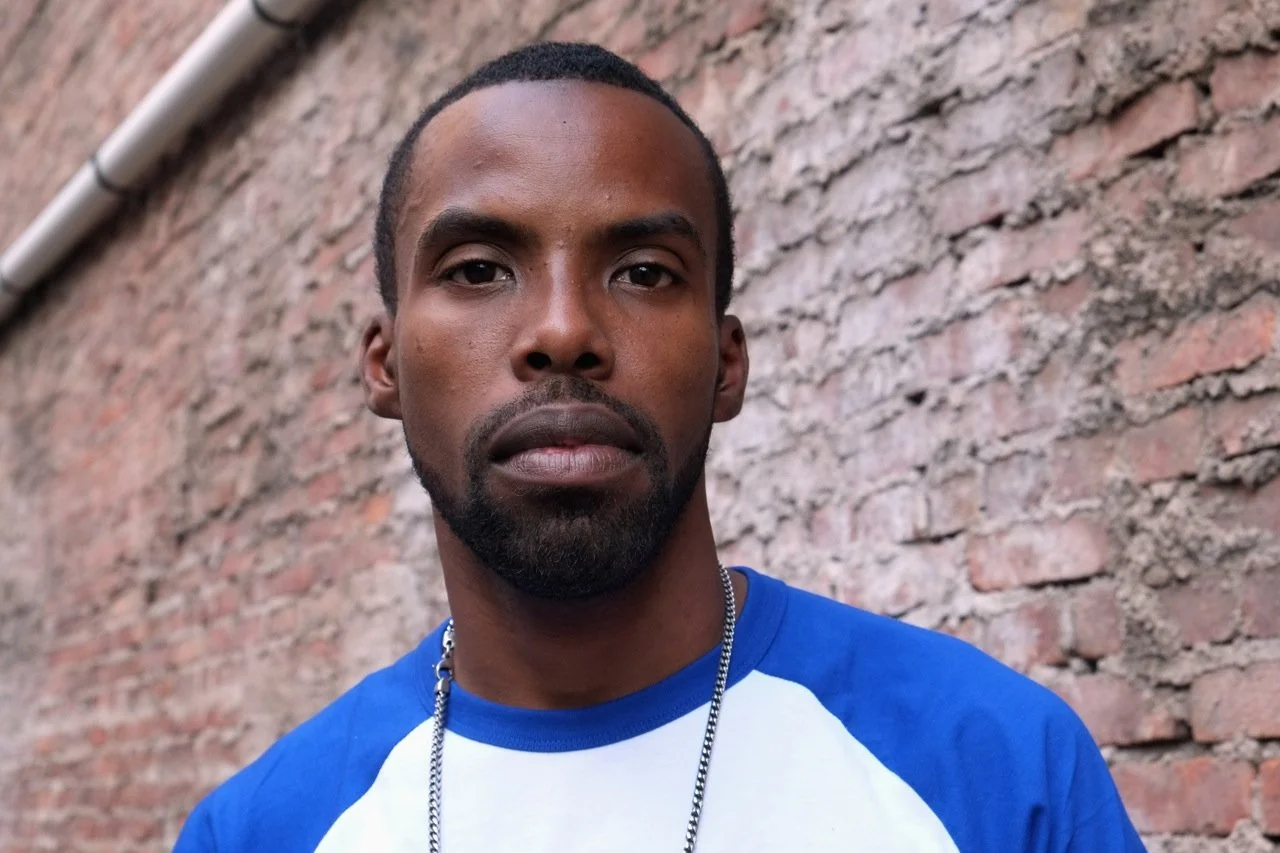
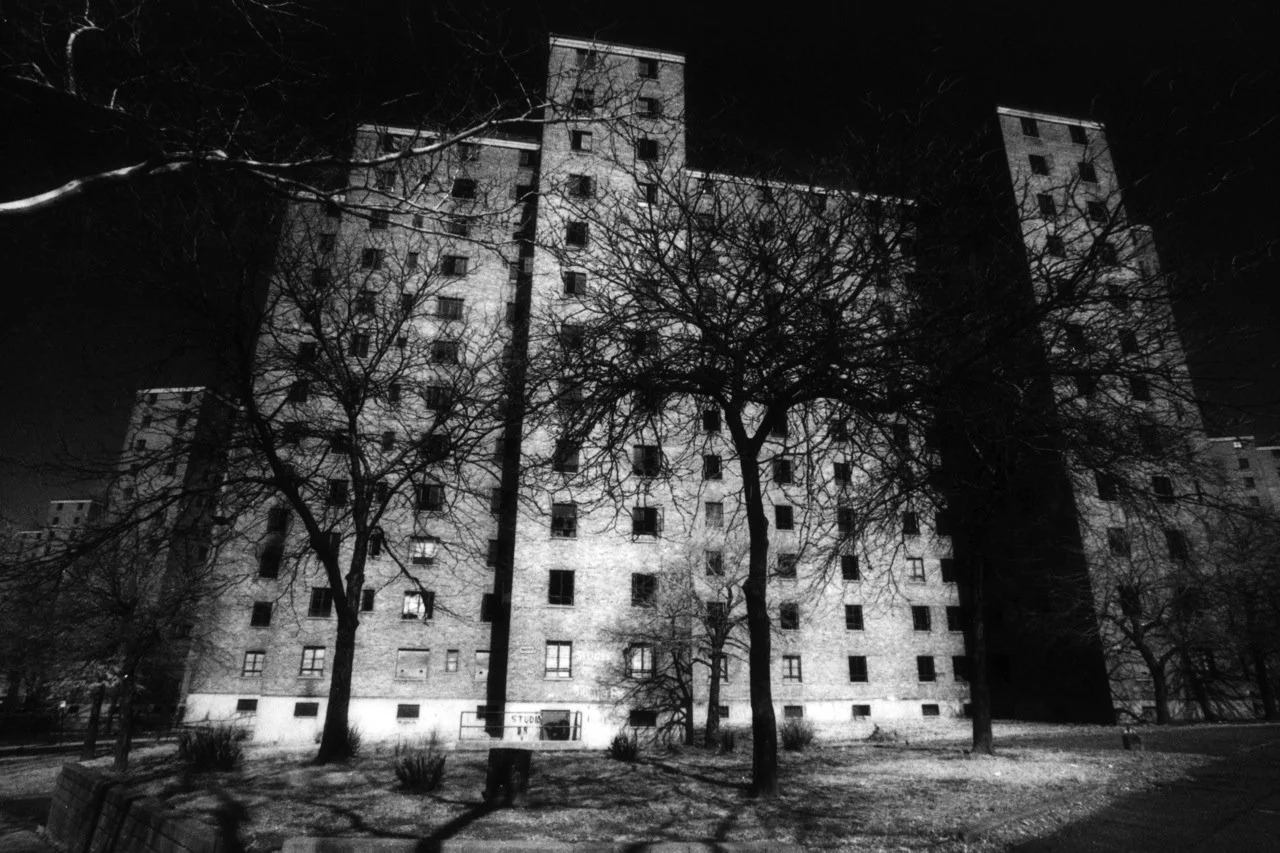
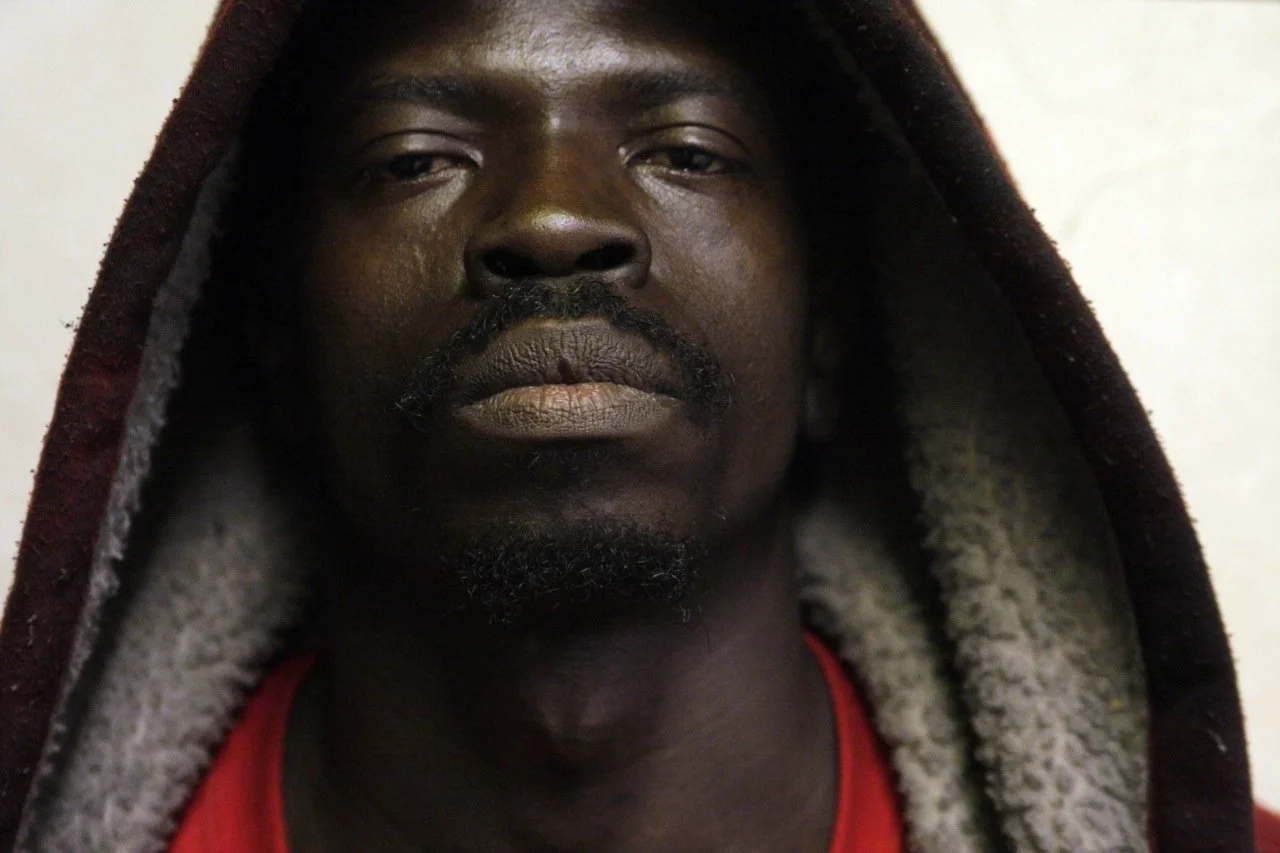
words by David Leonard | images by (in order of appearance) Herbert French and Ayana V. Jackson
white privilege is benefit; it is opportunity; it is systemic and ingrained. It is winning the race without having to acknowledge your own advantages or the endemic disadvantages that allow for your victories.
It is getting into a college because your great-grandfather was an alum from a time when Black students were barred. It is a guaranteed spot in the middle class because your family emigrated from Europe and found jobs at companies that wouldn’t hire Black workers, in industries where white-only unions guaranteed better wages and protections.
white privilege means growing up in a community, on a block, in a house that your parents accessed because of redlining, because of intergenerational wealth resulting from a history of slavery, anti-Black racism, and institutionalized white supremacy. It is having access to social networks that allow you to get that job or secure advice that enhances your shot at admission to a desired school. It is attributing your rewards to merit, hard work, ambition, honesty, and virtue – although without white skin, the keys to success would not have been handed to you. white privilege is being celebrated as a “real American,” the hard-working men and women who make America exceptional.
white privilege embodies what is seen as normal and desired. The Disney blockbuster “Frozen” where there are no characters of color, is white privilege. The Nivea ad proclaiming “White is Purity...Keep it clean, keep it bright. Don’t let anything ruin it” is white privilege. It is a Black Lives Matter protest vaguely referenced in an ad starring white model Kendall Jenner, who is cheered for offering a Pepsi to a white policeman.
In Hollywood, in politics, in professional sports, white privilege rules. On the field, #PlayingWhileWhite is having the ability to speak about a controversial issue or remain silent but be celebrated either way: as sticking to sports or being #woke. It is being seen as the leader, as intelligent, as hard working; as a role model; and as embodying what is inherently good about sports. These are also the wages of whiteness within and beyond the athletic arena.
Even for poor white people, white privilege exists. It’s being able to walk into a store where no one suspects you of being a criminal based only on the color of your skin; it means being able to send out your resume and not be judged by your name. If you are injured in a car accident and knock on a white person’s door in the middle of the night, they’re more likely to help than to dial 911 because they fear for their own safety. Police are less likely to pull you over for a minor traffic offense and less likely to beat and shoot you. It means that before you are even born, your socially and politically constructed pathway will protect you from the consequences of everyday violence and the structural consequences the come with being Black while living in an anti-Black society.
For white people who aren’t poor, white privilege means having the opportunity to live in racially segregated bubble where things exist “as they should.” It is going to a school that has ubiquitous resources, from numerous advanced placement classes to a myriad of sports teams. It is having access to ice skating rinks, ski slopes, beaches, and swimming pools – spaces of exercise and leisure. It is no wonder that at every level of competitive swimming, from high school and college teams to the Olympics, the vast majority of participants are white. It is why, in America, Black children drown at 5.5 times the rate of other children. This is what anti-Black racism looks like.
If you’re white, you belong to a demographic that’s healthier than Black people. You’re more likely to have health insurance and access to quality health care. Your blood pressure is lower, your risk of heart disease is lower, you’re less likely to have a baby that dies during childbirth. whiteness means you are more likely to have access to healthier foods and, of course, a life free from the stresses of racism. white privilege means you have a far greater chance of staying alive.
At its most essential, white privilege is about death and life; it is an instrument of death and a protector of humanity. When I asked others how they defined white privilege, the truth-tellers who answered the question made this abundantly clear. The human condition is defined by the inevitably of death, yet in America, race shapes that relationship. white privilege is also, as noted by JLove Calderón, evident in the potential and importance of action, in becoming accomplices, not allies. Her words, like those of other activists, artists, thinkers, writers, teachers, commentators, and brilliant friends included here, are not simply a reminder of the meaning of white privilege — and what defines our current racial condition — but of what can be as we work toward equity and justice.
Basheera Agyeman
Aside from the blatant advantages afforded to white people — and the social reality of privilege in itself — often what is missed from the conversation is the vast amount of mental trauma being experienced on the other side of the playing field.
In addition to dealing with adversity on an institutional level, people of color must deal with adversity reiterated in multiple facets of their lives.
white privilege can be recognized in the benefit of having the most pressing predicaments and day-by-day desolations be disturbances other than your skin color, your perceived identity, or the inconvenience of your actual identity.
It is the possibility that you are a great person, perhaps one of the greatest, and the world may never know — and all because, before they had the chance to probe into the essence of who you are, your appearance had already spoken for you. And what it proclaims is a kind of misfortune that white privilege cannot know.
I am imagining death in so many more ways than I thought existed. Growing up, I was shielded from media (movies, songs, TV shows) that might have exposed me to violence. Thus, as a child, I thought dying by earthquake was the absolute worst way to die. I was wrong. After turning on the news some time during my adolescence, vivid images of death and abuse by association with Blackness seemed to be the most readily available in my mind.
After consuming images of Black bodies being mistreated, abused, and tormented both physically and mentally, I couldn’t un-see it. They lay dormant somewhere in my pocket of fears. Where they will likely remain as long as the scale of privilege and disadvantage still exists and decidedly so.
Basheera Agyeman is a Ghanaian American educator specializing in Comparative Ethnic Studies.
Darnell Moore
Language often hinders our ability to fully express emotional currents that carry violent, unseen forces.
I am not sure “white privilege” is a precise enough term to get at the disruptive energy of whiteness that kills the spirit of those who worship it and those whose beings were defined in opposition to a lie. white privilege, as jargon, seems, on the surface, to be a description of the various protections, rights, gains, access points, and forms of safety white people accrue because they are white.
white privilege is also lovelessness. It is betrayal. Love is not at the center of any force that strips away the humanity of those willing, and unknowing, participants who are taught to believe the lies of inherent superiority.
whiteness is not a project built on or shaped by love. Because love is not deceit. Because love is not terrorizing. Because love is not irredeemable. Privileges, which for the purposes of this discussion, are better understood as livability, are not earned.
Life is a gift. Death is punishment. white privilege kills white humanity. And if white people are to truly live, as human, as free, they would need to put whiteness back on the cross and sacrifice it.
Darnell Moore has been the Vice President of Inclusion Strategy for Content and Marketing at Netflix and the author of “No Ashes in the Fire: Coming of Age Black & Free in America.”
Jared Sexton
white privilege isn’t half the problem we think it is, not because it is no big deal, but because the problem is so much bigger than that.
white privilege is a gateway concept to thinking about the whole history of white supremacy across the better part of a millennium. white privilege only scratches the surface of the anti-Black historical construct of whiteness, a principle of racialization fundamental to social, political, and economic organization on a global scale. That construct is grounded paradoxically in an ungrounded collective violence, from the individual to the institutional and beyond; a structural violence that actively produces the differences of population that are then retroactively seized upon as the assumed causes of the violence in the first place.
Anti-Black whiteness is a mass exercise in the positing of presuppositions, materially and symbolically, in order to motivate and justify the development of modern slavery, the rise of capitalism, and the projection of empire – emanating outward from the crossroads of Africa, Asia, and Europe in the Mediterranean Basin and eventually consuming the Americas and Pacific Islands, as well.
The permanent aggression at the heart of anti-Black whiteness – what Frantz Fanon called its prelogical thinking and feeling – can only be rationalized by forms of paranoid knowledge passing for good sense, inverted dynamics of persecution that insist the attacker is acting in self-defense and vice versa. It is white solidarity in violence.
What is hinted at when the issue of white privilege is raised in prejudice reduction workshops and diversity training seminars actually runs all the way down to the basic tenets of the so-called Common Era. To combat white privilege, then, would entail a radical reconstruction of the world as we have come to know it since.
Jared Sexton is an associate professor of African American Studies at University California Irvine and author of “Amalgamation Schemes: Antiblackness and the Critique of Multiracialism.”
Charles Modiano
Charlottesville was white privilege extracted in its purest most concentrated form.
white privilege is not the existence of weaponized Nazis, but the permission from the mayor of Charlottesville and that city’s police department to replicate their own powers.
white privilege is assaulting and pepper-spraying counter-protesters just as police might in Ferguson, except the perpetrators were the white supremacists.
white privilege is Nazis shoving police officers on film but not getting arrested for the type of behavior that would get you multiple felonies in Ferguson, if not shot.
white privilege is hundreds of violent Nazis escaping arrest in Charlottesville while peaceful protesters in Durham, North Carolina were arrested or had their homes raided for merely WATCHING the removal of a Confederate monument.
white privilege is the equation that Statues of white Racists > Black Lives.
white privilege is also being a white counter-protester who did not resemble 20-year-old DeAndre Harris and therefore was not beaten with pipes and sticks within an inch of your life.
white privilege is the complexion for protection, even when fighting white supremacy.
white privilege is insidious. It trades in white short-term benefits for long-term harm that impact all but the wealthiest of whites.
On August 12, 2017 the collateral damage of white privilege claimed the life of white counter-protester Heather Heyer – a death that was half-random and half-not. If she hadn’t protested the white supremacists, she would still be alive. In renouncing her privilege to be a bystander, she paid the ultimate sacrifice. Heyer’s life deserves to be honored.
white privilege dishonors Heyer’s life with a President who claims there are “two sides” or “many sides” in discussing white supremacists.
Charlottesville was never about the white supremacists who came that day, their power came from the white privilege and protection provided by the police, the city, and the President.
white supremacy is not exactly white privilege, it just can’t live without it.
Charles Modiano is an activist and writer focused on sports, white privilege, and racial injustice.
Ayana Vellissia Jackson
This question comes at a time in my life and in my research where I’m beginning to feel a certain amount of fatigue. I find myself with the sensation that I am beating my head against a brick wall. Is our collective memory so short that we don’t see how whiteness was socially, politically, and economically propped up?
I live in South Africa, a country that had a very clear welfare system that ensured that its white population did not fall beneath a certain standard of living. One truly had to be a degenerate to not be able to make a basic living, and even then, apartheid ensured that even the degenerate enjoyed the privilege of social standing and better services [than what was available to Black South Africans]. It’s amazing that even though this is a practice that was employed in very recent memory, many non-Black South Africans resist efforts to correct it.
Many see no relationship between their generational wealth and the racist environment that fostered it. white businesses feel discriminated against when government contracts favor Black business owners in a country that is nearly ninety percent Black.
They seem capable of grasping right versus wrong when it comes to apartheid, but are unable to grasp cause versus effect. Perhaps it is too soul-crushing to acknowledge that much of what they have was not acquired by merit, but rather by pillage and plunder. Perhaps to admit that is to also admit that it needs to be repaired and that repair comes at a personal cost. Who knows? In my opinion, it’s willful ignorance and cowardice.
Now that this has become clear, I find myself unwilling to reason with madness. I would rather conserve my energy and direct it towards healing myself and my community. white people need to reckon with themselves, with each other, and with their individual and collective humanity. This is not – and should not be – my job. I no longer want to traumatize myself by having to explain something that is crystal clear.
Ayana Vellissia Jackson is a photographer whose works seeks to crystallize the experience of contemporary Africa and African diasporan societies, contemporary Africa and African diasporic societies.
JLove Calderón
We live in a country besieged by white supremacy. white people swim in that water of privilege, the seas of anti-Black racism, so much so that for many of us it is invisible.
Why do we continue to act like inequality and the subjugation and repression of Black and Brown people is okay?
This is what white privilege looks like.
Yet we also have the power and privilege to be sources of change, to look in the mirror, to intervene in the name of justice.
The privilege and power to act, to become accomplices, to use the very powers enshrined by a system of racism to challenge ourselves, to be accomplices with people of color organizing for change, and win the world we ALL need for true liberation.
That power, and responsibility, rests with changing ourselves, challenging our friends, and family.
What if we could admit that all white people must be in a process of unlearning racism, because we have been socialized to believe in and accept white superiority?
If that was our starting point, then our goal becomes to transform our way out of being racist in our lifetime.
Thought by thought.
Conversation by conversation.
Action by action.
If we start there then we don’t have to spend so much time defending, rationalizing, and explaining.
Instead we can spend our time in the work. The work of awareness. The work of undoing privilege, of undoing white supremacy.
Then perhaps, some healing: from all the lies that we have been told; from the pain of over-standing that in some ways, whatever we have achieved, we haven’t earned ALL of it. Because some of it we got because of unearned privileges.
Then of rebuilding. Re-becoming. Becoming fully human.
And once we truly understand that no one is free until we are all free, then perhaps we can get out of our own way and truly work as an accomplice with other white folks and with people of color to create a world that works for everybody.
JLove Calderón is a white woman activist, author, and conscious media maker. She serves on the Leadership team of SURJ (Showing Up for Racial Justice).


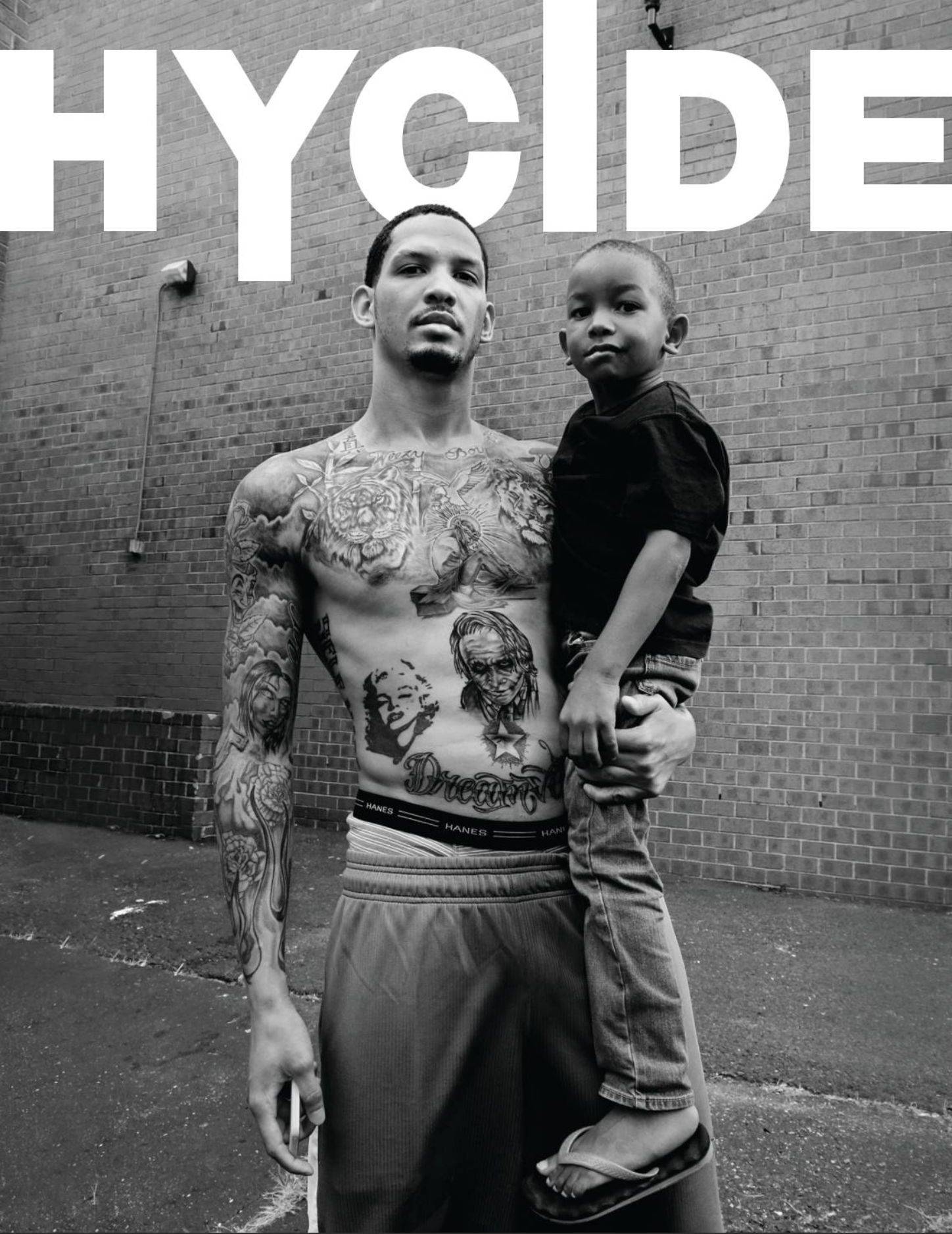


HYCIDE explores the roles we create for ourselves and those created for us, challenging the status quo while bearing witness to the feared, neglected and misunderstood.
Our Mission: Stories of survival and freedom. No judgment.
READ MORE FROM HYCIDE MAGAZINE
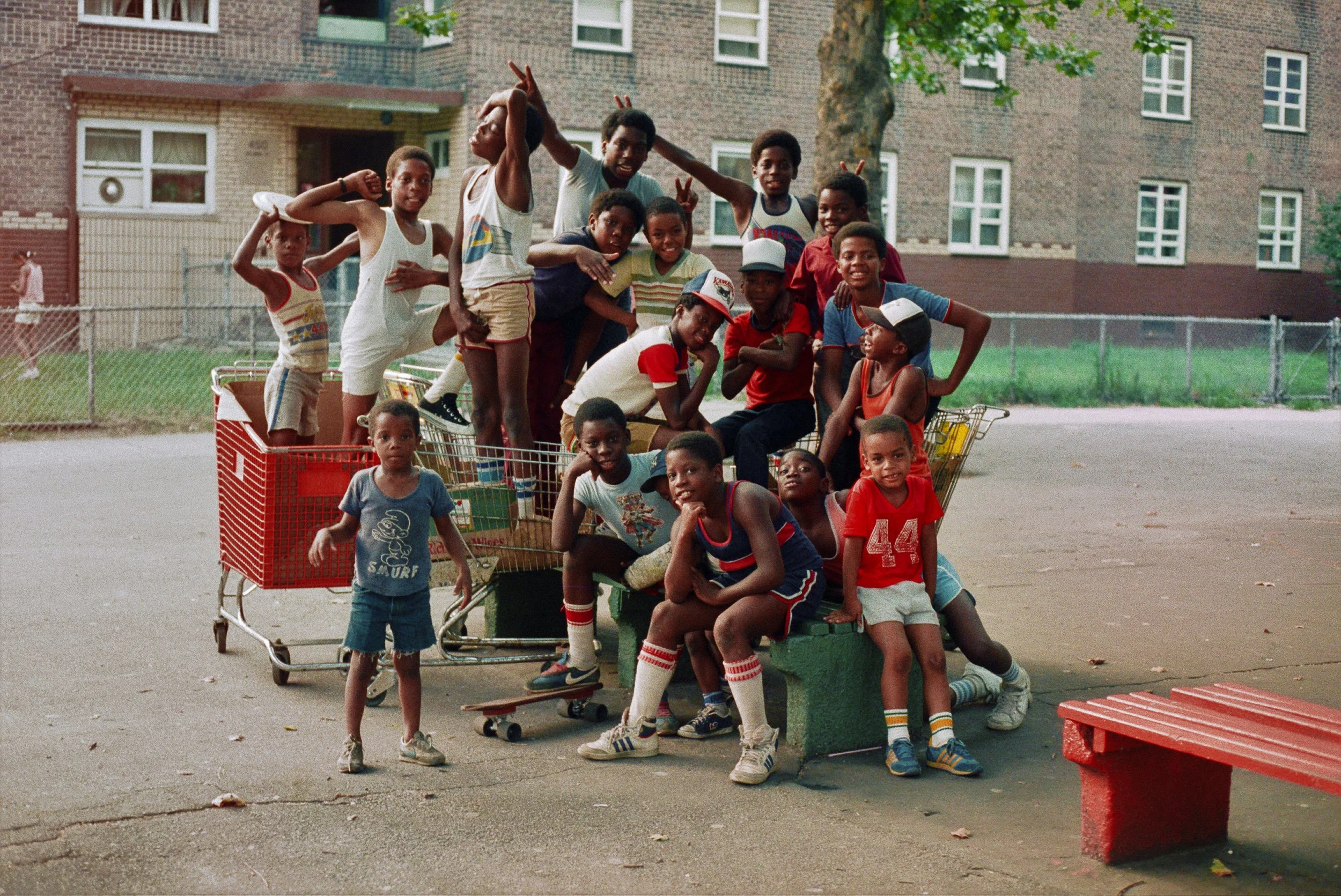
FORWARD EVER, BACKWARDS NEVER

BIKE LIFE
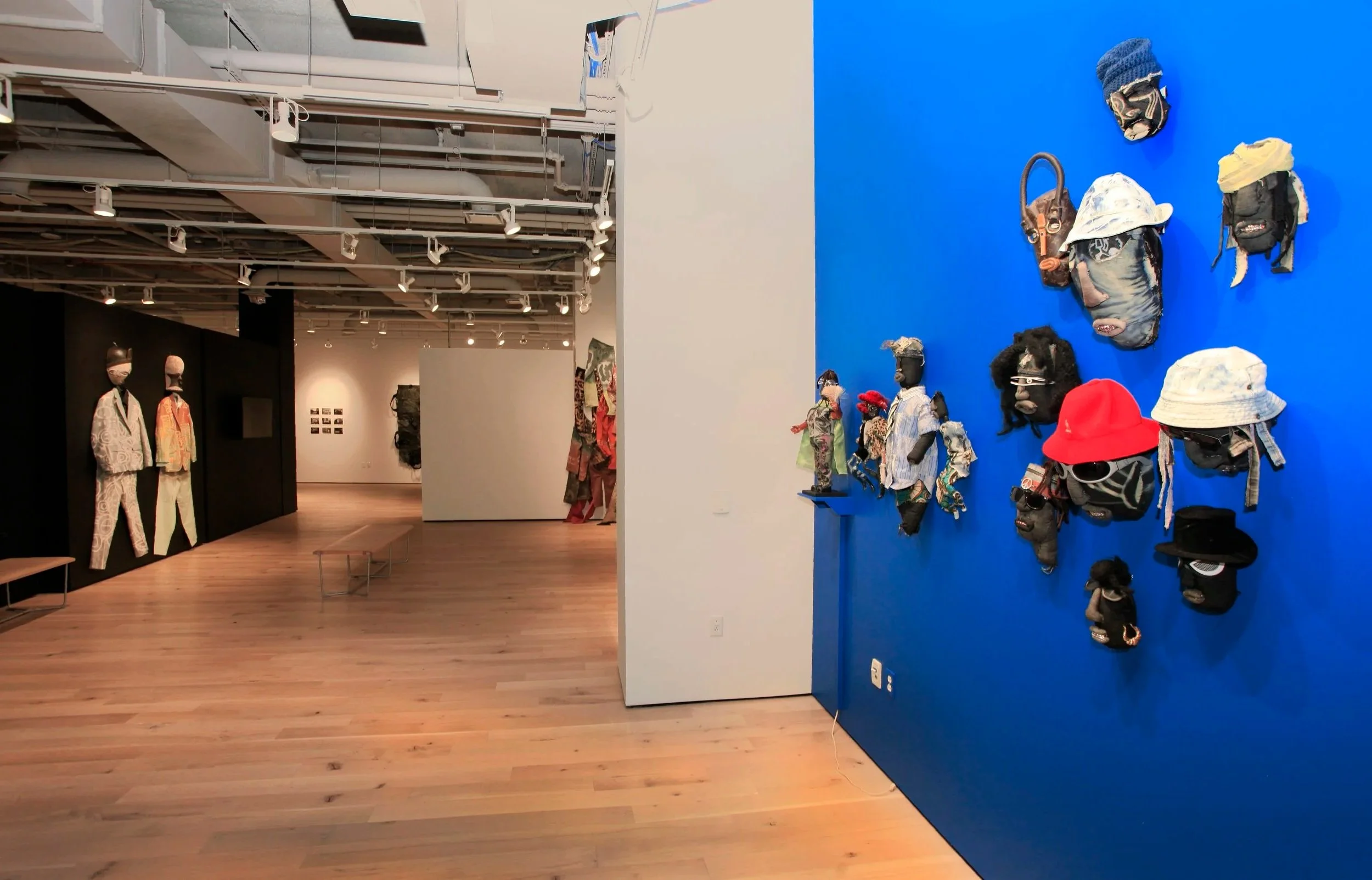
BULLETPROOF AMBITION
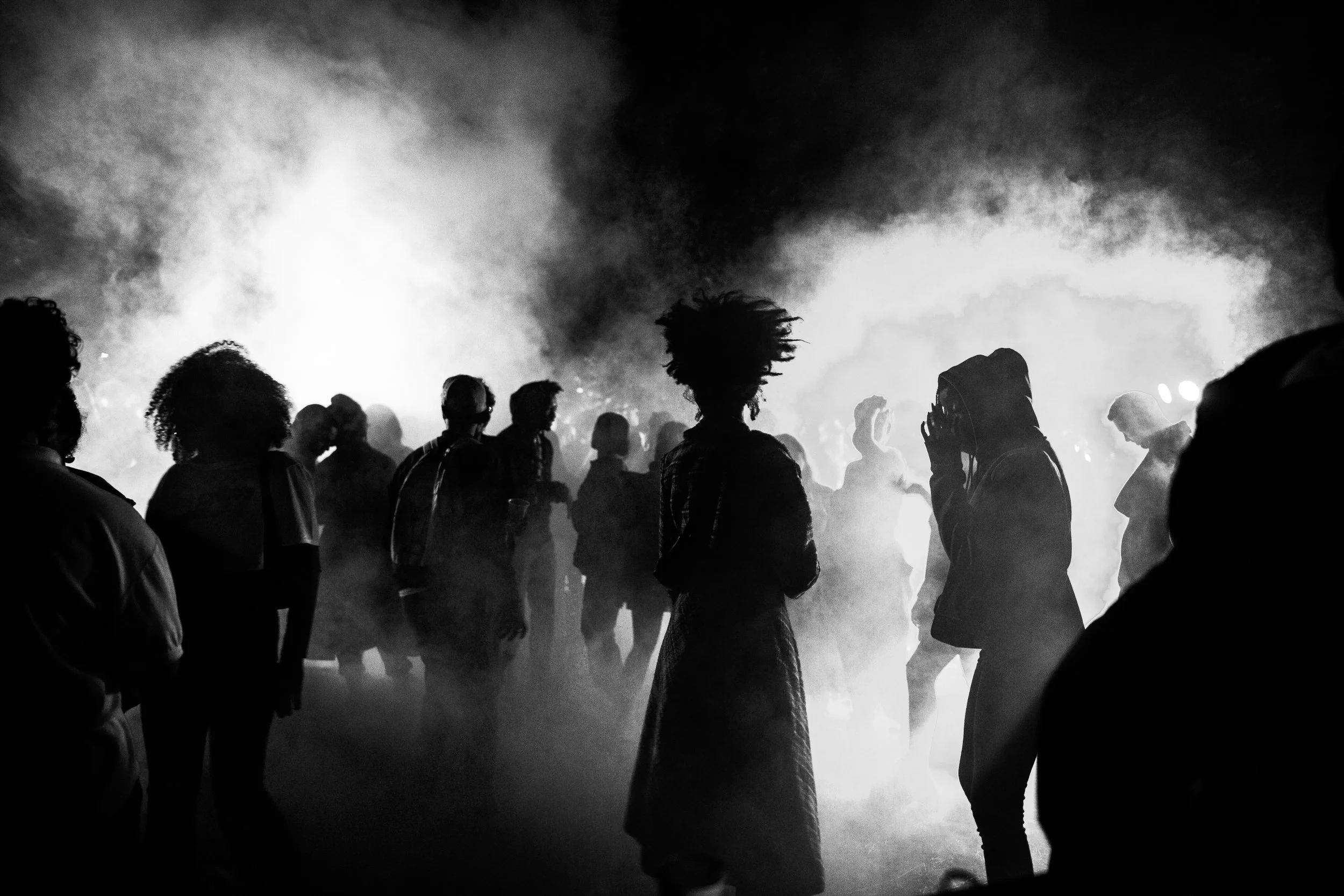
BLACK BERLIN
WHAT IS WHITE PRIVILEGE?
BROOKLYN BABY
HOW WE MOVE
NWA JENOSID
STILL STANDING
NEGRO REMOVAL
THE GOLDEN TRIANGLE
THE DIRTY
NIGHT CRAWLERS
BLOOD AND SOIL
STEEL & VELVET