
IN RETROSPECT: FORWARD EVER, BACKWARD NEVER
words and images by Jamel Shabazz
My inspiration for wanting to become a photographer was greatly influenced by my father, who was a professional photographer by trade. Growing up in a household surrounded by family photographs, along with images from the numerous photography publications my father had in his library, sparked my curiosity early on, way before I even picked up my first camera.
It was not until I was 15, though, that I actually started taking my own personal photographs. I lived in the Flatbush section of Brooklyn back then, and I mostly photographed my classmates from junior high school. Once I looked through the viewfinder and pressed the shutter button, I knew that photography was my destiny. Just having the ability to freeze time and motion and preserve a moment was a marvel to me.
As I grew into self-knowledge and realized my higher calling, I viewed photography as a tool that allowed me to connect with young people in the street — at a time when so many were dying at the hands of other young people. I went from just being an aspiring photographer to using photography as a form of street ministry to connect with and inspire the many people I met in my daily travels.
My objective was to use my voice to warn youth about the many obstacles and dangers they were facing. During this time, cities across America were contending with major crises: AIDS and the crack epidemic were ravaging families and leaving trails of death, addiction, and despair. At the same time, President Ronald Reagan enacted drug policies that, in essence, became a war on people of color, who were often demonized as both a national threat and the face of crime.
AIDS is now treatable and other drugs have replaced crack, if not its stigma. But the effects of both still linger and the problems in communities of color have not really improved. To a degree, we have gone backwards as a people. So my mission has not changed much, and now I am using my various social media platforms as a source of light and inspiration, with the potential to reach well over 150,000 people a day. My shooting style and approach have changed, too. Now I do more documentary photography versus the traditional street portraiture that I am best known for.
For many years, I was primarily classified as a hip-hop and style photographer, despite the fact that I had photographed jazz, R&B, and reggae artists – and that my work covers so many other genres of photography. However, there are countless hip-hop songs that serve as the perfect soundtracks to my photographs, especially “You Must Learn” and “Self Destruction,” — both by KRS One and “The Message,” by Grand Master Flash & the Furious 5. But the song that truly reflects my heart and mission — the song that has been my anthem — is “Umi Says,” by Yasiin Bey (formerly known as Mos Def). In addition to those particular tracks and artists, Public Enemy, Pete Rock and CL Smooth, Eric B and Rakim, and Gang Starr all speak to my personal vision. Being categorized as a hip- hop photographer has benefited me over the years, as my work has been included in countless books and exhibitions that specifically focus on hip-hop. But the downside is the limitations placed on me. I have been passed over for photography opportunities because folks think that I can only do one style of photography.
I would never say that my work is political, as that is all a matter of one’s opinion. However, there are a wide range of political issues that I address in certain aspects of my work, from presidential elections, police brutality, and anti-war protests, to homelessness and mental illness. As a conscious artist with a substantial following, I do feel a responsibility to use my craft to document and address matters that concern me. I was introduced to the Harlem Renaissance and the Black Arts Movement in the late 1970s, while researching various movements and political organizations. I learned about the role of socially conscious Black artists — such as Amiri Baraka, Sonia Sanchez, Nikki Giovanni, and Haki Madhubuti — and how they used poetry, literature, music, theater, and visual art to address a wide range of issues impacting the Black community.
I also grew into a deeper consciousness while listening to the protest music of the ‘60s and ‘70s. Groups like The Temptations, whose 1970 song “Ball of Confusion” addressed the climate of America at that time. Marvin Gaye was unwavering when he decided in 1971 to release the “What’s Going On” album, which not only addressed the problems facing America but also those of the larger world.
Legendary songwriters Kenny Gamble and Leon Huff created songs that not only spoke about love but also the uphill struggle of Black people in America. It is important for me to share this, because it played such a huge role in my personal growth and development as an artist. I felt the need to pick up the baton and continue to use my art as a tool to address a host of problems that were facing the Black community. In essence, my work is a continuation of those movements, and since first stepping into the art world, I have used my vision to showcase images that reflected, not only Black Love, but love in general. It is imperative that I present images that counter negative narratives and stereotypes that are pervasive throughout our communities. Gordon Parks talked about the camera being a weapon to fight against the things he despised. I want to mirror that, using my camera to fight against issues that are damaging to us as a people. When exhibition opportunities come my way, I make it a point to show photographs that reflect love, unity, family, and reality – much like W.E.B Du Bois did in 1900 for the Paris Photo Expo. He came up with an idea to exhibit photographs of Black communities throughout America, highlighting, honor, dignity, and accomplishment. His purpose was to show positive images at a time when photos of Black people were largely demeaning and stereotypical, fostering hatred and discrimination. The exhibition went on to be a major success, drawing thousands, who saw another side of Black men and women of America.
I am duty-bound to continue in the light of the great visionaries who preceded me, to use our craft to combat hatred and bias.
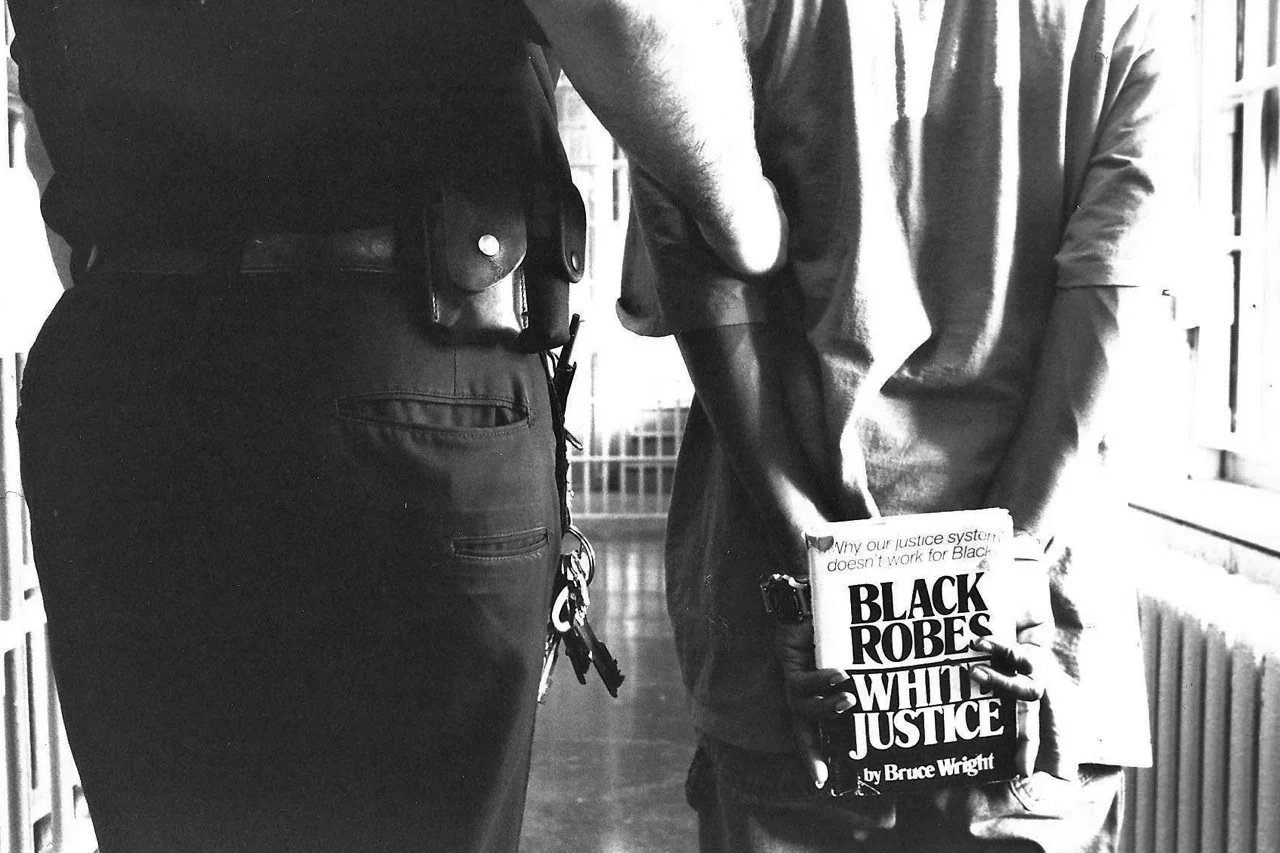
When I started working at Rikers Island in 1983, I was struck by the exceedingly high number of Black and Brown young men between the ages of 16 to 21 being held as detainees, awaiting trial. The majority of them could not afford bail, so they were confined under extremely harsh and violent circumstances until they faced a judge. It was a very dangerous environment, which brought out the worst in some officers and the detainee population. There were stabbings, slashings, and robberies taking place every day, and the weak were preyed upon and extorted; in many cases, they were made into servants relegated to washing others’ clothes. For a number of these young men, suicide was their only escape. They took their own lives rather than be subjected to such a hateful atmosphere.
Rikers Island was a living hell. As a young officer in my early 20s, I went on that job with a clear mission to be a light and save as many young people as I could. It was very challenging, but despite all the obstacles and hatred,
I was unwavering in my attempt to make a difference. There were some really bad days, but the
good ones outweighed them.
Over the years, a number of young men who were under my care have written letters informing me of the impact I had on their lives. Messages like these give me a sense of inner peace. However, it pains me to this very day when
I think of the lives I could not save.
As I look toward the future, I’m focusing on creating more new and thought-provoking projects. My newest book, “Jamel Shabazz: Albums,” was released in March 2023. This publication is the result of a book award I received from the Gordon Parks Foundation and Steidl Publishers. This one-of-a kind book consists of many of my original photo albums I used to carry around with me, dating back to the mid-1970s to 1995. Unlike my previous books, a lot of scholarship went into this one. Professor Deborah Willis, Leslie Wilson, and Nelson George are just a few of the writers who contributed to the text.
I am also determined to start pushing a couple of my film ideas to some of the major television networks. There is a serious void of good films about the 1970s and ‘80s, and over the years, I have developed insightful stories that not only speak to my generation, but also serve as a great source of information for the current generation. Like Gordon Parks, who started out as a photographer and went on to produce films, I too,
am determined to do the same.
I know that I can create content that will showcase dramas that are uplifting and counter the negative, repetitive films that are constantly produced. Now more than ever, these types of films are needed.


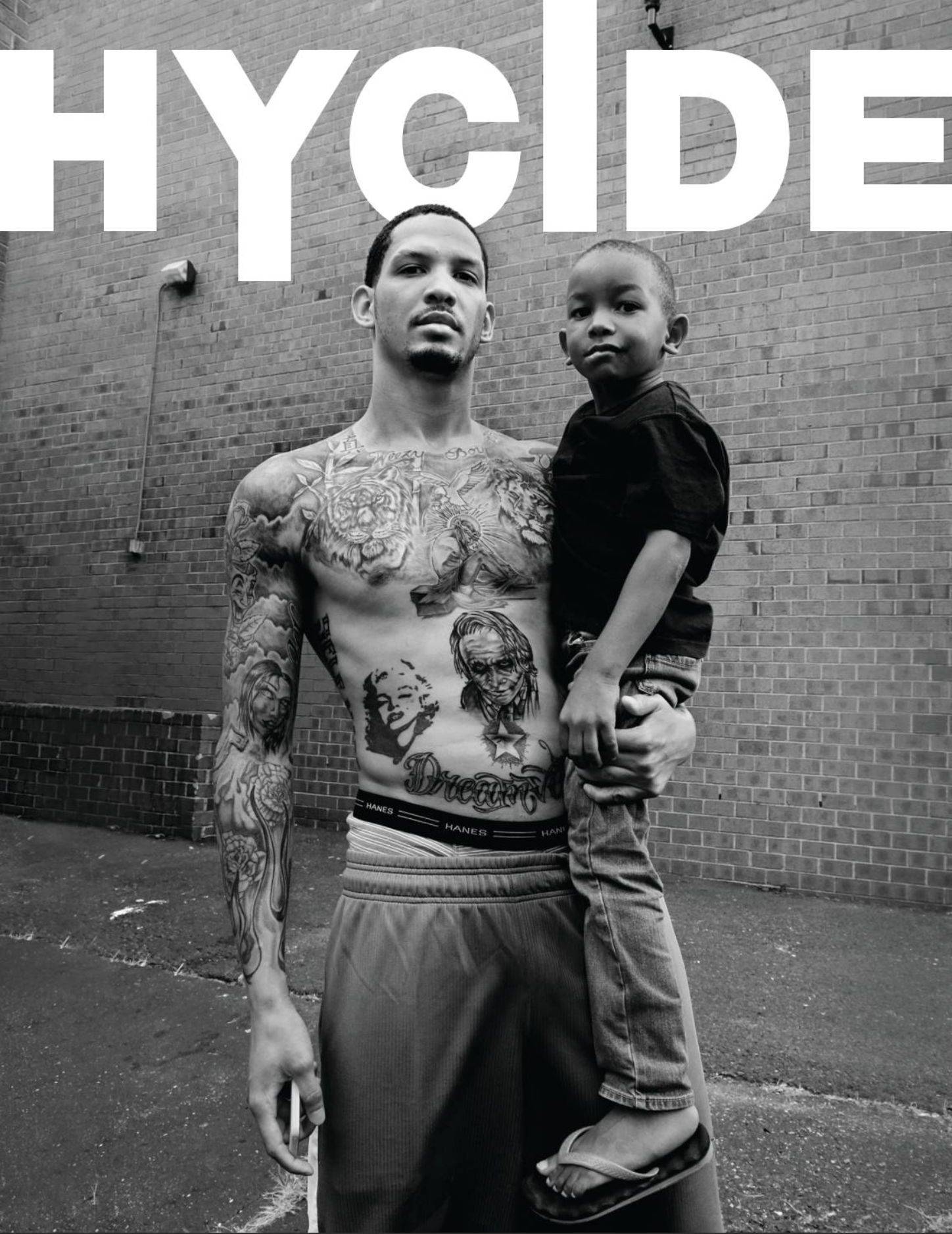


HYCIDE explores the roles we create for ourselves and those created for us, challenging the status quo while bearing witness to the feared, neglected and misunderstood.
Our Mission: Stories of survival and freedom. No judgment.
READ MORE FROM HYCIDE MAGAZINE
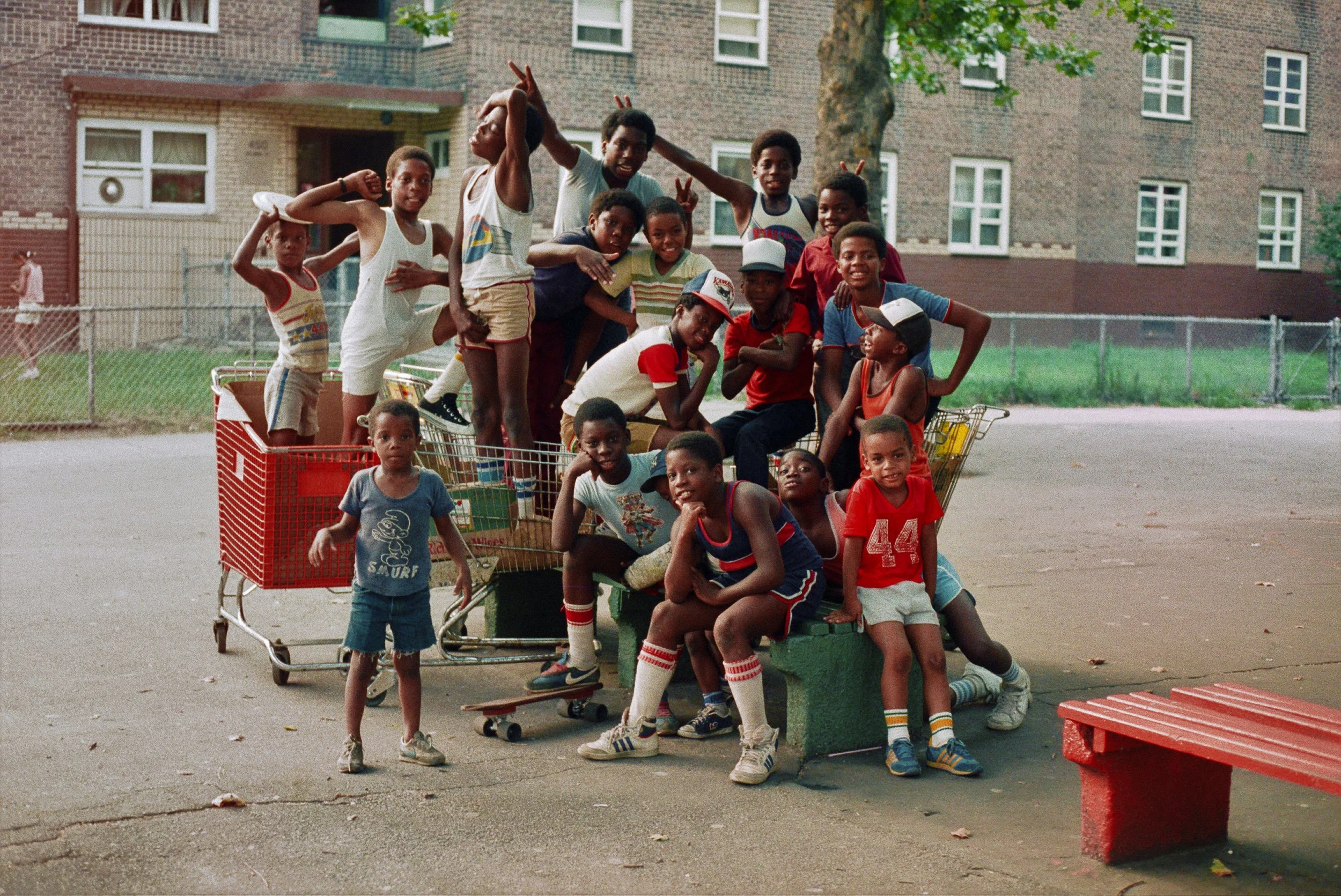
FORWARD EVER, BACKWARD NEVER

BIKE LIFE
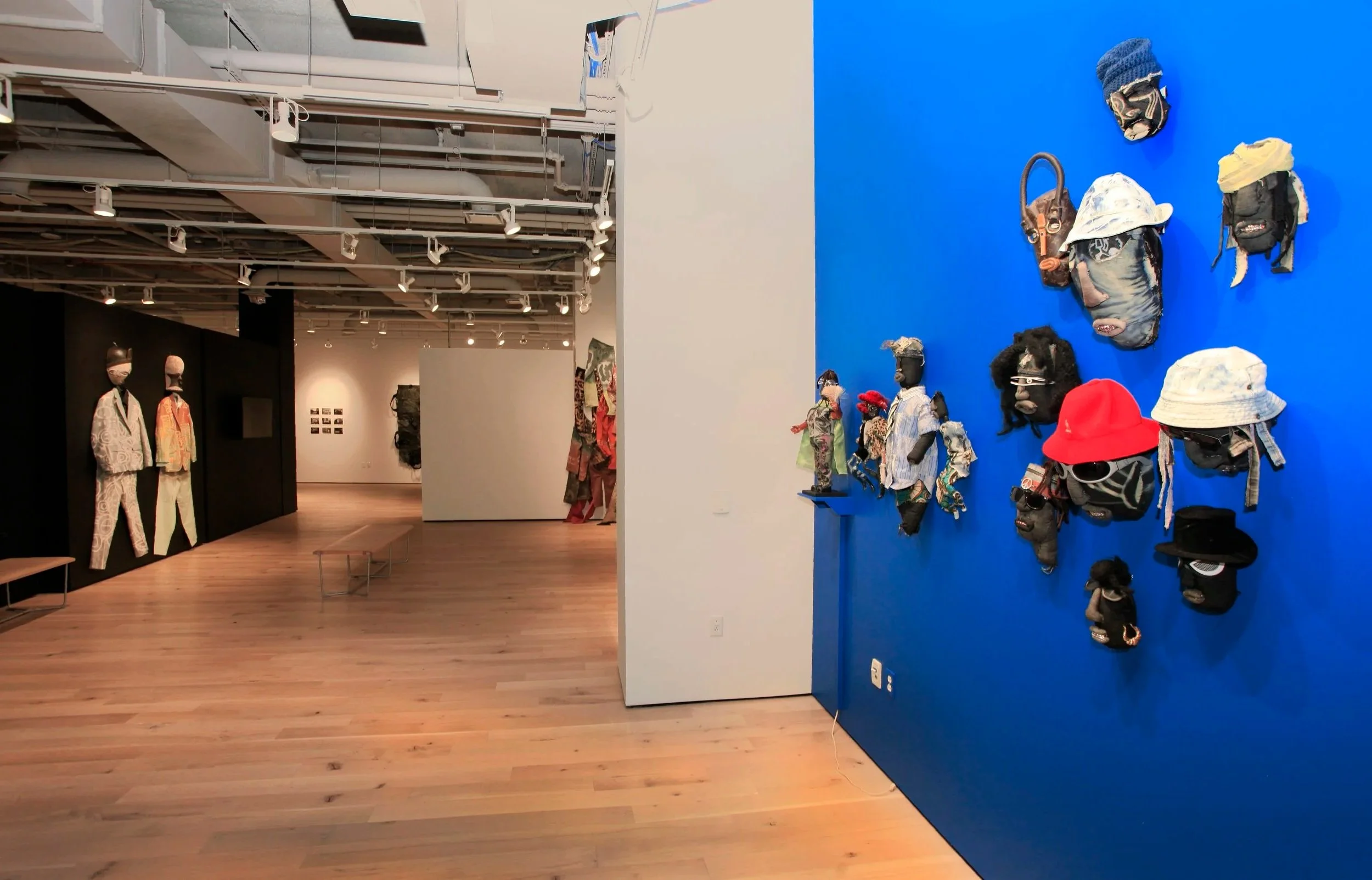
BULLETPROOF AMBITION
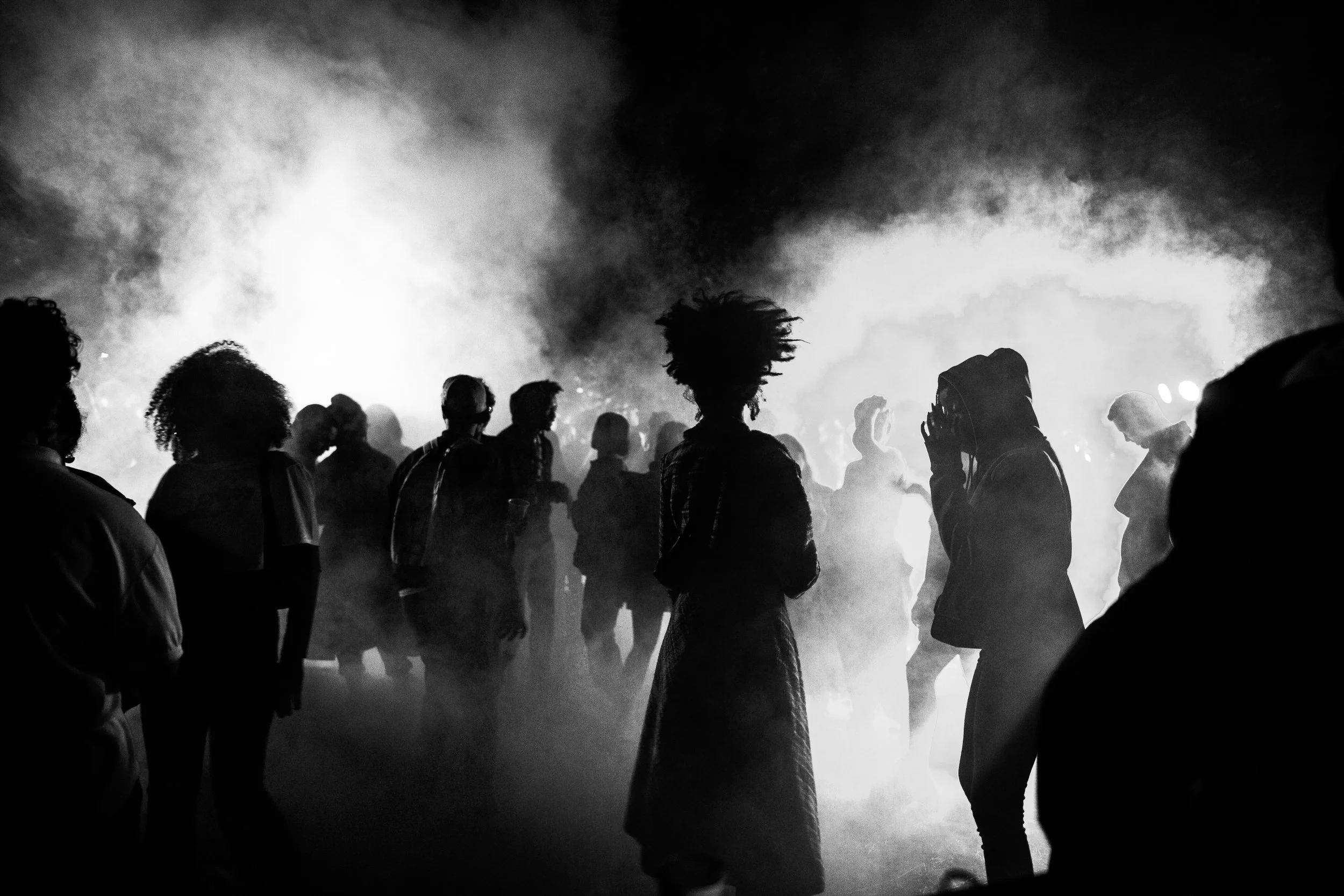
BLACK BERLIN
WHAT IS WHITE PRIVILEGE?
BROOKLYN BABY
HOW WE MOVE
NWA JENOSID
STILL STANDING
NEGRO REMOVAL
THE GOLDEN TRIANGLE

THE DIRTY
NIGHT CRAWLERS
BLOOD AND SOIL
STEEL & VELVET