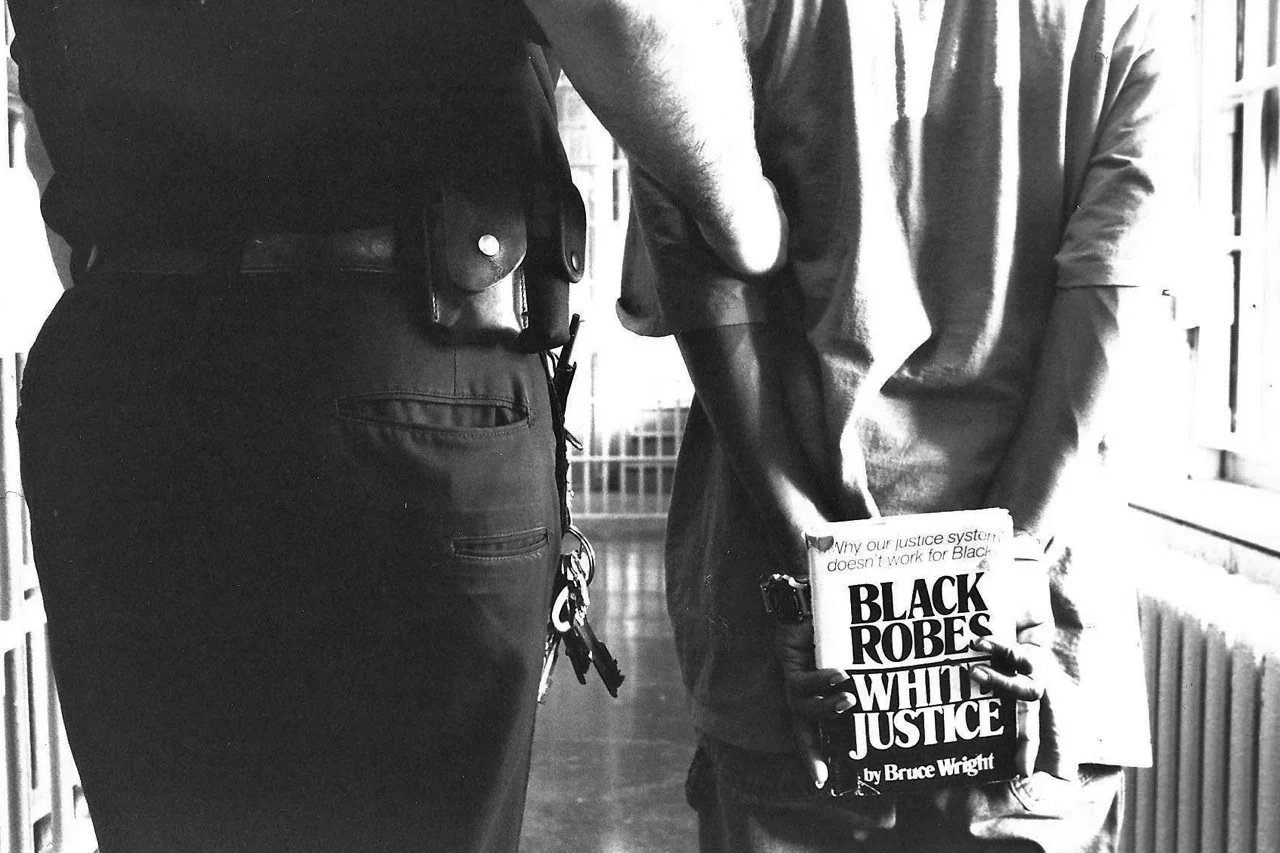

STEEL & VELVET: AKINTOLA HANIF AND JAMEL SHABAZZ
Words by fayemi shakur
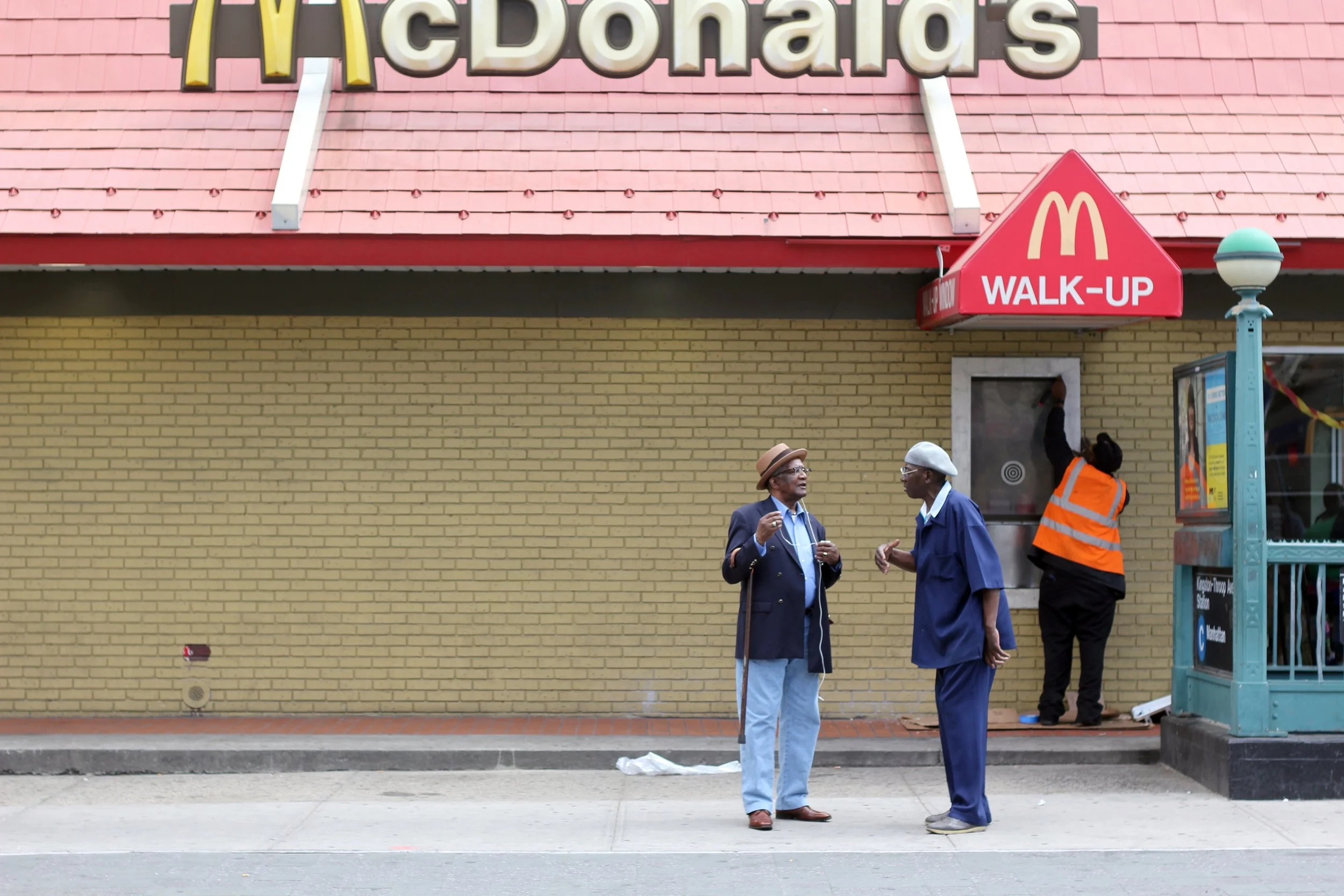
“When I first saw ‘Back in The Days’ on a shelf at Scrap Yard, a graffiti based memorabilia store in Soho, I had never heard of Jamel Shabazz or purchased a photography book before. Immediately, I picked it up, skimmed through it, and bought it. That book changed my life and career path. It made me believe in the power of documentary portraiture. Jamel and I were introduced shortly after at his ‘Three the Hard Way’ exhibit with Joe Conzo and Ernie Paniccioli in 2005. Since then, Jamel has been the single largest influence in my life and career—as a man and artist.” - Akintola Hanif
fayemi shakur: What is the point/goal of your work as an artist and as a man?
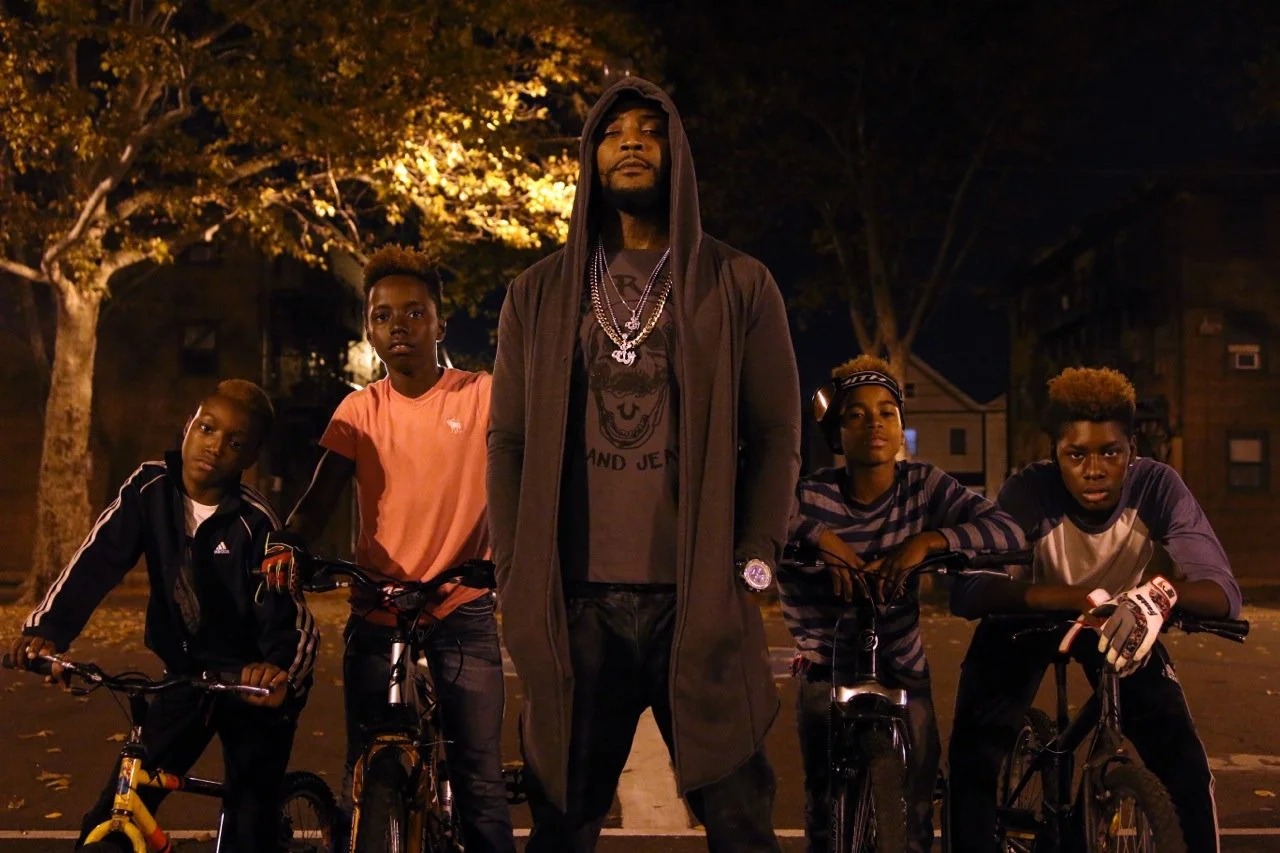
Akintola Hanif: The goal of my work is to show the world how beautiful, diverse, and ingenious we are as a people and to inspire my subjects to see the beauty and potential within themselves. Ultimately I want to start a foundation that helps young people identify their creative interests and helps them cultivate those interests in the pursuit of alternative career options. Also to light a path for my Sun so he doesn’t have to make all the mistakes I did to rise to his full potential and live his dreams.
Jamel Shabazz: My goal as an artist is to contribute to the preservation of world history and to inspire young visionaries around the globe through my work. As a man, my goal is to be a strong provider and protector for my family and a mentor to the youth.
fs: Why have you focused on the inner city and “underdogs” so heavily in your work?
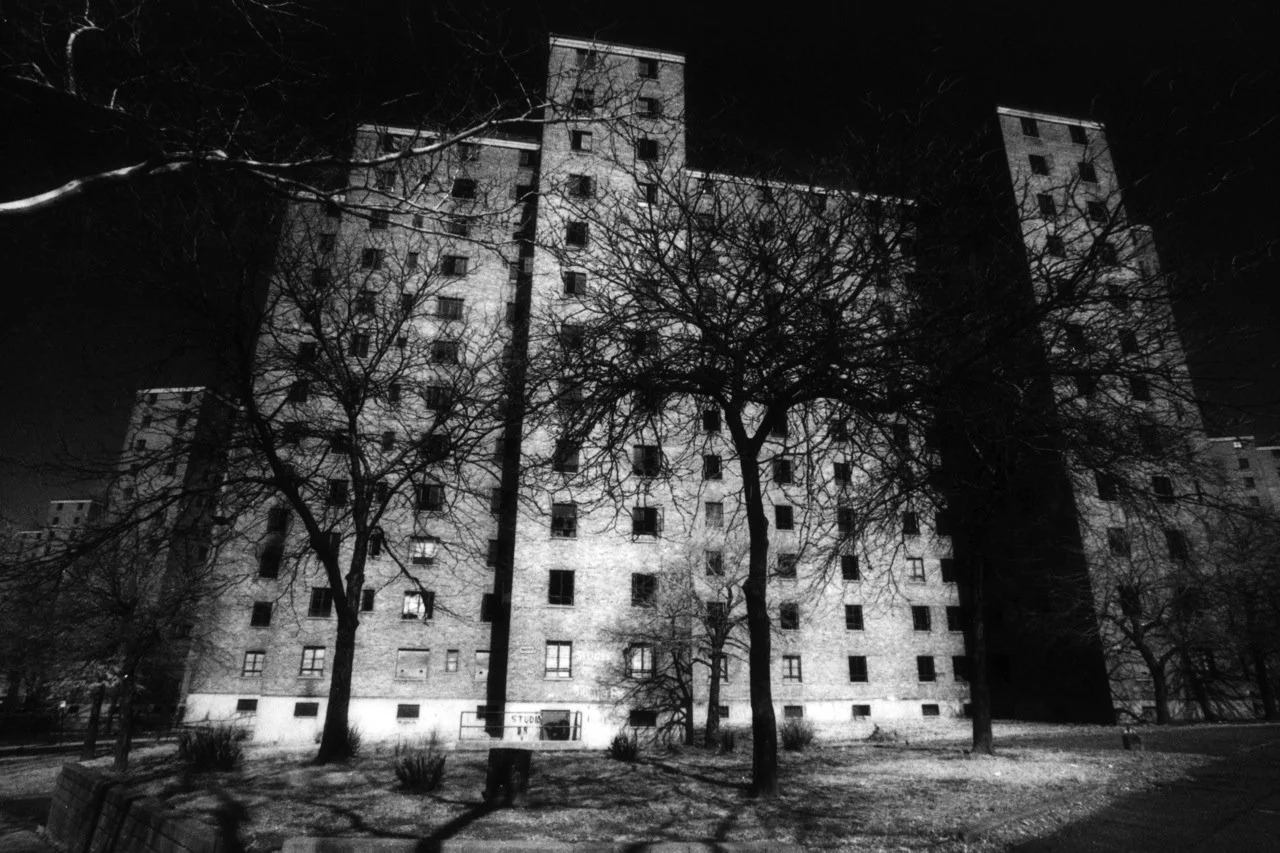
AH: I focus on the inner city because that’s where I’ve lived for the last 30 years of my life. My work is a reflection of what I’m surrounded by, a reminder of the things that people want to forget or overlook. I don’t see the people I focus on as underdogs. Some people may call them that, though. A lot of my most valuable life lessons have been learned in the inner city and from people that are considered underdogs. My work represents where I come from and where my wisdom and understanding were born. Besides that I just have an innate connection to these people because I am these people.
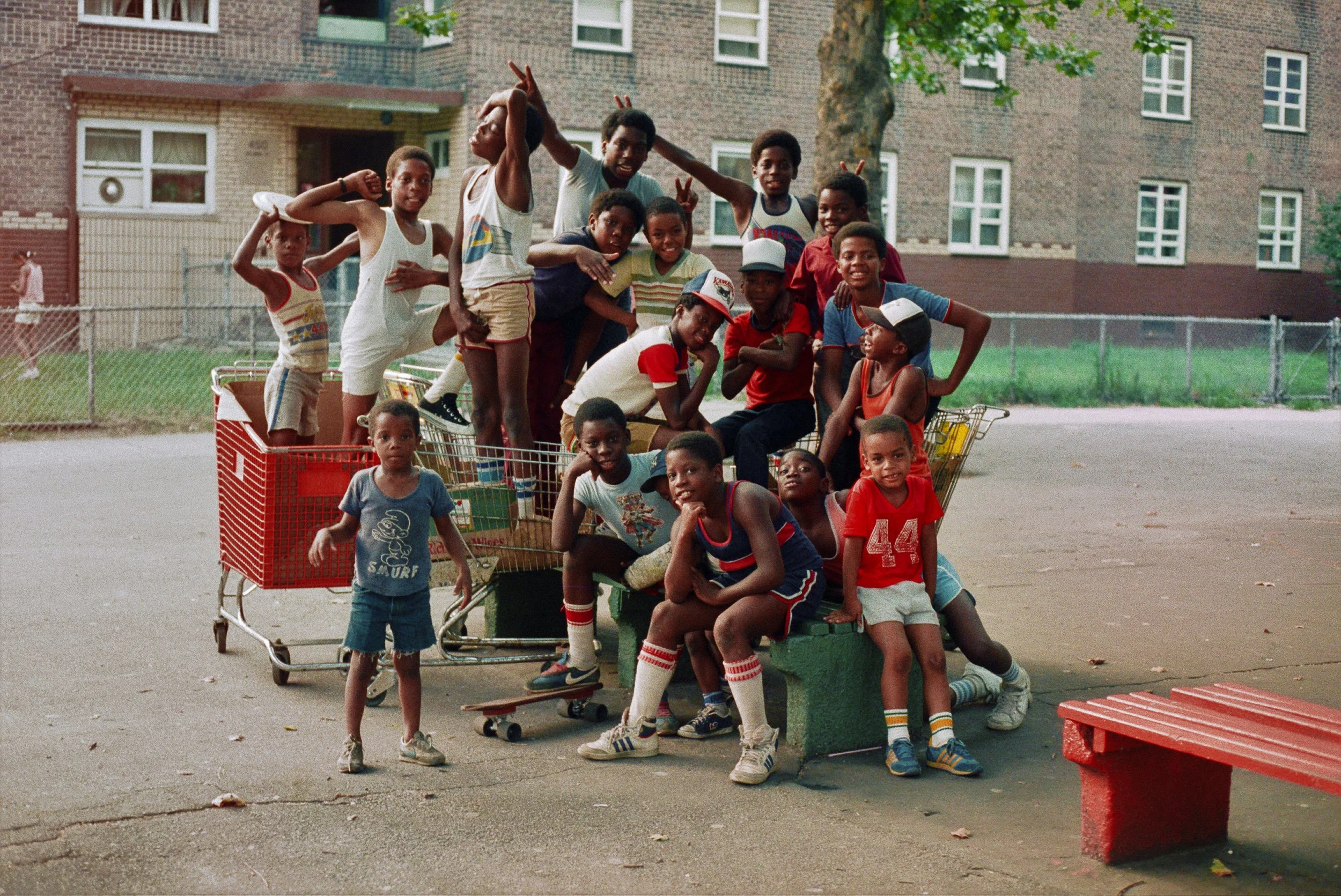
JS: I really can’t say that my work focuses heavily on just inner cities and underdogs. My earlier work from the ‘70s and early ‘80s was primarily images I made in predominately African American and Latino communities within New York City; mainly because they were my people/peers that I grew up with and had a clear understanding of the culture. As far as my subjects being underdogs, I never viewed them in that light. I saw them as important contributors to society that may have been invisible to some, but to me there was greatness and potential in all of them. From the late ‘80s to the present, I have been very fortunate to have traveled to many cities throughout America and abroad. This has afforded me the opportunity to document various situations; from people to landscapes, old and young, the rich and the poor, of various hues. So after many years in the trenches I can finally say that my work is universal.
fs:Jamel, you have said that in today's world a person needs to be of both steel and velvet. Share your thoughts on that viewpoint and the importance of that kind of duality both as an artist and as an individual.
JS: Regarding the issue of steel and velvet: for me those two attributes represent my daily struggle to maintain inner balance. Sadly, we live in a world where we are constantly being challenged. Some could call it spiritual warfare, where in order to survive these daily battles you have to embellish a warrior’s spirit, and if you don’t, you will be a casualty. Back in the days I would carry two pocket-sized books with me, the Art of War by Sun Tzu and The Art of Peace by Morihei Ueshiba and I would always strive to lean more toward the art of peace. However, certain circumstances would develop that would force me into war mode, which unfortunately is still the case today. So when I speak of steel and velvet, I am referring to my daily struggle to remain steadfast, humble, and ready to meet and overcome all obstacles in my path.
AK: I’ve learned that most people come from a place of ego. Whether they’re overly-egotistical or hyper-sensitive, I try to gauge which kind of person I am dealing with and operate from a place of understanding. It’s basically about meeting people where they’re at. As an artist it’s important to know your audience and your subject matter thoroughly so that your objectives are accomplished while at all costs staying true to your vision. As men, we live in a hyper-violent and reactionary time and we have to know when to stand up and when to fall back so we don’t fuck around and get ourselves killed, fired or get in our own way by burning bridges, etc. An ounce of prevention beats a pound of cure.
For the full interview purchase HYCIDE IN PRINT. You can learn more about Jamel Shabazz from the new documentary "Jamel Shabazz, Street Photographer,'' by "Wild Style'' director Charlie Ahearn.
HYCIDE explores the roles we create for ourselves and those created for us, challenging the status quo while bearing witness to the feared, neglected and misunderstood.
Our Mission: Stories of survival and freedom. No judgment.
READ MORE FROM HYCIDE MAGAZINE