
PALACES INTRIGUE

Words by Carrie Stetler | Images by Manuel Acevedo

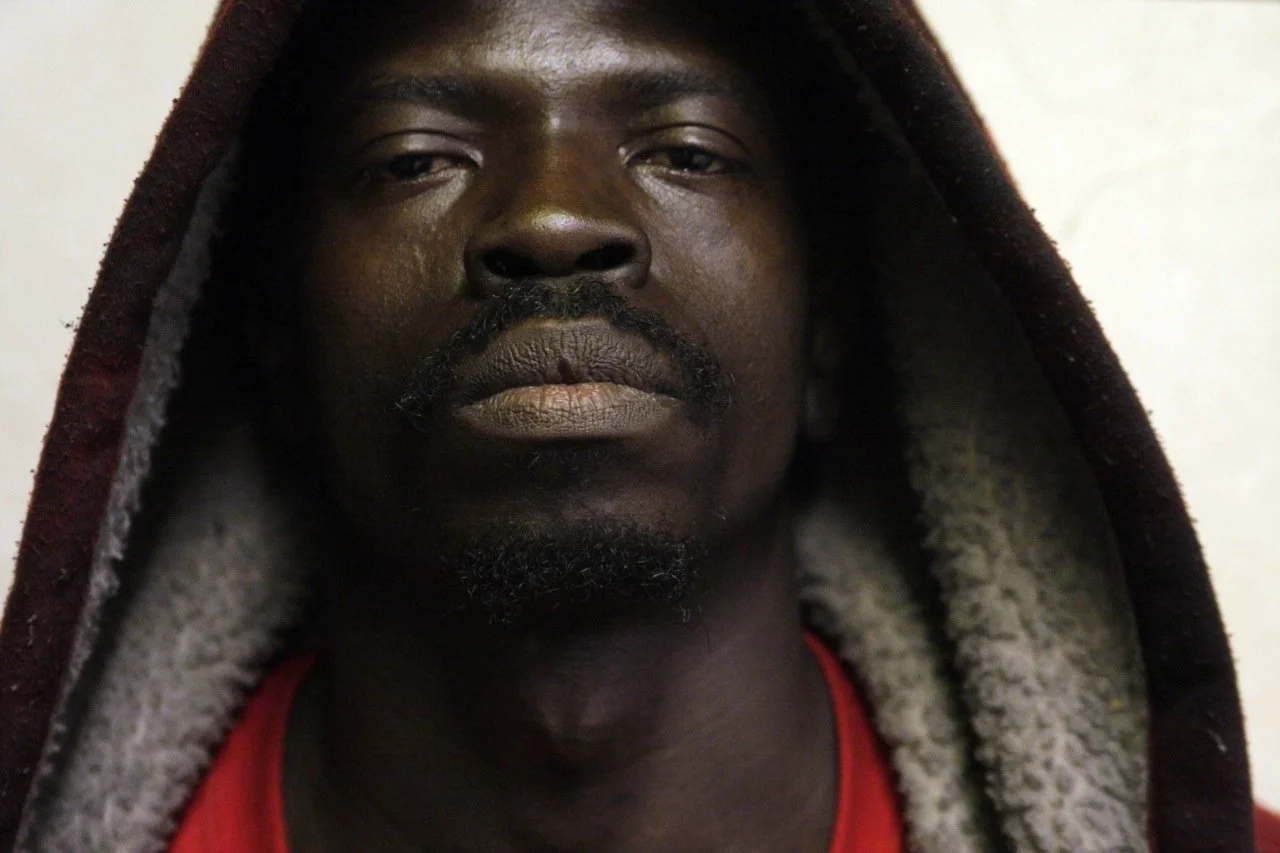
Newarkers didn’t always trust Manuel Acevedo when he stopped to take their picture on the street. He was a long-haired 19-year-old in sandals. And on some blocks, Boricuas (Puerto Ricans) like Acevedo weren’t welcome. To put them at ease, he showed them an album filled with black and white images of other locals. If they said yes, their own photos were added to the book. “It was really important. When I got into situations, mostly males, would be like ‘what the fuck are you doing?’ And I’d say, ‘no no. here.’ I’d take it out and put it in their hands and most people would determine whether they wanted to participate,’’ recalls Acevedo, who grew up in Newark. “There had to be a conversation. A certain amount of intimacy had to happen. I couldn’t get the shot right away.’’

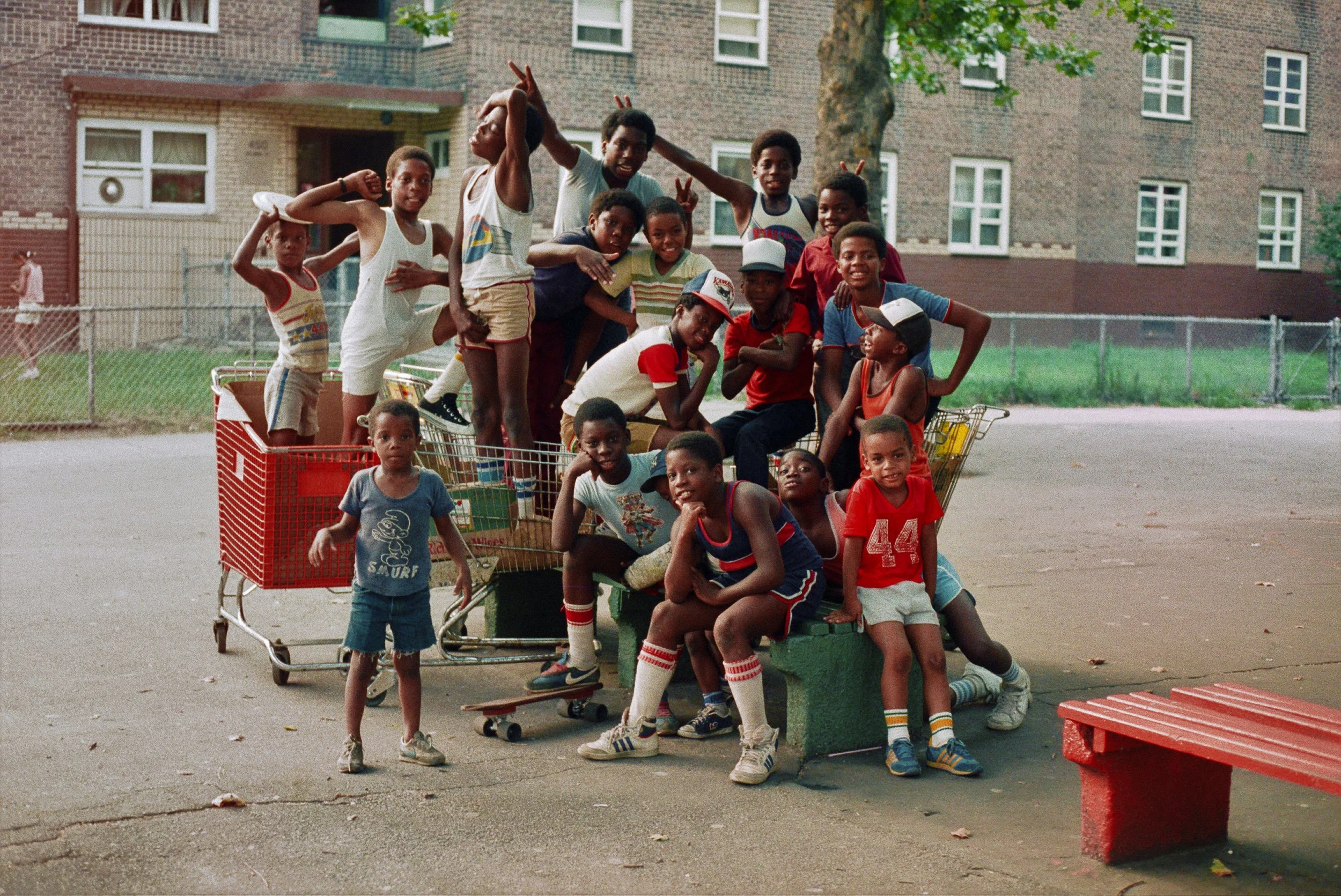
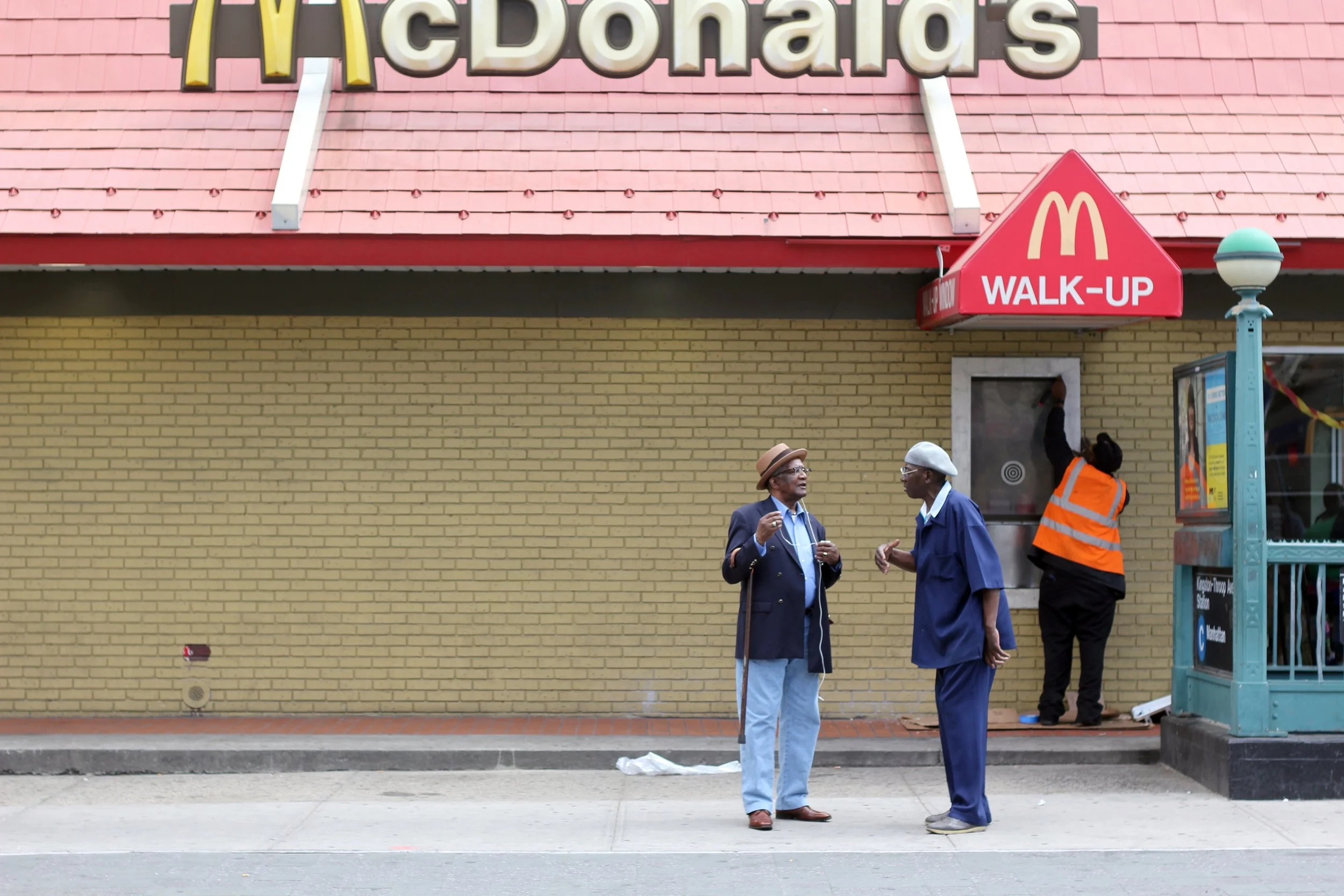
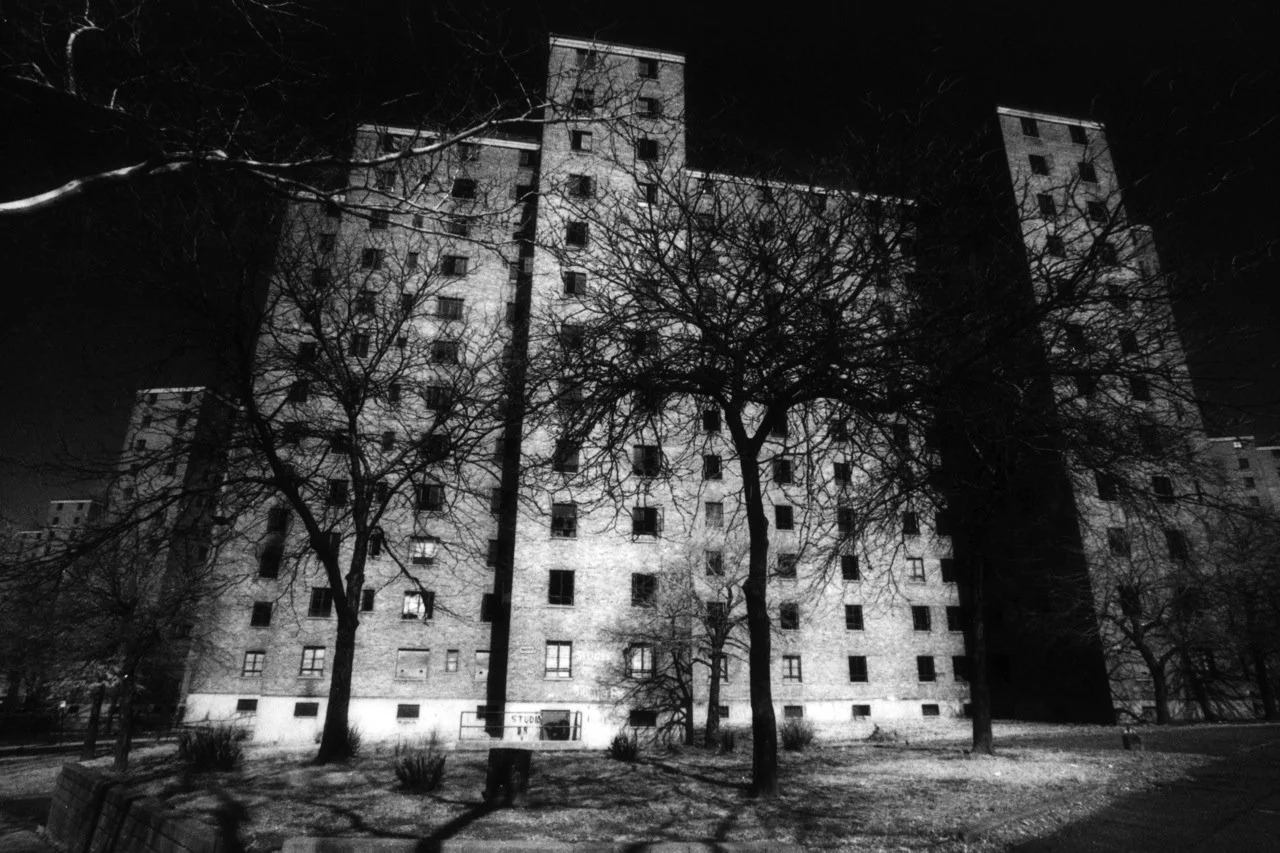
In “The Wards of Newark, 1982 to 1987,’’ Acevedo spent years photographing a cross section of city residents: drug addicts, hustlers, graffiti artists, politicians, parents, children, the homeless, drag queens and senior citizens in the mostly Italian North Ward. At the time, Acevedo--who went on to win international acclaim--was a freelance photographer for the Newark municipal council and officials were promoting Newark as “the renaissance city.’’ It was an effort to shed the stigma of Newark’s 1967 riots, which damaged the city’s economy and reputation for decades. Once a thriving industrial town, Newark’s industries, like its breweries and factories, were in the midst of shutting down and smaller businesses were moving out.

“There was this real big push for Newark to rebrand itself. So it branded itself as the the renaissance city. Ironically enough, it was filled with projects that were never finished, like the Renaissance Mall. Inside there was an escalator going nowhere. Those are the things that left a big impression with me,’’ says Acevedo, 48, who now lives in the Bronx. Politicians used Acevedo’s photos to support their PR efforts, but his street photography told a different story. “It was social commentary,’’ he says. “You knew you were in a place that had suffered a lot of trauma. You could see the aftermath, feel it in the psychology of the landscape, the way people interacted with each other. The images tell you a lot about that time and place.”

Acevedo wanted to capture scenes from Newark’s every day life, from multiple points of view. But his approach wasn’t entirely documentary. “I was interested in the idea that a situation can reveal these kinds of moments that are unique or special. It’s almost like an ephemeral quality of light, how light can change things very quickly. You can be in the same place at the same time two days in a row and get a different feel or effect, or find circumstances that are different." Some photos are unsettling and dreamlike, with subjects who look distrustful and shellshocked. Others display an almost childlike degree of openness. One of his favorite shots was taken in the aftermath of a Newark anti-crack rally. A girl holds a rolled up program to her lips, reminding Acevedo of the famous “Spirit of ’76’’ painting.

“Crack hit Newark so hard. There were all these uprisings. People were like, ‘we have to stop this.’ This was at the end of a protest, and there was this moment. It seemed like everyone was in their own space. It made me think of that patriotic scene of the man with the flute, after a battle,’’ he says.

At the time, Acevedo, who was involved in Newark’s graffiti art movement, also took photos of his artist friends and mentors in the studio/living space of an artist named Jstarr. “That room was like being in a time warp,’’ he remembers. “You only thought about certain things when you were there: music, ideas about making art, black books, outlines. It was a big part of that culture."

Acevedo garnered much acclaim after his Newark series, including a write-up in the New York Times, but much of his other later work is a radical departure from the street photography of “The Wards of Newark.’’ For one project, Acevedo worked with Cleveland residents to transform rooms into camera obscuras. He has also incorporated drawing and time lapse video into his work. For Acevedo, even his Newark photos are not just images, but artifacts, and he rarely displays them apart from the photo album. “To me, it looks like a well-worn Bible because of the hundreds of hands that flipped through it,’’ he says.

Buy HYCIDE in print
HYCIDE cover
HYCIDE cover
HYCIDE cover
HYCIDE cover
HYCIDE cover
HYCIDE cover
HYCIDE cover
HYCIDE cover
HYCIDE cover
HYCIDE cover

HYCIDE explores the roles we create for ourselves and those created for us, challenging the status quo while bearing witness to the feared, neglected and misunderstood.

Our Mission: Stories of survival and freedom. No judgment.

    READ MORE FROM HYCIDE MAGAZINE