
TE SIENTO [I FEEL YOU]

Words and images by Akintola Hanif

On the plane to Puerto Rico, I had visions of a tropical paradise filled with beautiful people with golden tans and shiny black hair.

Then I started talking to the man sitting next to me. He warned me not to trust anybody based on how they looked and whatever I did, not to go to La Perla, a notorious ghetto outside of Old San Juan. He told me "the people there will rob you” and “outsiders aren’t welcome.” I took what he was saying into consideration and added La Perla to my to do list.

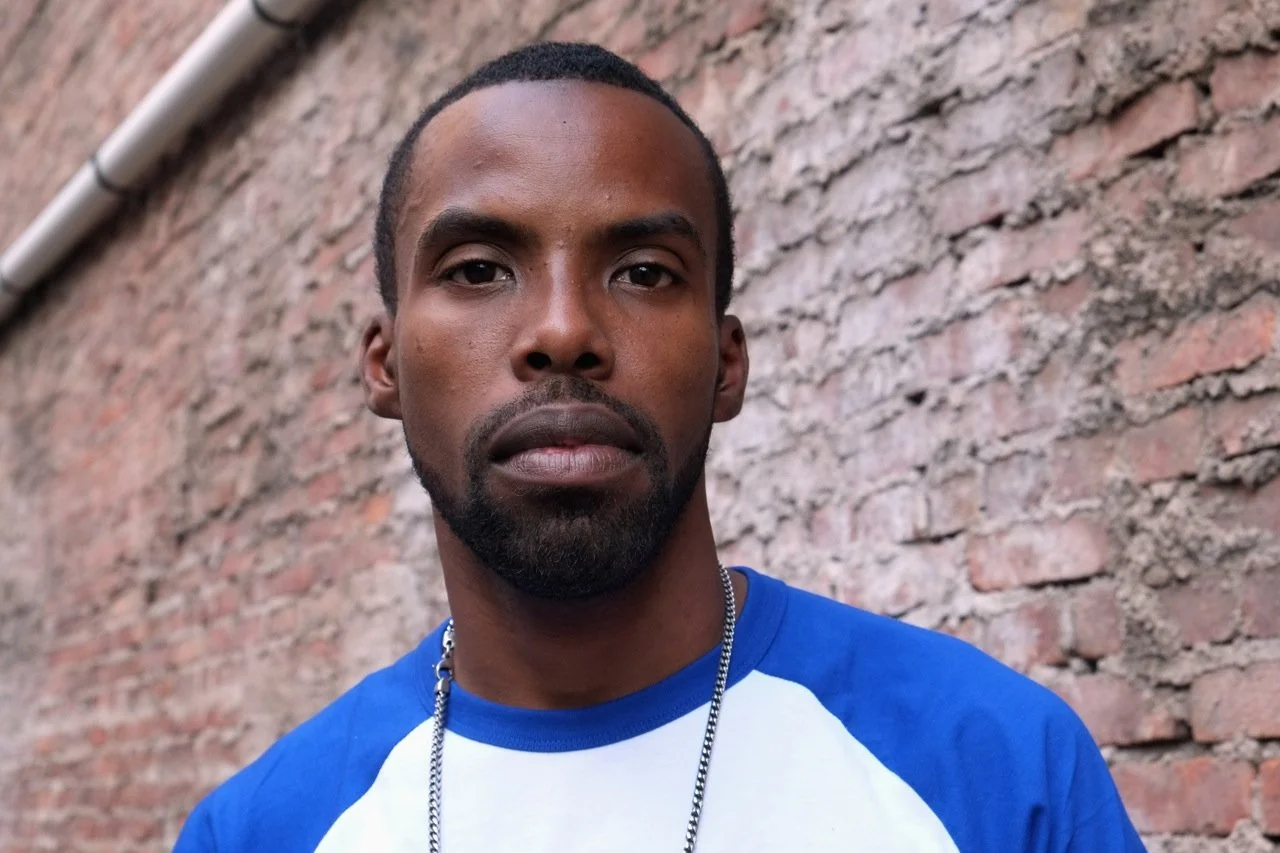
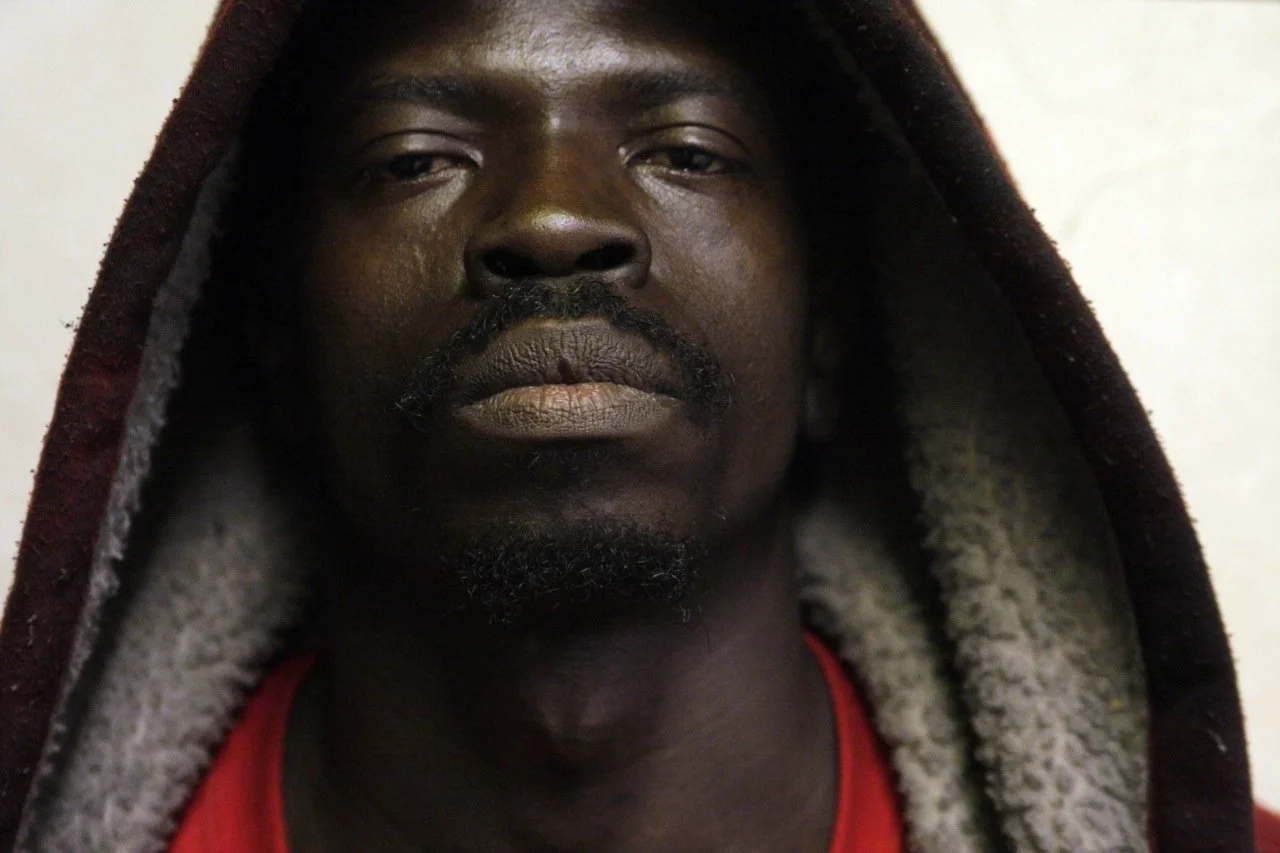
Once I landed and got settled I decided to just walk around Old San Juan. I wasn’t impressed. It was all “touristy:” Louis Vuitton, YSL shops and more of the same things I see here. I had to find the hood. What I was surprised to see was the amount of homeless people on the streets. Only ten minutes from the hotel, I found my first subject: a homeless white man from Baltimore sitting on the street reading as he calmly asked for money. On the next block, my second subject: a homeless Puerto Rican man cried as he begged for change. I wiped my camera lens, shot him and a few more people on the street and wrapped up for the day.

The next day, my Facebook-found tour guide took me to Paseo, Conde, a poor but beautifully kept community of colorful houses. Floods the previous year caused many of the residents to lose their homes and this is where they were displaced. Everyone welcomed me here and was open to being photographed, except one little boy who told me no. About a half hour later he walked past again and threatened me, saying, “You heard what I said. Go ahead and try to take my picture.” This made my day. He was only like six-years-old and was not playing with me – at all. As I moved through the rest of the buildings, I photographed elders, kids, women, men and babies. It was a beautiful community but not exactly what I had envisioned. Still, I was grateful for the access so I photographed the remainder of the community, packed up my stuff and headed back to my hotel room.

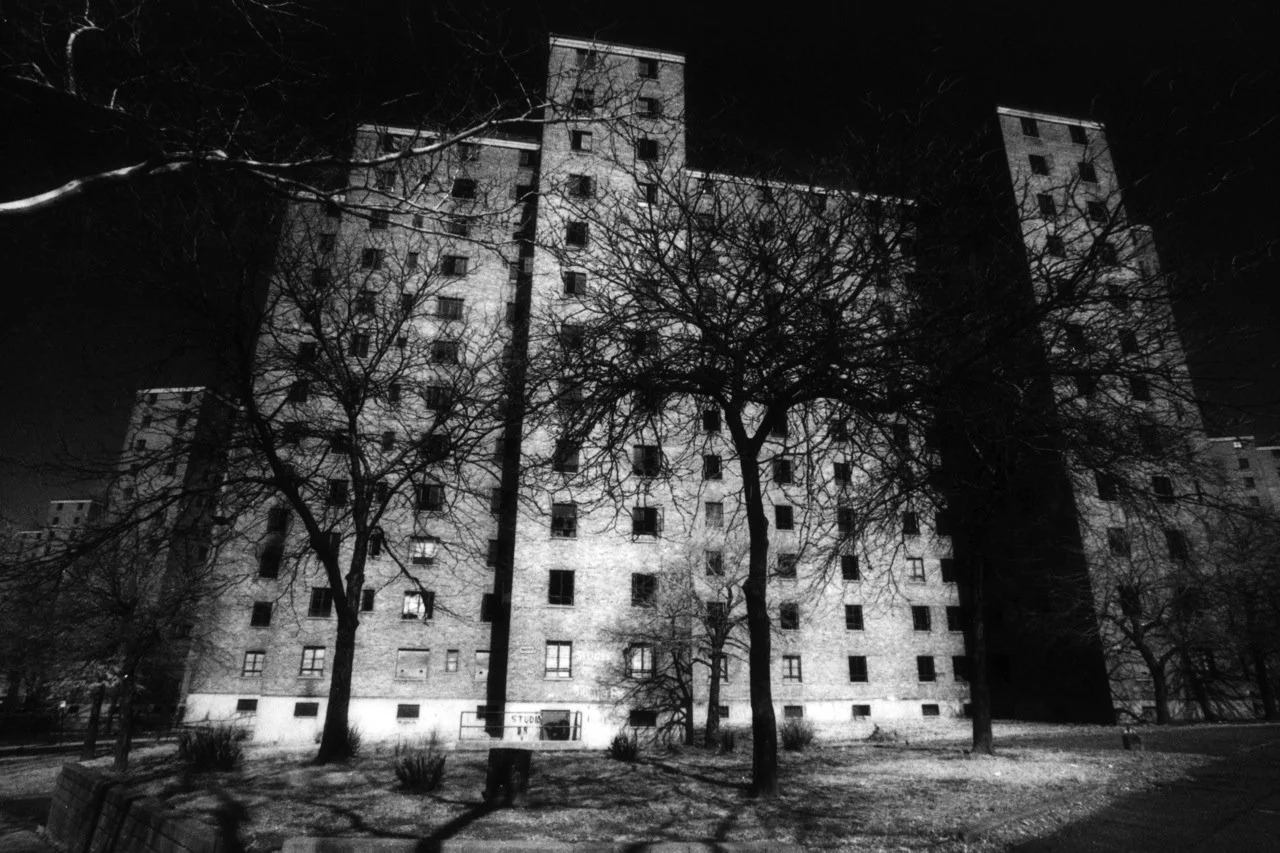
When I woke up the next morning, La Perla became my only mission. I walked to the wall that separates Old San Juan from La Perla (which means “The Pearl”). It sits about 100 feet below San Juan, and comparatively speaking, looks like a Third World country. It was once the home of former slaves, non-white servants and filled with cemeteries. There are no stores except one, which is actually someone’s home. There’s a bar that’s also someone’s house. A recent government sweep of accused drug dealers left rows of small, concrete houses half-occupied and half-abandoned.

There was a middle-aged homeless man who spotted me and told me he could get “that sticky” (weed) for me. I told him I wasn’t looking for weed but was a photographer and wanted to take pictures. He agreed to be my guide. Other than the handfuls of people I saw on the way in, there were virtually no signs of life. I took some shots of my tour guide and gave him the few dollars he requested for his troubles. A place called “The Shooting Gallery” was his next stop, but he said I would not be able to go. It was the local drug house. I had to get up in there and get some shots. I told him that I’d been in these kinds of places before and that he should take me. After a short back and forth, he agreed.

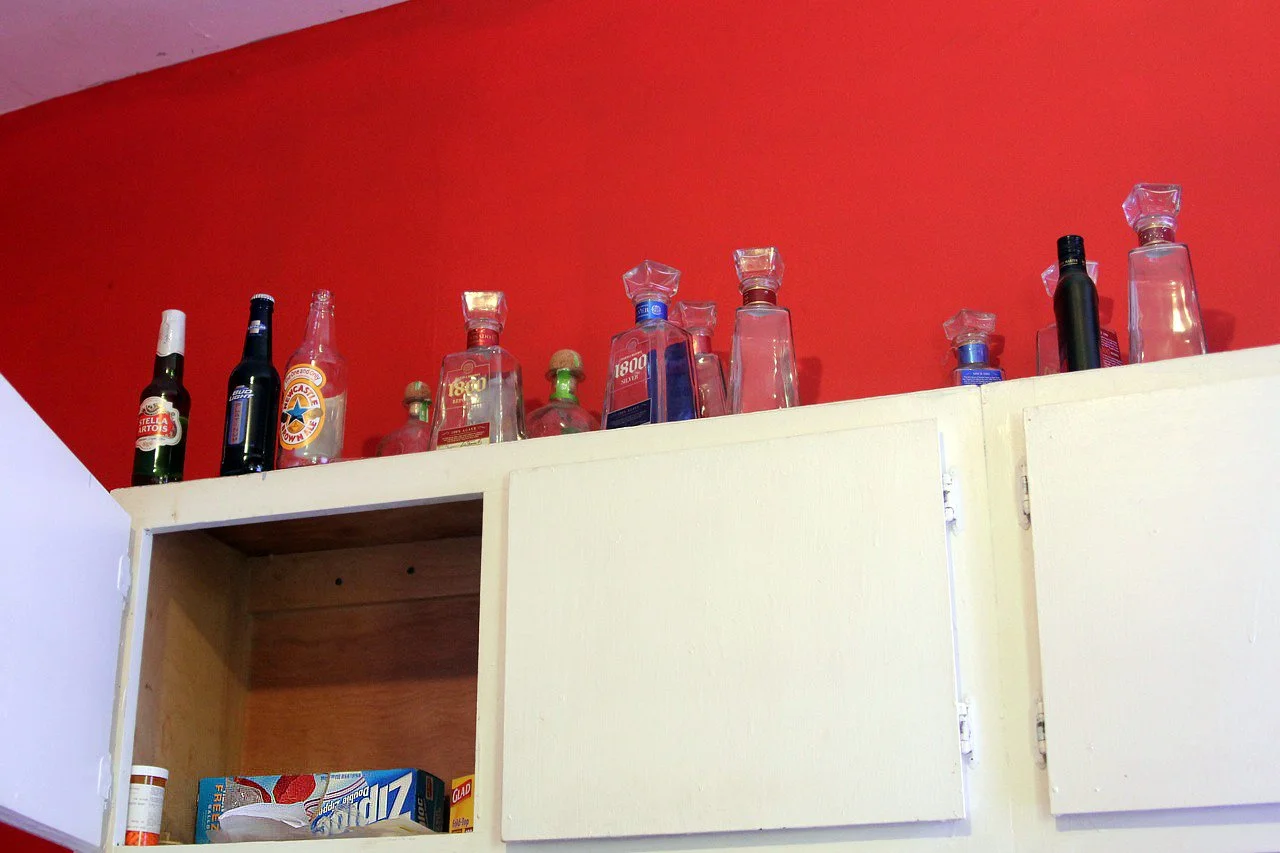
The Shooting Gallery was located in an abandoned building but was surprisingly well-kept and clean. It was an open house for drug addicts and was run by “Mama,” the godmother of the addicts. Mama was a sweet Puerto Rican woman from Paterson, New Jersey. She’d lived there for the past 40 years and had an open door policy for anybody who needed to stay or get high there. As Mama cooked and smoked her crack, she was extremely calm and aware, telling me stories about the area. The drug dealers there didn’t allow stealing of any kind and if you were caught, they would kill you and throw you in the river, she said. She also told me if they saw me there they would think she was giving me “information,” as if I worked for the police.

I stayed with her for about an hour and returned the next day to stay longer. I remember the last thing “Mama” told me. She said, “You’re getting stuff photographers don’t get. If you make a lot of money off these pictures, don’t forget about me.” Little did she know, I can’t forget about her. Her openness, duality, kindness and generosity are exactly what I often see and appreciate in the less fortunate. I’ll never forget her for welcoming me into the dark and light side of her life. She meant money, though.

Overall my four day stay in PR was short but sweet. The people of Puerto Rico made an impression on me that will be everlasting. Even though I don’t speak a lick of Spanish and half of them didn’t speak a lick of English, we felt each other. To me, that’s all that really matters.

Buy HYCIDE in print
HYCIDE cover
HYCIDE cover
HYCIDE cover
HYCIDE cover
HYCIDE cover
HYCIDE cover
HYCIDE cover
HYCIDE cover
HYCIDE cover
HYCIDE cover

HYCIDE explores the roles we create for ourselves and those created for us, challenging the status quo while bearing witness to the feared, neglected and misunderstood.

Our Mission: Stories of survival and freedom. No judgment.

    READ MORE FROM HYCIDE MAGAZINE