
REPRESENT: JAMEL SHABAZZ
Words by Michael A. Gonzales and Carrie Stetler | Images by Jamel Shabazz
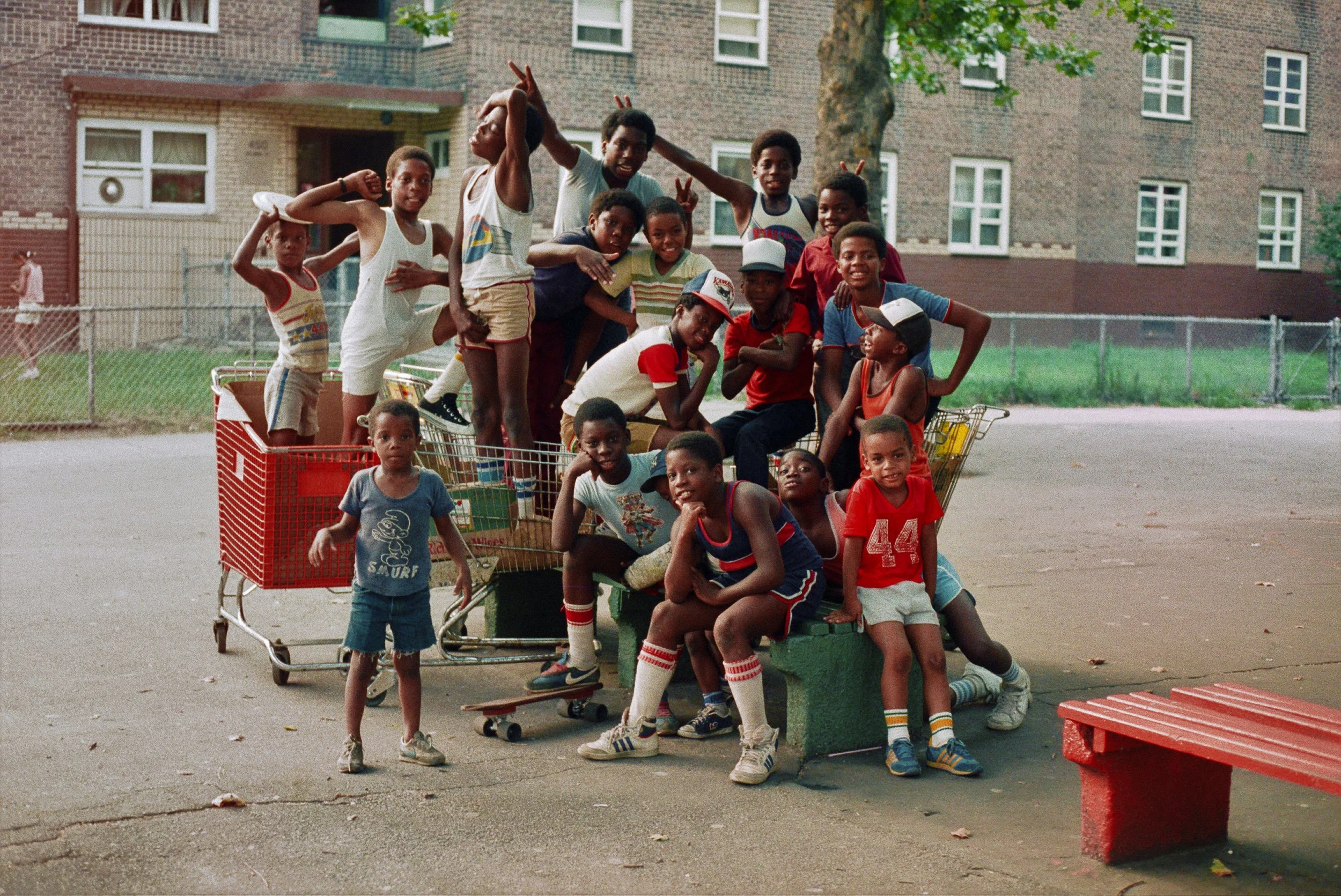
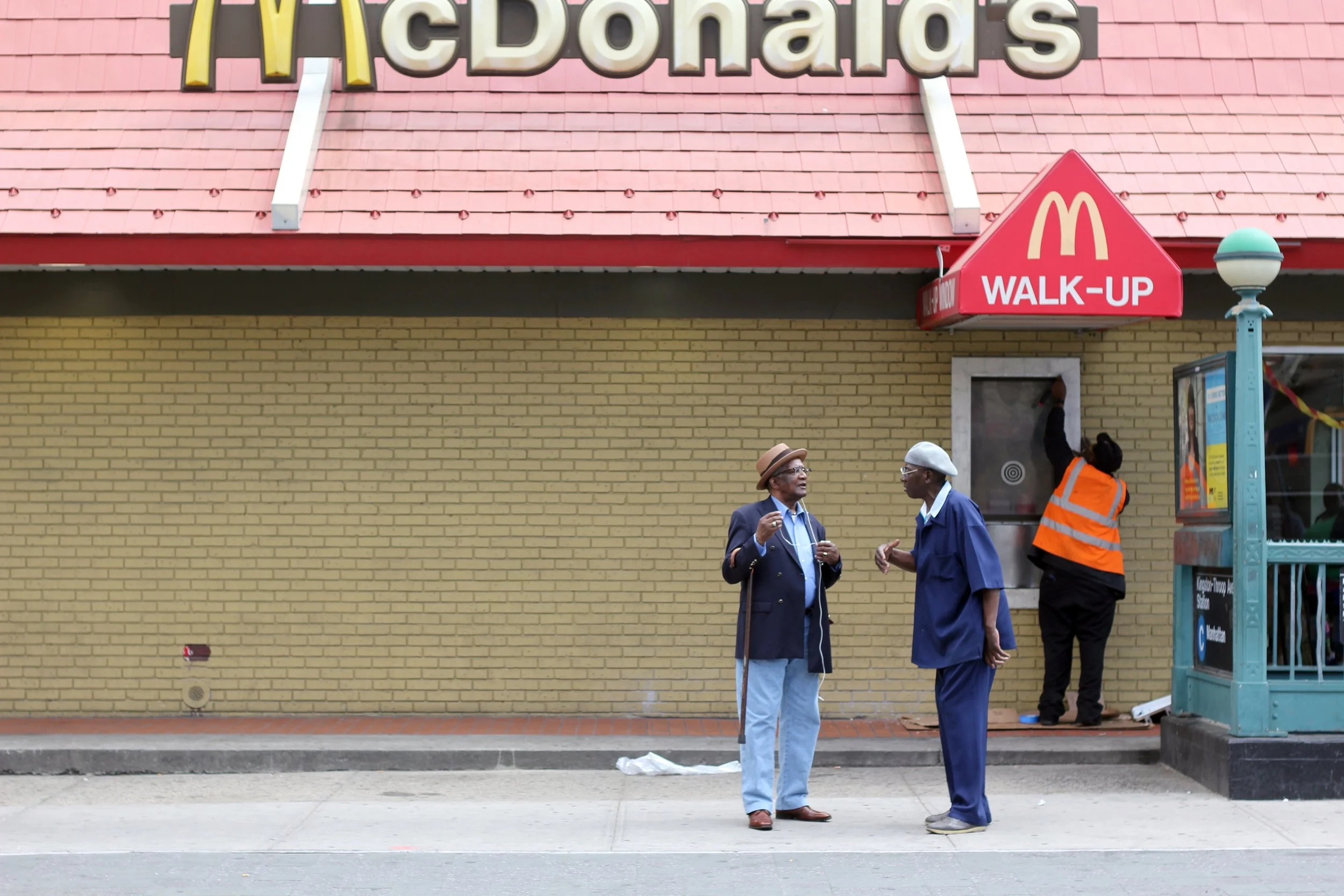
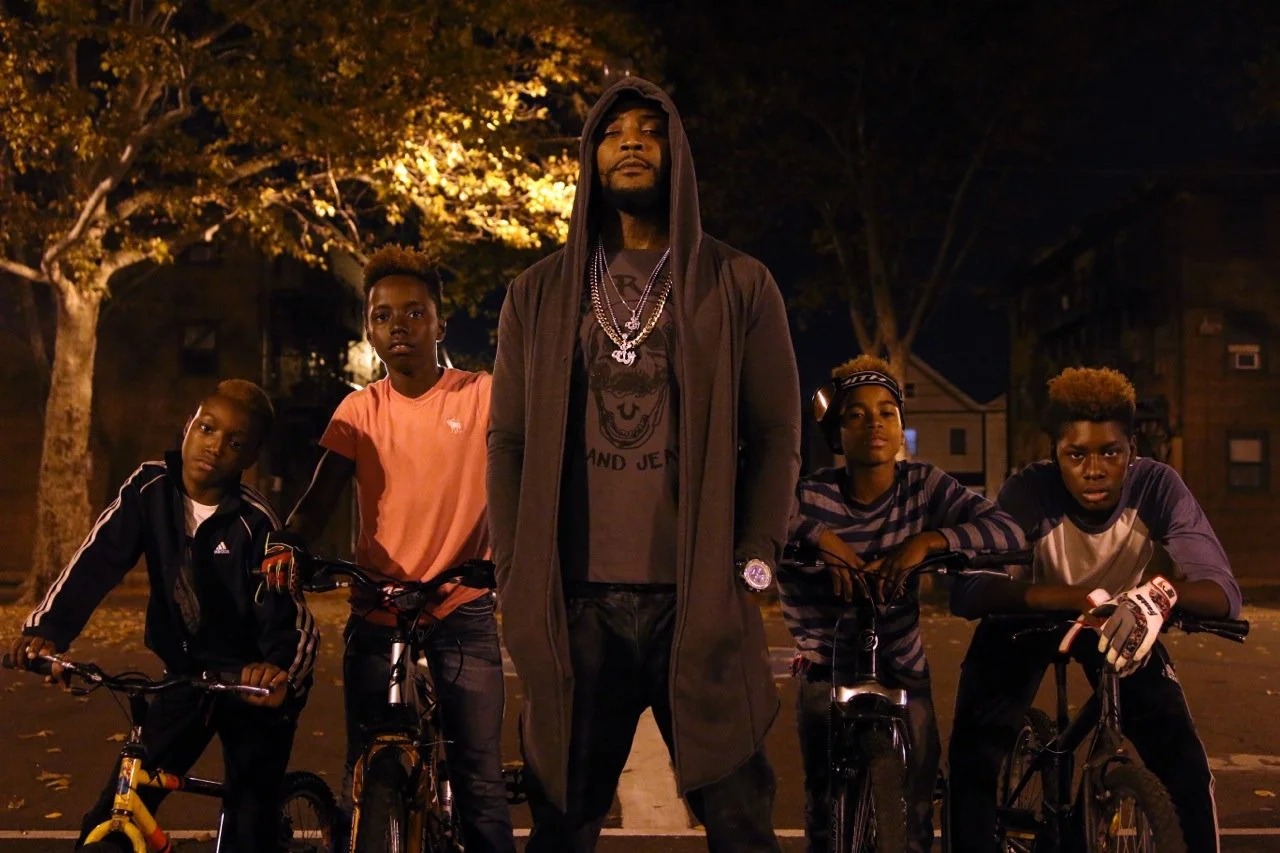
For more than 30 years, Jamel Shabazz, HYCIDE’s creative director, has photographed whoever caught his eye on the streets of Brooklyn, his hometown, and later, all over the world. His indelible images document people who were largely absent from the photojournalism of their era. Fans of Shabazz know that throughout his career, he has reclaimed something precious that otherwise would have been lost. Starting December 14, the Brooklyn Public Library will feature his work in an exhibition titled REPRESENT: Photographs from 1980-2012. Shabazz has published three books, "The Last Sunday in June"; "A Time Before Crack" and his first, the now classic "Back in the Days."HYCIDE’s Contributing Editor Michael Gonzales remembers the impact of discovering "Back in the Days" 11 years ago. The full length version of this story appears in HYCIDE’s one-year anniversary issue, which can be purchased here.
-- C.S.
A month before the madness of 9/11, I was strolling streets up Broadway when I saw the cover of photographerJamel Shabazz’s first book, Back in the Days. Centered between two other books in the display window of Shakespeare & Company, Shabazz’s shot of too-cool Latino b-boys stancing defiantly (folded arms, ice grill expressions) on Da Deuce literally stopped me. Later, I learnt that Shabazz’s work had been published in The Source, Mass Appeal and Trace, yet somehow I had missed it until that moment. His work reminded me of the funk of James Brown, the prose of James Baldwin and the vision of artist Romare Bearden. I was blown away. Even its title, Back in the Days, was perfect, conjuring an old school gritty city hip-hop way of life when rap was young and so were we.
Flipping through Shabazz’s stellar book was like something out of Back to the Future. Yet, instead of jumping into a DeLorean and speeding into a Happy Days white folks’ version of the fifties, Brooklyn boy Shabazz took the viewer on a hip trip down the bustling streets of his hometown onto the graff splattered subways in Times Square and into the cool hangout spots scattered throughout the city. Taking the book to an Irish bar, where I sipped a vodka and tonic and stared lovingly at Shabazz’s subjects, I thought to myself, “I know these people.” Not that I had ever met any of them personally, yet, as a native New Yorker, these young cats and chicks styling with their Cazals and Kangols, fly gold chains and big belt buckles, designer jeans and spotless sneakers, reminded me of the brothers and sisters I’d grown up with in Harlem and Washington Heights.
Shot in a direct style, situated somewhere between snapshots and photojournalism, art-house and weed-spot, I wondered about the youthful peoples depicted within those pages: who had become a crack head or who had gone to jail? Who now worked for “the city” or sold subway tokens for the MTA or begged for change outside Burger King or managed to travel miles away from the harsh environments clearly seen in the background of their photo? “All of my subjects are very special to me,” Jamel says. “Sometimes, we reconnect years later and I make it a point to photograph them and learn more about their history as it relates to back in the days.”
HYCIDE explores the roles we create for ourselves and those created for us, challenging the status quo while bearing witness to the feared, neglected and misunderstood.
Our Mission: Stories of survival and freedom. No judgment.
READ MORE FROM HYCIDE MAGAZINE