
LONDON BURNING: BEFORE THE RIOTS
Words by Carrie Stetler | Images by Robin Maddock
Photographer Robin Maddock couldn’t have predicted the riots that erupted in England last month, spreading from London to more than four other cities.
But he does know something about the festering anger and hopelessness that preceded it.
For three years, he photographed police raids in Hackney, a borough of London, where police and residents shared a mutual hatred of each other, he says, and where rioters set fire to cars and looted stores during the four-day wave of destruction that engulfed England.
England’s conservative Tory leaders denounced the riots as “mindless criminality’’ among lawless youth, despite the fact that a cross-section of citizens were charged with crimes, including an organic chef, a postal worker and a millionaire’s daughter.
In the aftermath of the riots, some convicted rioters who live in public housing--the least likely to be able to afford new homes--have been evicted. People who were caught stealing water or diapers were sentenced to months in prison.
The catalyst for the riots was the death of Mark Duggan, who was shot by police in the Tottenham section of London on August 6. Family and friends described him as a devoted father of four who would never instigate a confrontation with authorities.
Police called him a suspected drug dealer with links to the Star Gang. Officials initially claimed he was killed in an exchange of gunfire with officers, but an investigation revealed that only police bullets were fired.
In a country where 333 deaths have occurred in police custody since 1998, yet no officers have been convicted, anger against law enforcement has been building.
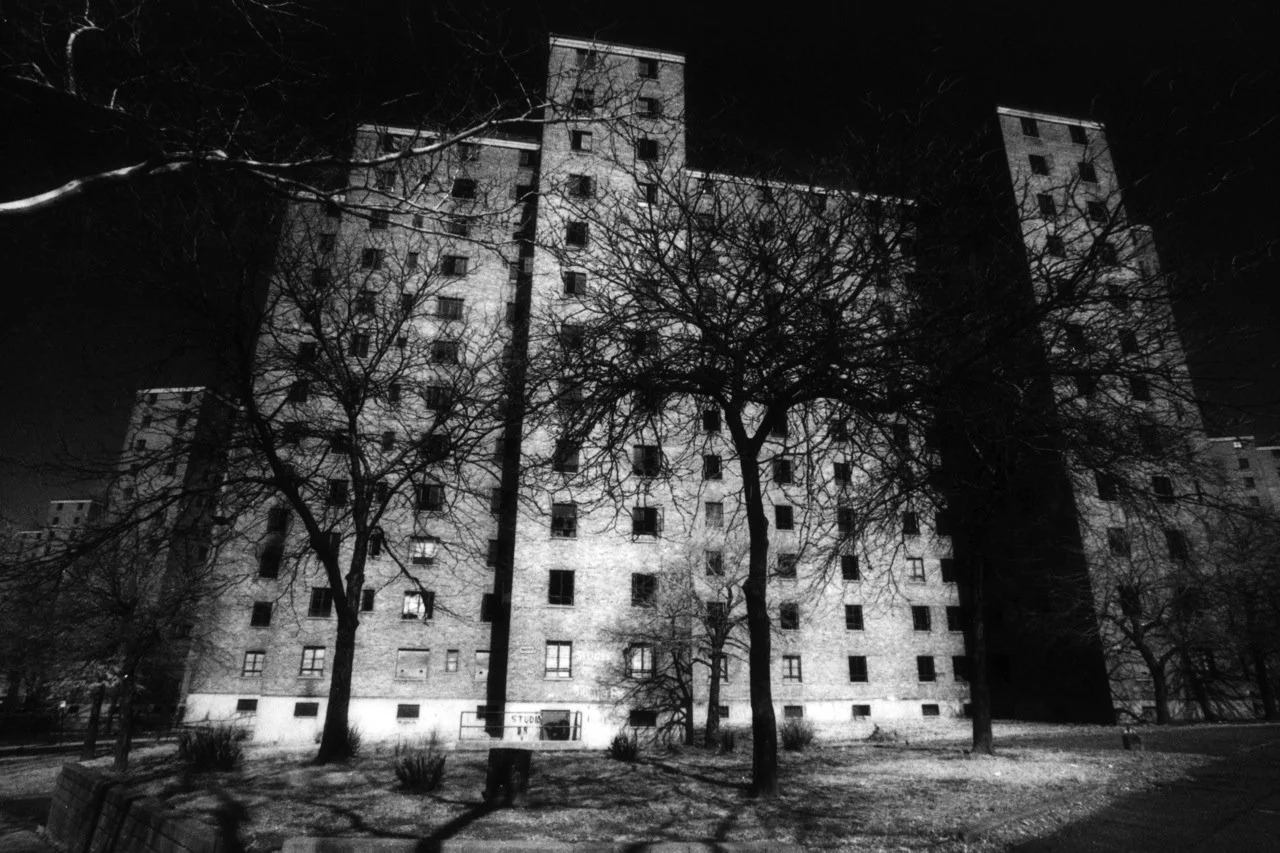
Maddock, a former resident of Hackney, trailed police from 2005 to 2008. Following them on raids gave him a window into tensions between residents and police in Hackney’s low-income high rises and flats, home to a diverse mix of residents. His images were published in the 2009 book “Our Kids Are Going to Hell" ’’
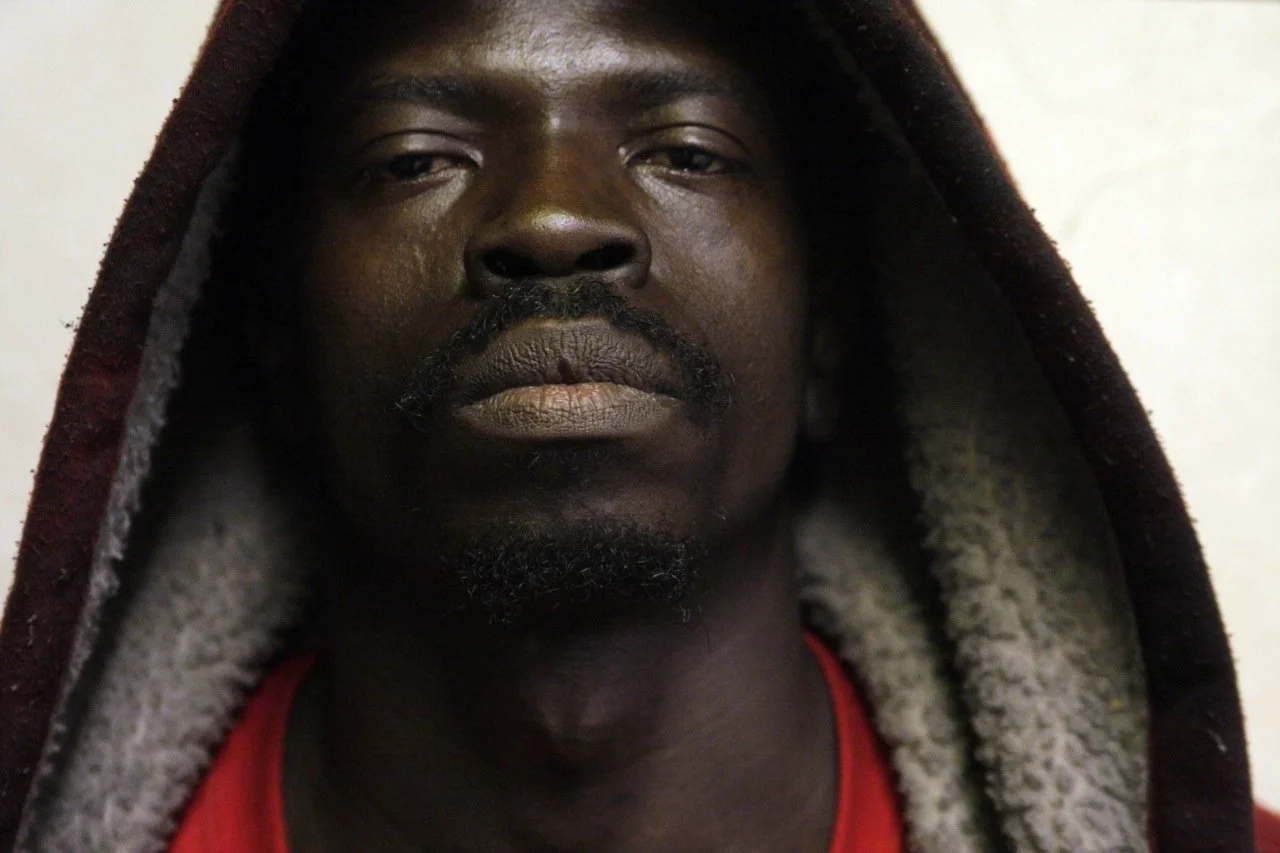
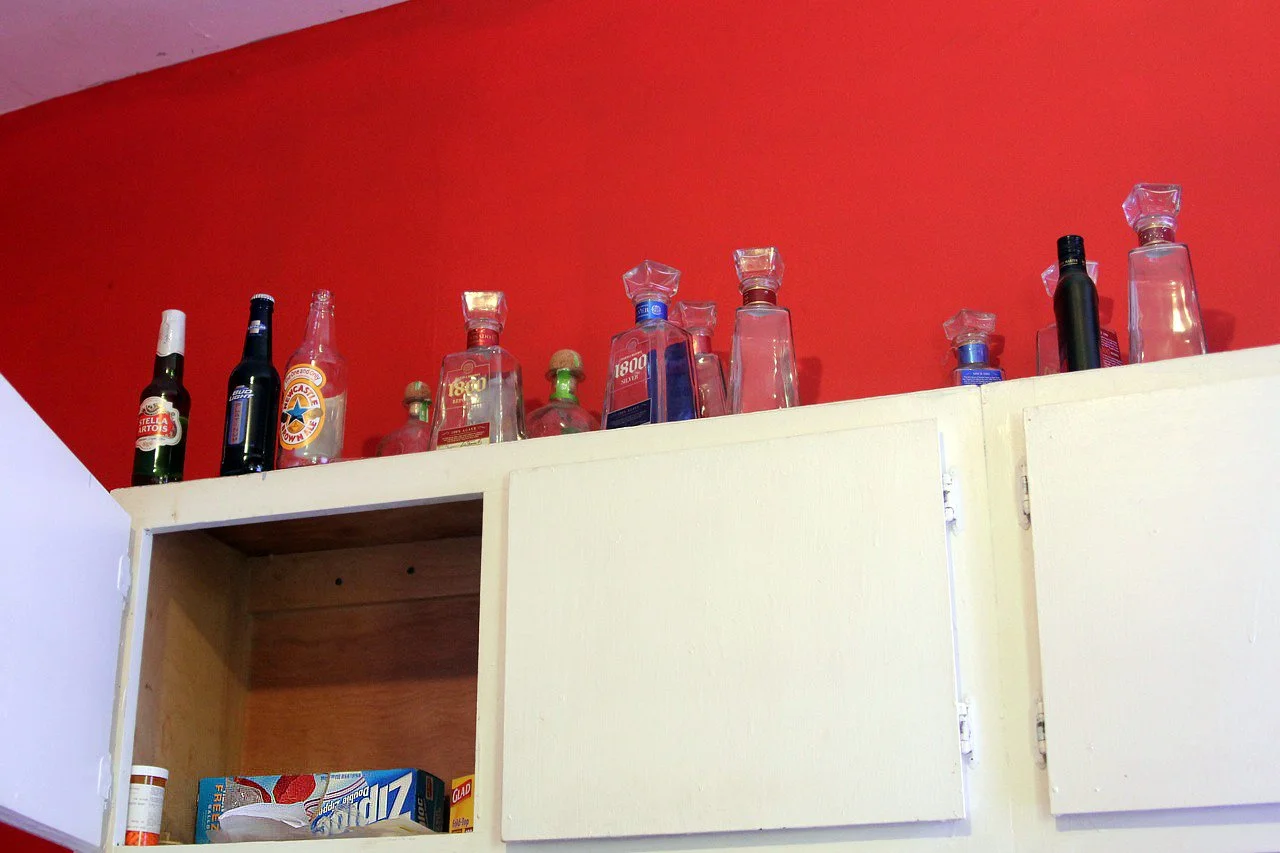
Maddock’s photos in the book are grimly detached, revealing both the benumbed work of the police and the disrupted lives of Hackney residents, their homes upended, husbands and fathers handcuffed and interrogated.
Maddock sees both sides pitted against each other by a government that “papers over’’ an ever-widening gulf between the haves and have-nots. As unemployment continues to rise, England’s conservative government has cut programs for the poor.
Hackney, like many parts of urban America “is very full of hipsters but so polarized in terms of opportunities,’’ says Maddock, who has worked for British newspapers like The Observer and “The Times’’ of London as well as the magazine New Music Express.
“The areas that lucky kids don’t even know exist are right next door to them. There’s the paradox of the lifestyle of hustle promoted in the mainstream and the realities of being so alienated from the real economy,'' says Maddock, who is about to publish a book called "God's Forgotten Face'' on the English town of Plymouth, were his father was raised.
Maddock believes England is haunted by an overall “poverty of meaning'' which helped spur the riots.
“What did most of rioters do except take sneakers and flat screen TVs?'' he says. "That most be the clearest indication of the problems facing us--a society only concerned with vanity and stuff.’’
HYCIDE explores the roles we create for ourselves and those created for us, challenging the status quo while bearing witness to the feared, neglected and misunderstood.
Our Mission: Stories of survival and freedom. No judgment.
READ MORE FROM HYCIDE MAGAZINE