
HIGH POINTS
Words by fayemi shakur | Images by Chester Higgins, Jr.
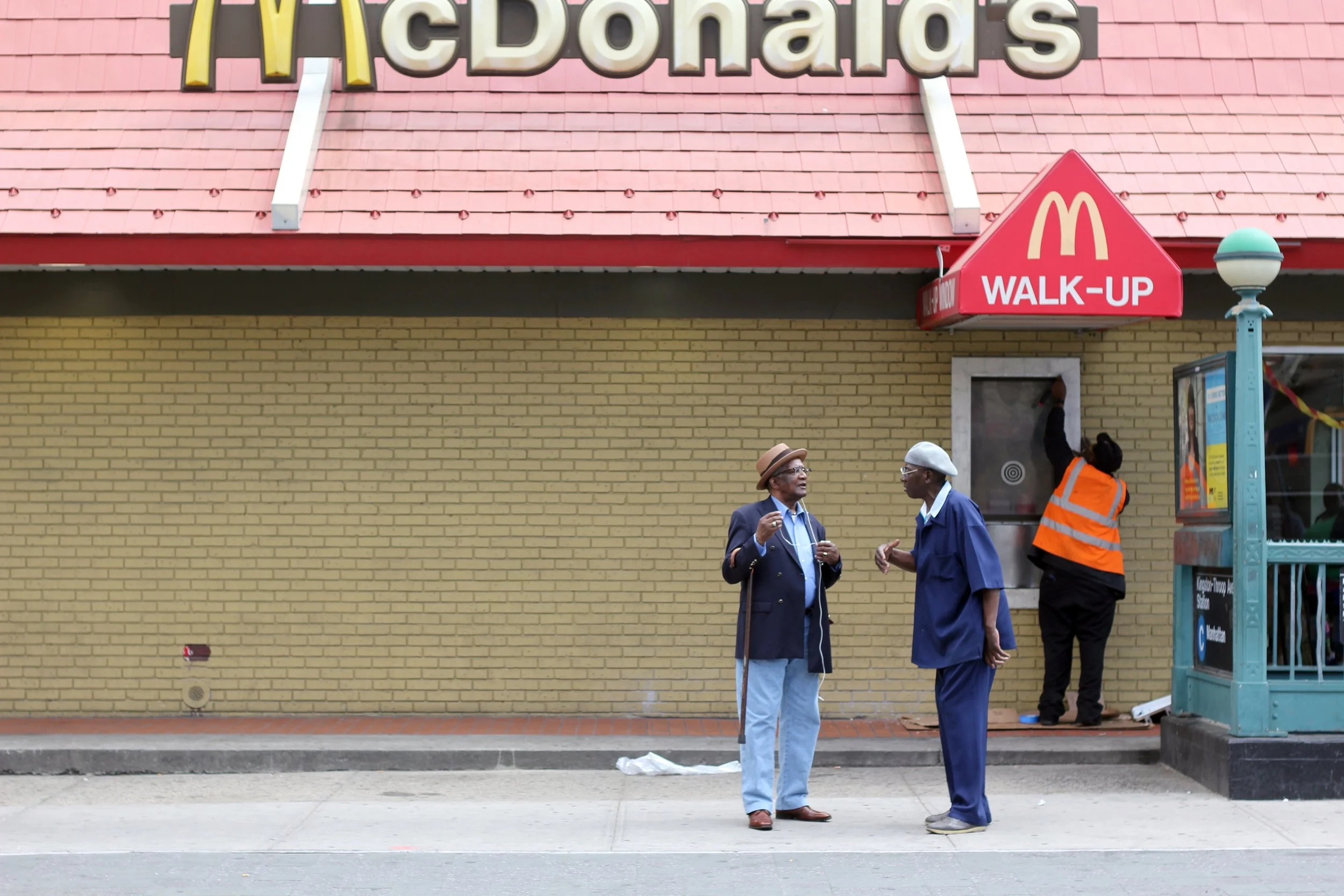
When legendary photographer, Chester Higgins, Jr. first became interested in photography, there were no photography schools. Back then, during the 1960s, a student had to learn from another photographer. Booker T. Washington, founder of the Tuskegee Institute in Alabama where Higgins was a student, used photography to market the school. Inspired by the work of Tuskegee’s official photographer, P.H. Polk, Higgins realized he had never seen images of his favorite relatives.
In those days, Black people in the deep South rarely had their pictures taken. Polk’s photographs celebrated the national and local elite, as well as the working class residents of the region. Like Polk, Higgins wanted to show Black people the reverence and respect they deserved through photography. He didn’t have money to hire his own photographer so he asked Polk to teach him. Polk’s portraits from the 1930‘s allowed him to relive an era. “Thanks to photography these people seemed to live on. I was staring into their world and loving every minute of it. For me, these photographs held power. I felt drawn into the lives of the subjects. Although they may have been dead, their image was there alone with me. I felt satisfied. I was enriched. I needed a camera,’’ says Higgins.
Moved by the ability to create memories of his family heritage, Higgins relocated to New York with a desire to learn more. He studied the mastheads of his favorite photography publications, like LOOK magazine, searching for a mentor to teach him the business side of the industry. He sought out Gordon Parks, and after months of persistence, Higgins met him in 1970. Parks answered his pressing questions about photography and morality. “I wanted to know how to make beautiful photography without sacrificing the humanity of the people. Gordon told me what White people see in Black people, that they expected to see down and out energy from us, which shouldn’t be reinforced,” Higgins says. “He told me not to give White employers the opportunity to select images that negate the humanity of Black people in favor of disaster voyeurism.”
Higgins encourages “learning from the masters” and appreciates other greats like Arthur Rothstein, Cornell Capa and Romare Bearden. Equally influenced by the Black Studies movement at Tuskegee, which had an exchange program and encouraged students to learn about Africa, Higgins soon became passionate about international travels. “When I was in junior high school, our teachers had to create their own special handbooks to teach Black history,” Higgins remembers. “Africa had only been defined by the people who hated us, but exposure to the normalcy of their lives from African students and writers made me want to see my cousins.”
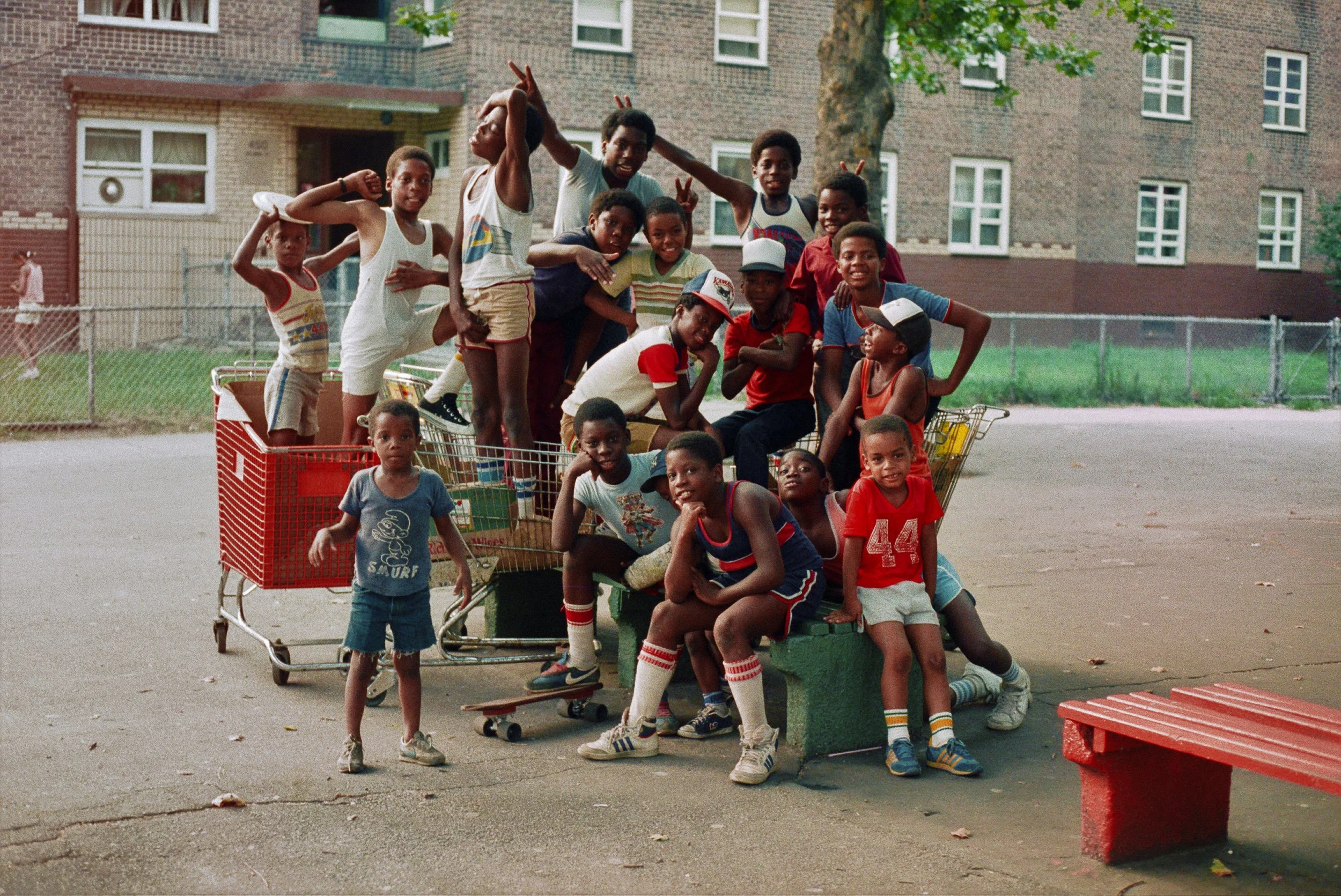
Since 1971, Higgins has traveled to Africa almost every year, totaling over thirty times. Higgins would visit and live in small villages and liked to document the everyday lives of the people he met. “I didn’t see them as exotic or victims. Their different customs didn’t make them strange, it made them interesting. Africans don’t see themselves as victims and that appeals to me.” Higgins continues by adding, “My pictures are very personal. I don’t want my subjects’ attention on me but I want to capture what they are doing. To do that you have to capture a bridge of trust that makes them feel comfortable. Politically, I wanted to show that Africans could rule themselves,” he says.
Most known for his work as a photographer for The New York Times, Higgins felt it was important to create sympathetic, not sensational images, of Black people in a publication viewed by decision makers. At one point, he was granted security clearance to cover talks at the United Nations. His work has also been featured in Newsweek, Fortune, LOOK, Essence and Life, shown in museums all over the world and featured in solo exhibitions at the International Center of Photography; The Museum of Photographic Arts; The Smithsonian Institution; The Museum of African Art; Musée Dapper Paris, The Schomburg Center, The New York Historical Society and the Schatten Gallery at Emory University.
As an author, he’s published numerous photo collections, Black Woman, Drums of Life; Some Time Ago: A Historical portrait of Black America (1850–1950); Feeling the Spirit: Searching the World for the People of Africa; Elder Grace: The Nobility of Aging, and his memoir Echo of the Spirit: A Photographer's Journey. After 1975, most of his works and books have been focused on the African Diaspora and he’s been committed to his work for over five decades. “I’d like to think that my pictures are therapeutic. When we see the beginnings of our history with enslavement, we negate the rest of our history. That should not be the defining moment. We should explore the high points.”
HYCIDE explores the roles we create for ourselves and those created for us, challenging the status quo while bearing witness to the feared, neglected and misunderstood.
Our Mission: Stories of survival and freedom. No judgment.
READ MORE FROM HYCIDE MAGAZINE