
GOD OF SMALL THINGS
As told to fayemi shakur | Images by Nema Etebar
Photographer Nema Etebar will be sharing stories and images from Uganda regularly on HYCIDE starting next week. This introduction to Nema and his work first appeared in HYCIDE's one-year anniversary issue. You can purchase it here.
I grew up down South and I was born in Kentucky. My dad is Iranian and Muslim, my mom was Christian. Being down south people didn’t know if I was Mexican or what I was because I had darker skin. When I was younger I wanted to grow up somewhere else but now I appreciate it because I can see how people relate to each other. Those country boys who were maybe racist or judgmental towards me are like that because of their lack of experience and being exposed to other people.
Before I moved to the East Coast I would take a lot of photographs with film before digital was around. I didn’t have a dark room or a way to develop the photos. Still, I liked to look at images of people. I would go to the library and spend the day in a room that had National Geographic magazines. I made a deal with the librarians; I could organize them in exchange for permission to keep some. When I took the magazines home, I ripped out the images, made canvases out of ripped up cardboard refrigerator boxes and make collages of all the interesting people in the magazine.
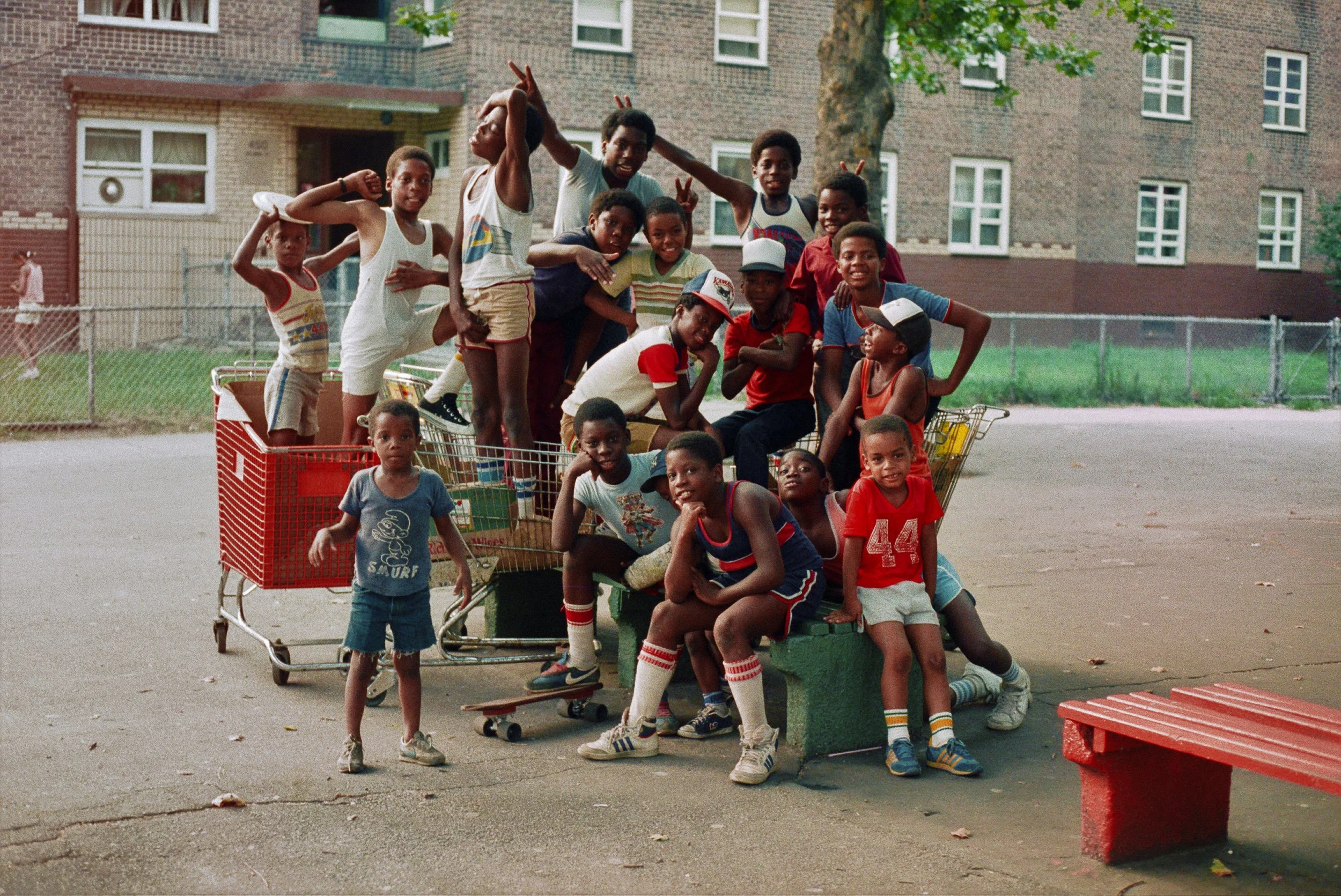
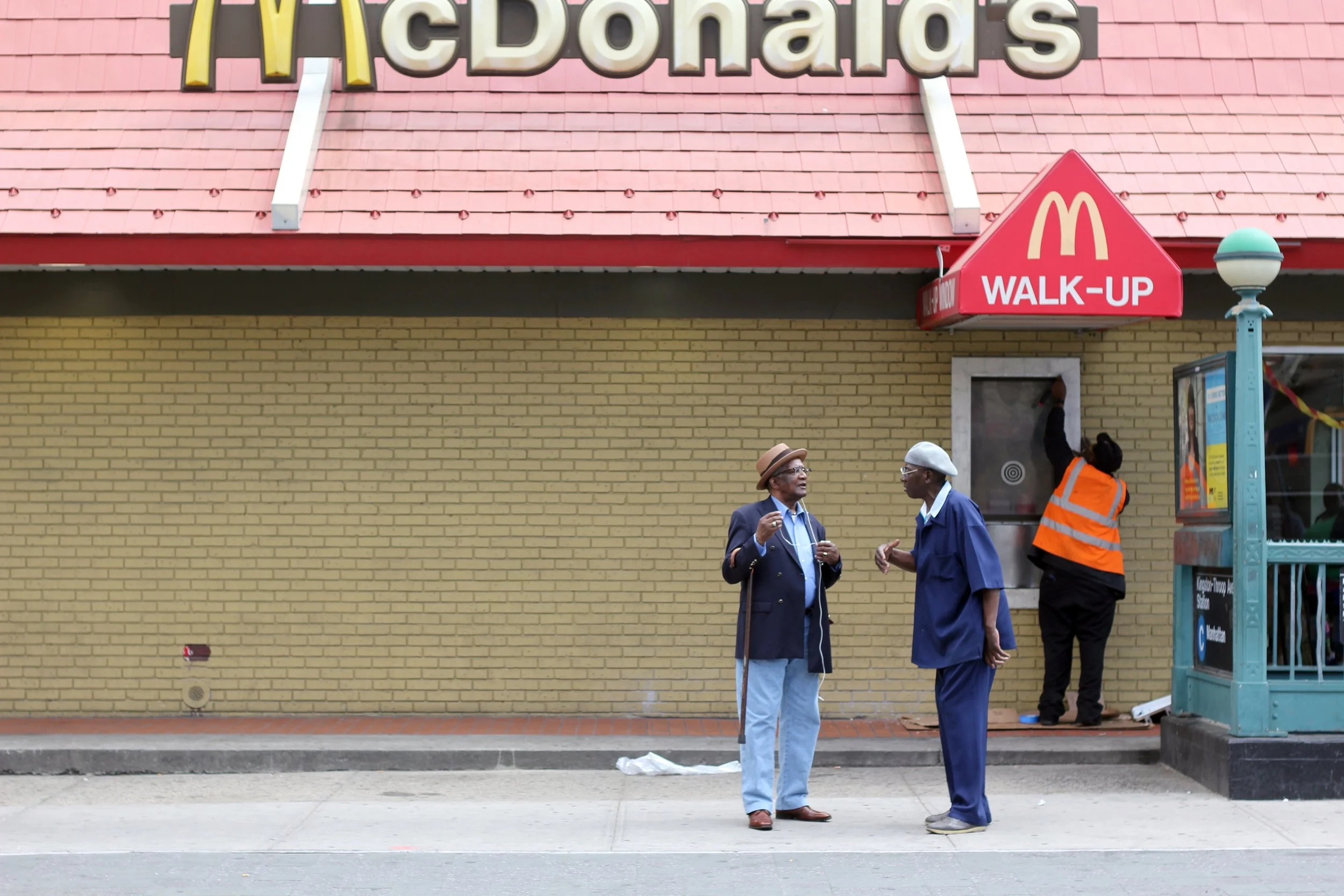
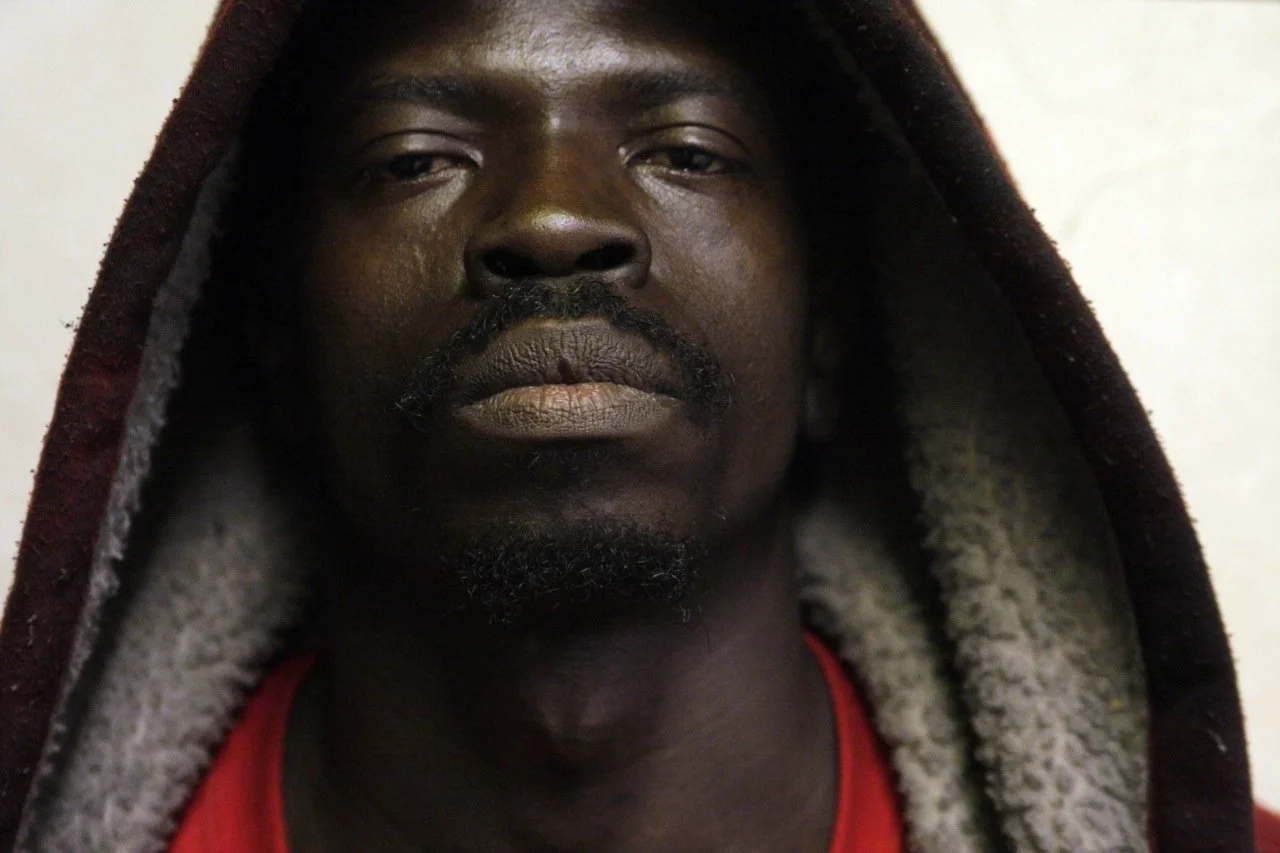
When I moved to Philly I felt like I was home for the first time because I love diversity. There was so much happening in such a concentrated area. I didn’t know anyone but started just sitting and talking to homeless people on the streets. I talked to them sometimes for hours because they had so much character. I began with them, slowly documenting the city with my small 5.5 megapixel camera and became known as “the guy who takes pictures of homeless people”. I would often return to give them a photo I took of them.
Then I began to branch out and got an opportunity to go to India after doing a few shows in Philly and New York. I went to shoot for a non-profit to help create awareness of children who were kidnapped and forced into labor and prostitution. I quickly realized the difference between the East and West. There’s a poverty in India like no other and it’s humbling. It’s incredible—the colors, the skin complexion, the warmth in their eyes, the diversity in the culture, from Hindus to Muslims and especially their smiles. India is Third World. I’ve seen kids lying in the dirt, suffering from malnutrition that reminded me sometimes we look at opportunities that we don’t get but we have a lot of opportunities that others don’t have.
As soon as I came back I created the Wilder Street project, a photophilanthropy initiative I started with some friends in Philly. Our goal was to use the power of photography to bring healing to some of Philly’s struggling neighborhoods. The reality is your neighbor may have a lot of pain in their home and across the world it is the same. Every human has pain and I wanted to encourage people that they have more opportunities than they realize. Perception can affect how bad something really is or isn’t. I cried when I left and maintained my relationships with some of the children and families there.
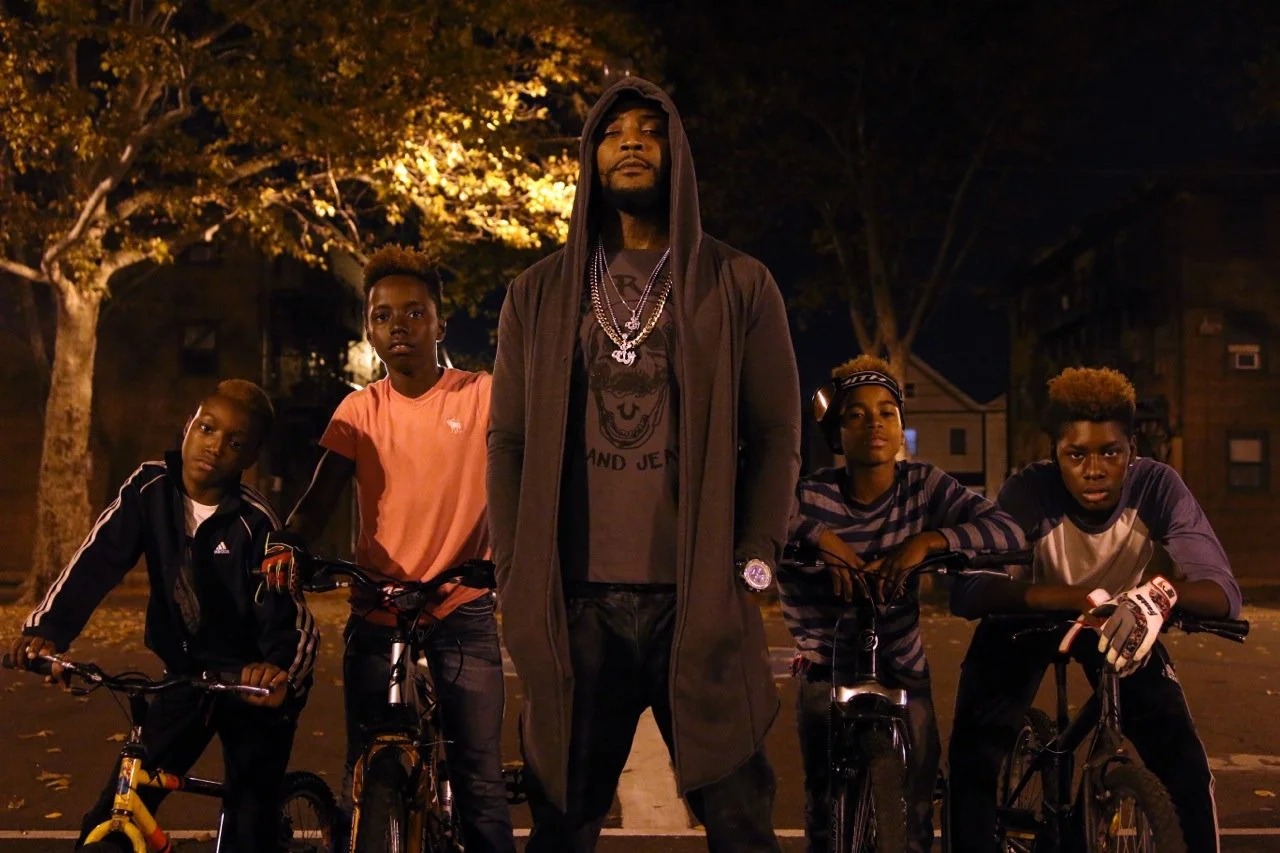
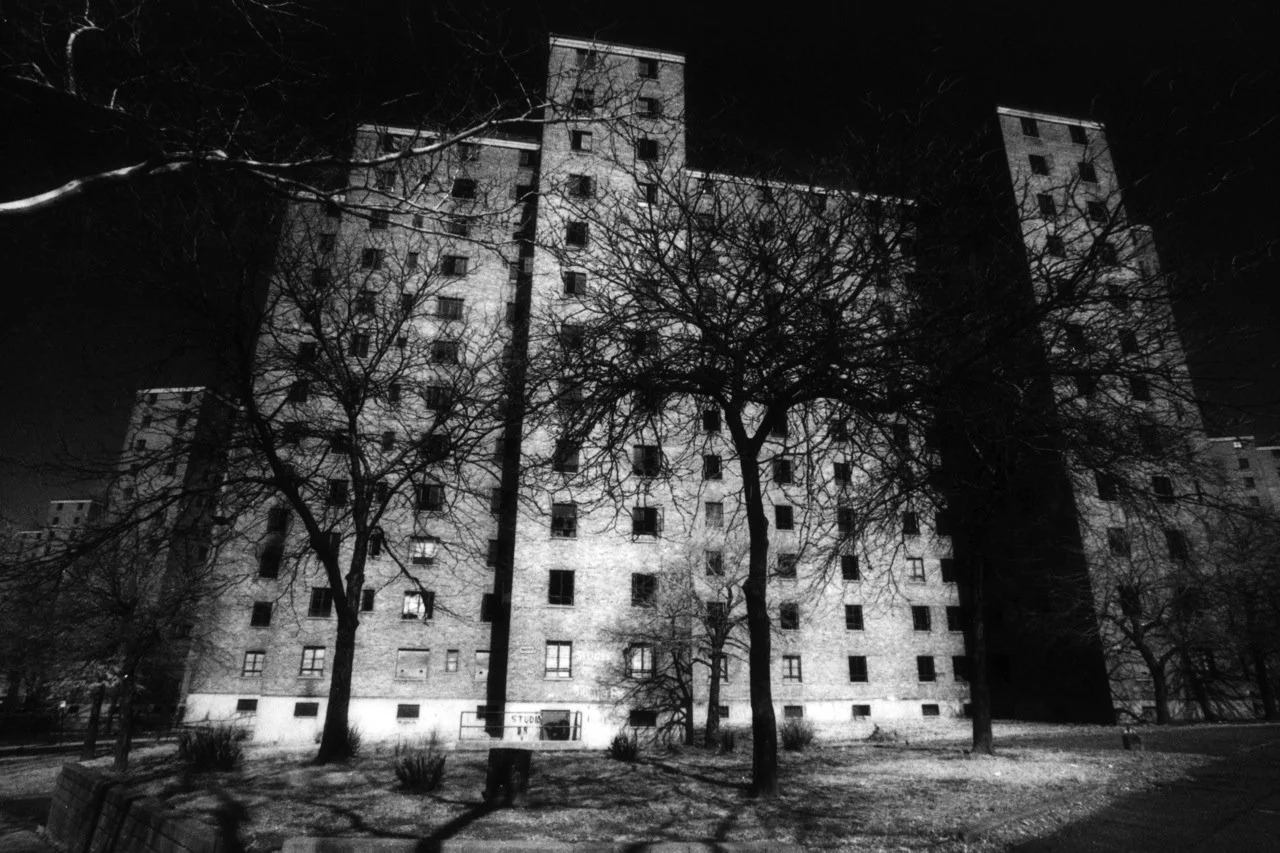
North Philly is a warzone. South Philly is a warzone. I know better than to go there and ask people to take their picture. But when you go into Center City it’s like common ground.
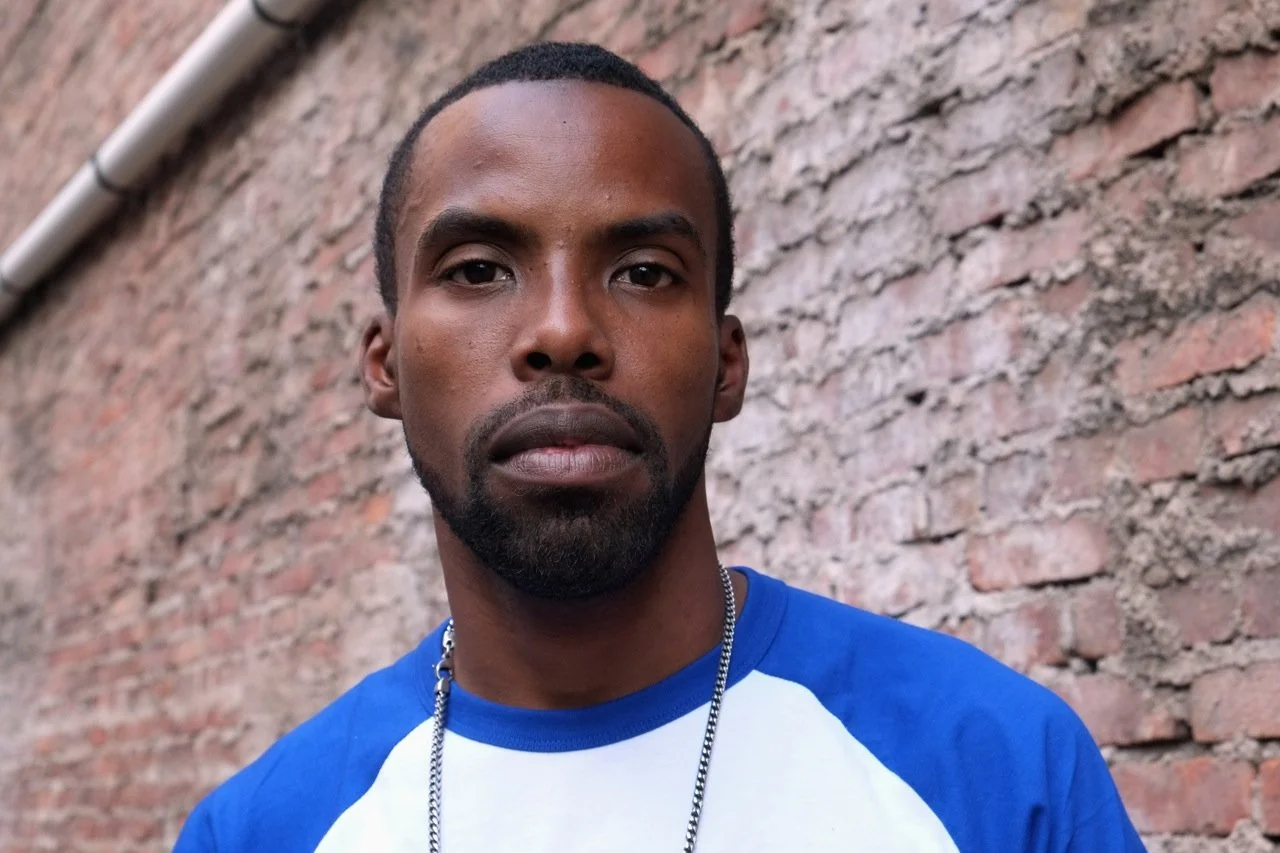
When you first walk up to someone you have about 30 seconds for people to say you are either a weirdo or "sure." It’s nothing for me to walk up to 20 people in a day and ask them if I can take their photograph. I introduce myself and hand them my business card. I tell them they have a great style, I tell them if you have a Facebook you can add me. When I say the word Facebook, instantly they flex up like, ‘’Yo, photograph me. Get me on my good side.’’ It’s not easy approaching people and gaining their trust to take pictures of people on the block.
Documenting is capturing a moment in time, whether it’s a memory or a conversation. You can cheat education but you can’t cheat an experience. They say racism is just ignorance and lack of education. For me, traveling is that education. I’m blessed to have found this passion of people, sharing through stories or a simple photo. In a hundred years when I’m dead and gone that photograph lives on.
HYCIDE explores the roles we create for ourselves and those created for us, challenging the status quo while bearing witness to the feared, neglected and misunderstood.
Our Mission: Stories of survival and freedom. No judgment.
READ MORE FROM HYCIDE MAGAZINE