
ELEVEN80
Words by Andaiye Taylor | Image by Baja Ukweli
October 9, 2014
My personal experience with Newark’s gentrification began on a summer day in 2007, when my mom and I took a stroll downtown.
We lived right off Orange Street, a stone’s throw from West Market Street and close to Central Avenue, three main drags fast becoming vectors for the development that would soon reach our home. On the day of our walk, we started out at the top of West Market Street — near the hulking, abandoned United Hospital complex — and continued past the intersection of Broad & Market.
There was no Dinosaur Bar-B-Que, no Hilton, no refurbished Military Park, no spanking new police station or Rita’s Water Ice or Market Street lofts. It was the downtown Newark that had remained largely unchanged since my adolescence, when we took the bus to buy DJ Clue tapes and little dresses from the $10 store. Or so I thought. Because in the middle of our stroll that day, a brand new reality nearly stopped me in my tracks. Right there, on a Saturday afternoon in downtown Newark, meandering by with a casual gait, in casual clothes — were those… White people?
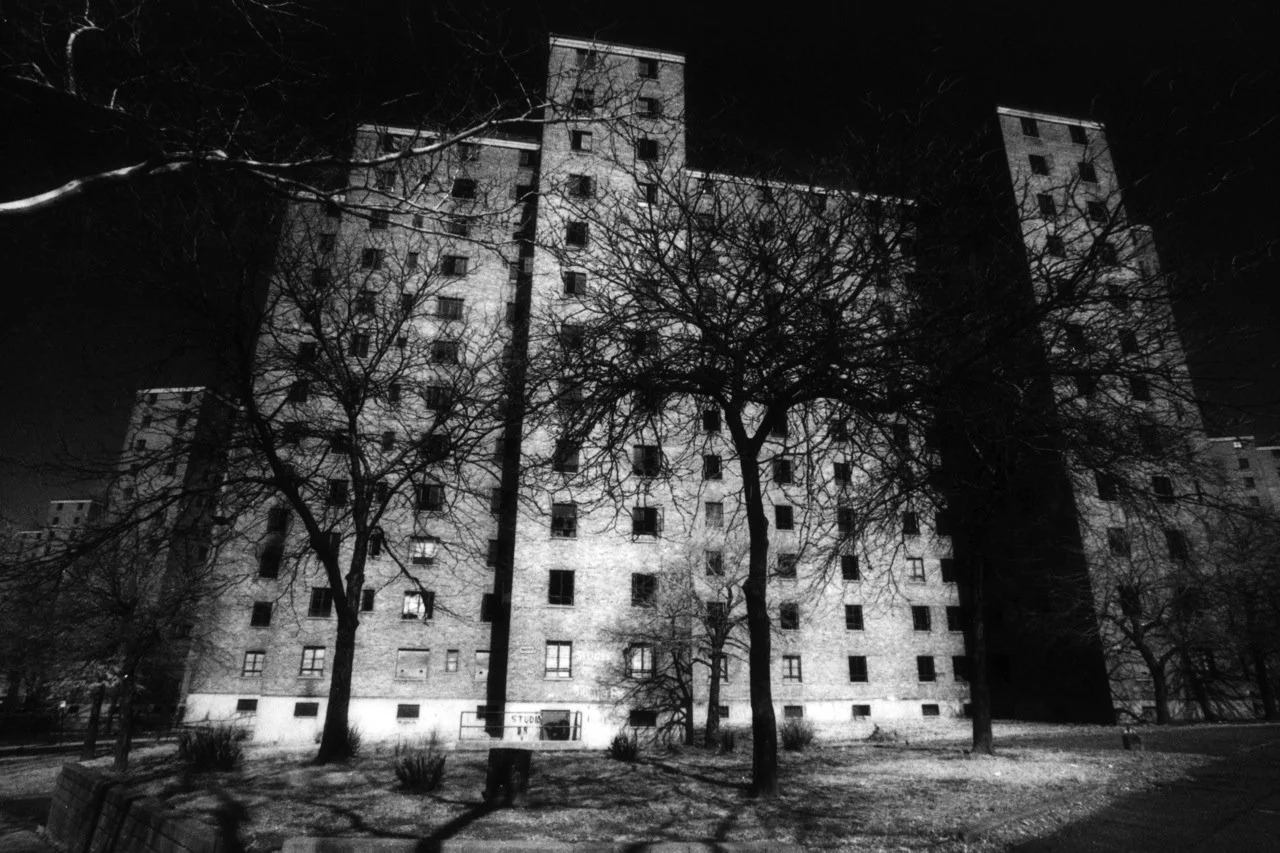
Yes, they were — in downtown Newark, on a weekend, looking right at home. It just wasn’t a thing you saw. Curious, I followed them with my eyes until I found their source. It was Eleven80, a newly renovated, residential high-rise building on Raymond Boulevard with a large, sky-blue billboard on the scaffolding above the doorway that read, “Live … Work … Play.”
My mom and I took a tour of the building right then. I was ready for a place of my own. After graduating from the University of Pennsylvania in 2005, I’d been back home in my native Newark for two years, living with my mother in the West Ward while working corporate jobs in New York City. As my salary grew, my dream was to find a place in Harlem or Brooklyn, where so many of my new friends from college were starting to settle and build new lives. I was biding my time, developing my career and saving my money so that I could make the move, too.
I was floored by what I found at Eleven80, in my hometown. There was a concierge, a huge gym, a beautiful lounge, valet parking — even a four-lane bowling alley. Most of the apartments had high ceilings and great views. And when I compared the price of these amenities with what I’d have to pay for the same types of places in my target New York City neighborhoods, there was no denying what a steal Eleven80 would be. But as much as I loved the building, a quick glance around the lobby, where residents lounged, told me something was missing: diversity.
I thought back to what I’d learned in the urban studies and sociology courses I’d taken as an undergrad about the standard model of gentrification: outsiders come in and spend money creating the neighborhood they want, and the original residents get edged out. I thought about the obnoxious coworker who announced, to my great shock, that he lived in Bed-Stuy, Brooklyn and the annoying smugness with which he said it. And I recalled the way my classmates at Newark Academy, which moved from Newark to Livingston in the 1970s — after nearly 200 years in city — had used the name of my hometown as a pejorative.
This gentrification thing was happening right at home, I thought, and I’m going to bust in. I waited until I got my next raise and did just that.
It’s now more than six years later, and I’ve had a great experience living downtown. I’ve met many friends and peers who have roots in the city, just like I do, and transplants who’ve brought an exciting new energy and perspective to town. And because I lived in Newark when I began my master’s program at Columbia Journalism School, I reported almost exclusively from this city. That ultimately led me to found my own hyperlocal website, Brick City Live. For more than a year I have documented new buildings going up, old buildings getting makeovers, and new shops and businesses moving in.
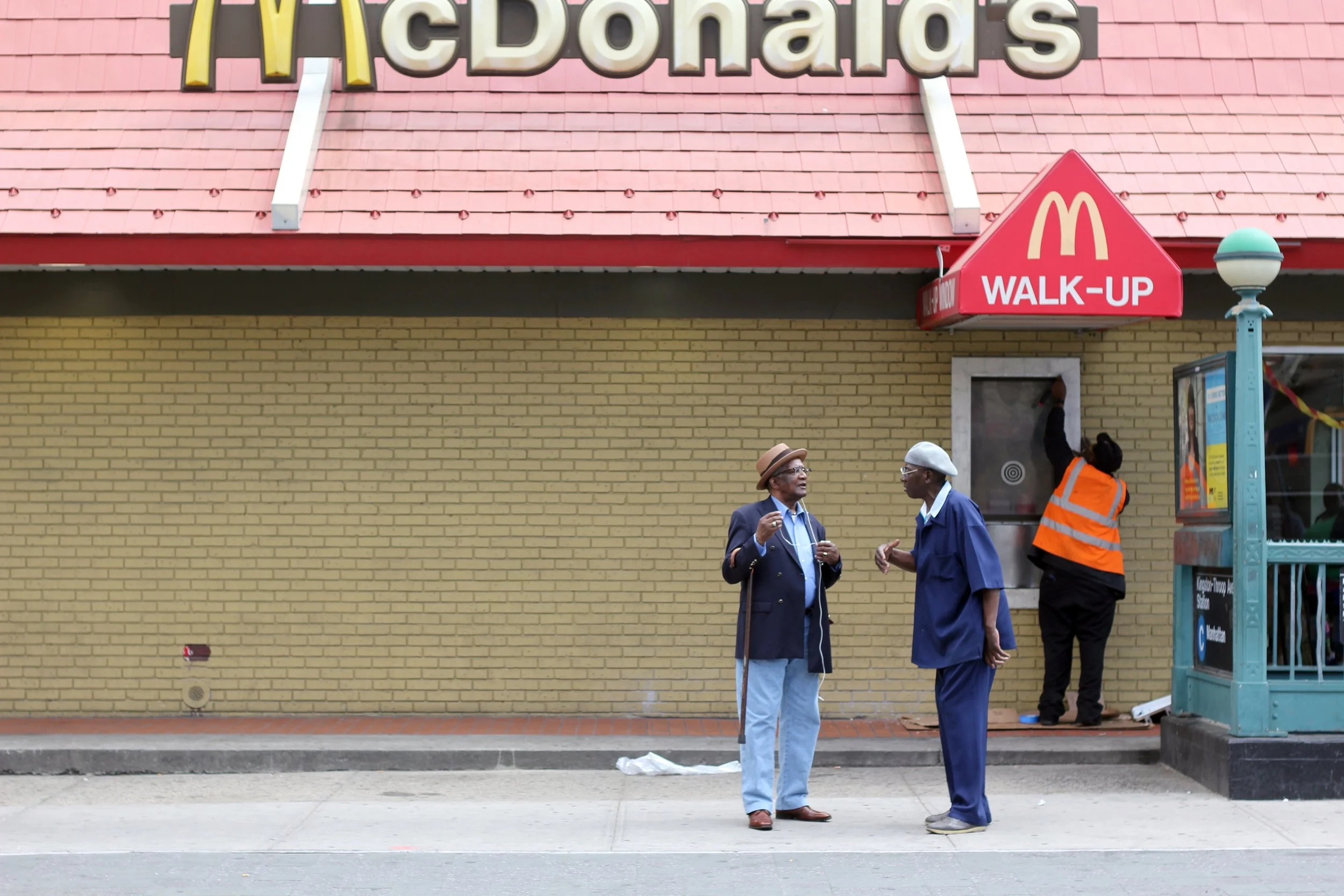
I’ve interviewed longtime residents like Max Henry, who’s been selling house music and R&B mix tapes on Broad & Market for more than 20 years. Like many residents, he fears that changes in the city won’t benefit him — and might actually make life harder. “You’re seeing different types of people come through, and that’s cool — but what’s good for you should be good for me. I resent the divide I see,” he told me. “When the arena [the Prudential Center] opened, they sent all these cops to this one area to protect and patrol. What about everybody else? And grants and help for businesses — these things are a mystery to me. No one’s telling me about them.”
I could empathize. Some of my own fears about moving to a downtown building filled with White gentrifiers were borne out. I angrily recall the day I stopped by the Eleven80 leasing office five years after I’d moved in. The women there mistook me for a walk-in and treated me so rudely, they seemed intent on turning me away. And I’ve witnessed plenty of economic injustice. In a city where the median household income is $35,000, it takes upwards of six figures per household to live comfortably in newly built developments close to universities, transportation hubs and a critical mass of businesses.
Observing these things year after year has made me question my relationship to gentrification much more than I did at 24, when anger, defensiveness (and high ceilings and nice views) fueled my decision-making. What could I have built in six years if, instead of renting downtown, I’d bought a home, found a community and started a business in my mother’s West Ward neighborhood?
My mother, who was born and raised in the South Ward, purchased a home in the West Ward several years ago, hoping that development would envelop her community. Her rationale was that in every instance of urban development and gentrification she had seen, natives like herself had been left out. She didn’t want that to happen to her. She wanted to stay and be a part of whatever transformation took place, taking advantage of a city social life filled with cafes and restaurants, where she could hang out and mingle. But she still wants to live on a block that feels like a neighborhood, not a collection of people who have no connection to where they’re living, who moved there for opportunistic reasons.
Newark is going to change, and although we don’t entirely know how, I hope its transformation includes people like my mother, who live in other parts of the city, and communities outside downtown, which also deserve affordable homes and safe places to meet, where people can enjoy themselves. They, too, are a part of Newark’s future — and they deserve to live in a city where no one ever questions whether they belong.
HYCIDE will be posting content from its Newark issue for two weeks as part of the Newark Arts Council Open Doors Citywide Arts Festival. We will also be collaborating on a photo mural project that will be launched around the city this week. For info and stories about Open Doors, go to Brick City Live.
HYCIDE explores the roles we create for ourselves and those created for us, challenging the status quo while bearing witness to the feared, neglected and misunderstood.
Our Mission: Stories of survival and freedom. No judgment.
READ MORE FROM HYCIDE MAGAZINE