
BORN IN THE BRONX

Words by Carrie Stetler | Images by Joe Conzo

At the dawn of hip-hop, Joe Conzo was a shy chubby 15-year-old using his camera as an icebreaker. But his black and white shots of the earliest DJs and MCs went on to become the definitive visual record of hip-hop’s origins.

“We all thought it would come and go. I had no idea that 30 years later I’d be doing a book and traveling the world,” he says. Conzo’s book, "Born in the Bronx," captured pioneers like The Cold Crush Brothers—friends from high school who asked him to take their picture –their rivals, The Fantastic Five, and dozens of other founding fathers.

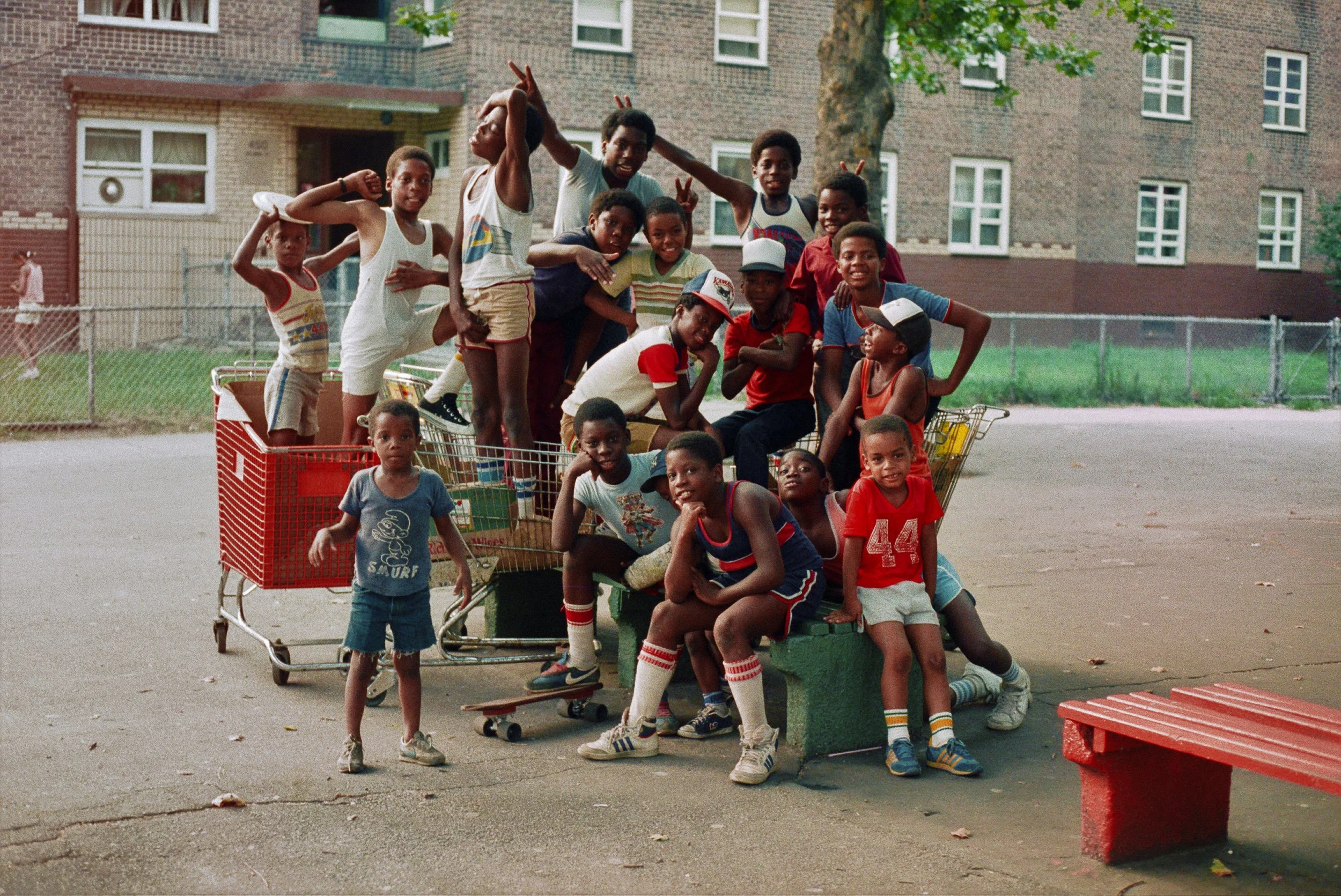
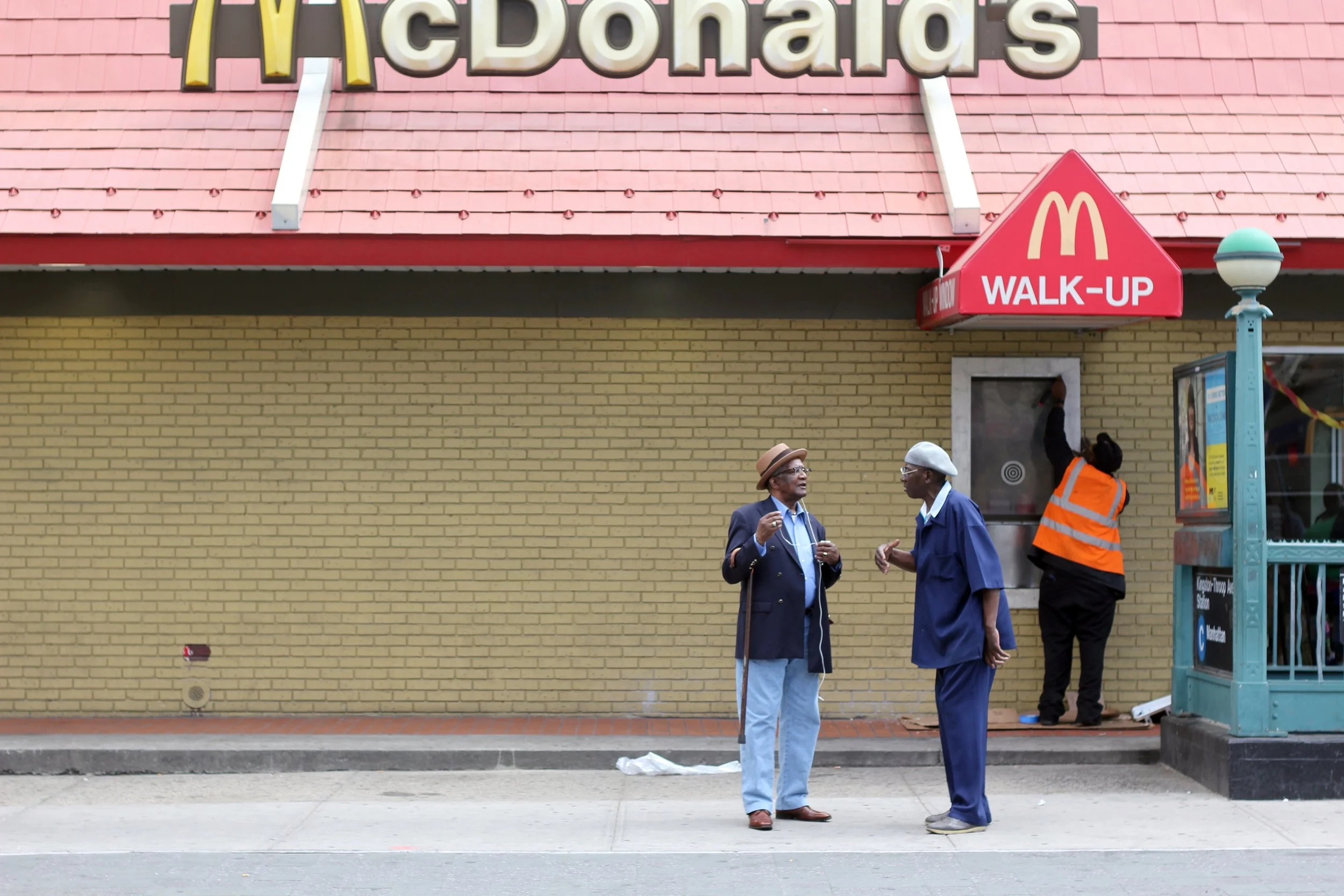
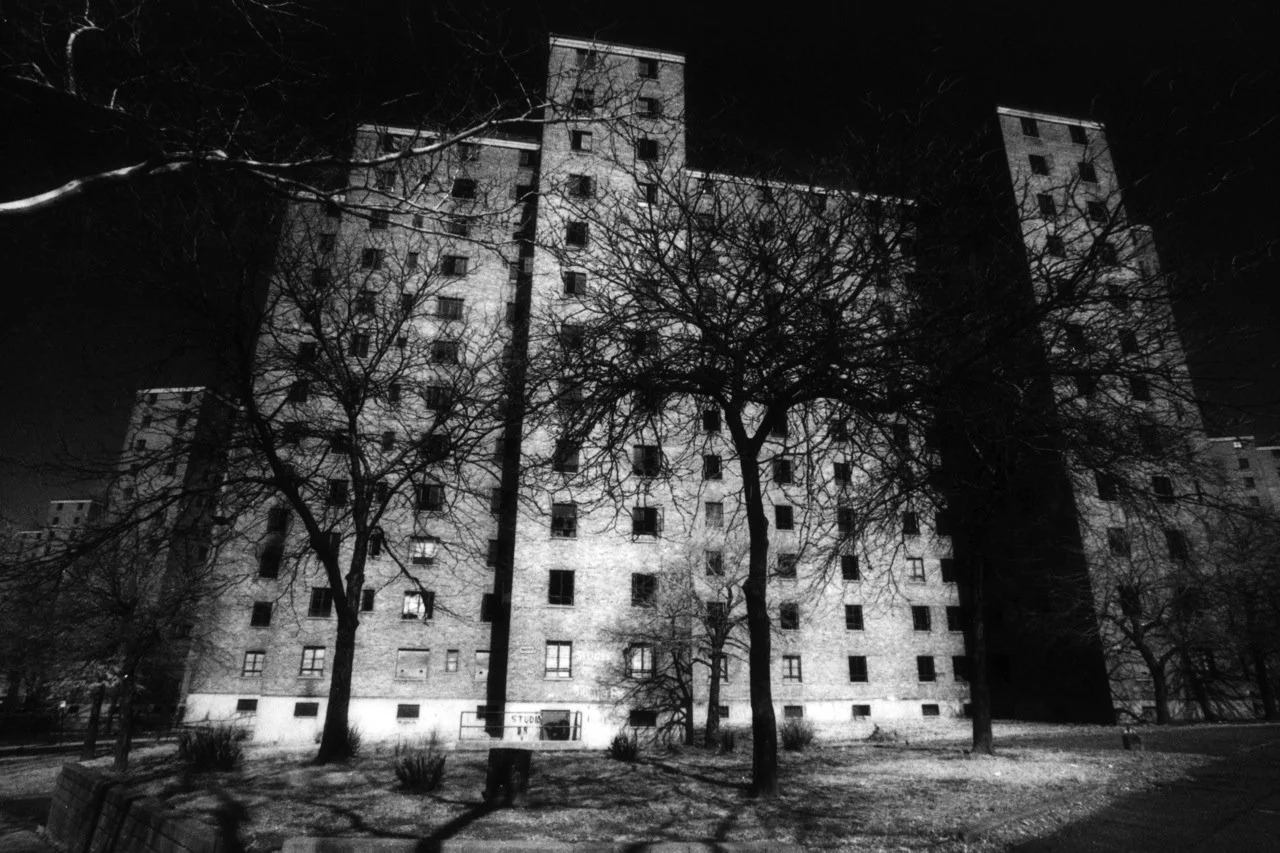
He also recorded daily life in the Bronx, still a close-knit community despite gang wars, empty lots and buildings that burned seemingly every week. “Landlords did it for the insurance money,” says Conzo. “There was a lot of turmoil, this was the 1970s and the 1980s. People were tired of the poverty, the school cuts. There were a lot of protests. And then there were these Black and Latino kids making their own music and bringing it into the streets.”

The first time Conzo heard hip-hop, he was at the North Bronx club T Connection, where The Cold Crush Brothers had asked him to be their photographer for the night. “They didn’t even call it hip-hop then,” he remembers.

It was 1979 and Conzo loved disco, so he didn’t expect anything special. But he recognized hip-hop as a groundbreaking force, created from old records and the stories of people he knew. “What I heard was my parents music, like James Brown, but playing only certain parts—the breaks. “I was like, ‘wow!’ The MCs would come on spitting about the block I lived on and the happenings in the hood. I was kidnapped by hip-hop.”

Sometimes the music was the only spark of life on a block. “What really sticks out for me was all the devastation around us. Gangs were part of the norm but if you ignored them and crossed the street, you were ok. But the abandoned buildings— whole city blocks with maybe one building standing --- and inside was the dopest party was going on.”

Conzo, a third-generation Bronx resident who lives there still, took up photography in grade school and by his freshmen year of high school, he was a pro. “I started using a camera when I was ten,” he says. “For Christmas, I got a darkroom and just started developing my own black and white photos.”

Among the scenes he photographed as a teen were the high- profile community protests against the 1980 film, "Fort Apache, The Bronx,'' starring Paul Newman and filmed on location. Conzo’s mom, an activist known as the “Hell Lady of the Bronx,’’ organized demonstrations against the film after producers asked if they could film in a community center she ran. She read the script and was appalled. “She was like, ‘this is so biased against the South Bronx. Everyone is either a pimp, pusher or convict,’” recalls Conzo.

He documented the daily demonstrations on set, where protesters carried signs reading “Fort Apache is an anti-Black, anti-Puerto Rican movie.” He also shot a tense-looking Newman, scowling at the camera as a handler holds up her palm to shield him. As a result of the protests, producers ran a disclaimer at the start of "Fort Apache" explaining that the film does not portray “the law-abiding members of the community...and the efforts of the people and groups that are trying to turn the Bronx around.”

Since the early 1990s, Conzo has continued to work as a photographer, documenting hip-hop and street culture from the Bronx to Korea. But he’s also kept his day job as a Bronx EMT and is still deeply involved with the community.

“A lot of things are going on, particularly with education, that aren't right,'' he says. "But there’s a housing boom and a lot of good things are happening here. Still, people ask, is the Bronx the way it is in the movies?' No.”

Even if it was, Conzo wouldn’t leave. “I have so much love for the Bronx,” he declares. “I’ll probably die here.”

Buy HYCIDE in print
HYCIDE cover
HYCIDE cover
HYCIDE cover
HYCIDE cover
HYCIDE cover
HYCIDE cover
HYCIDE cover
HYCIDE cover
HYCIDE cover
HYCIDE cover

HYCIDE explores the roles we create for ourselves and those created for us, challenging the status quo while bearing witness to the feared, neglected and misunderstood.

Our Mission: Stories of survival and freedom. No judgment.

    READ MORE FROM HYCIDE MAGAZINE