
BLACK HIROSHIMA: A TIME AFTER CRACK
Words by Micheal A. Gonzales | Images by Akintola Hanif
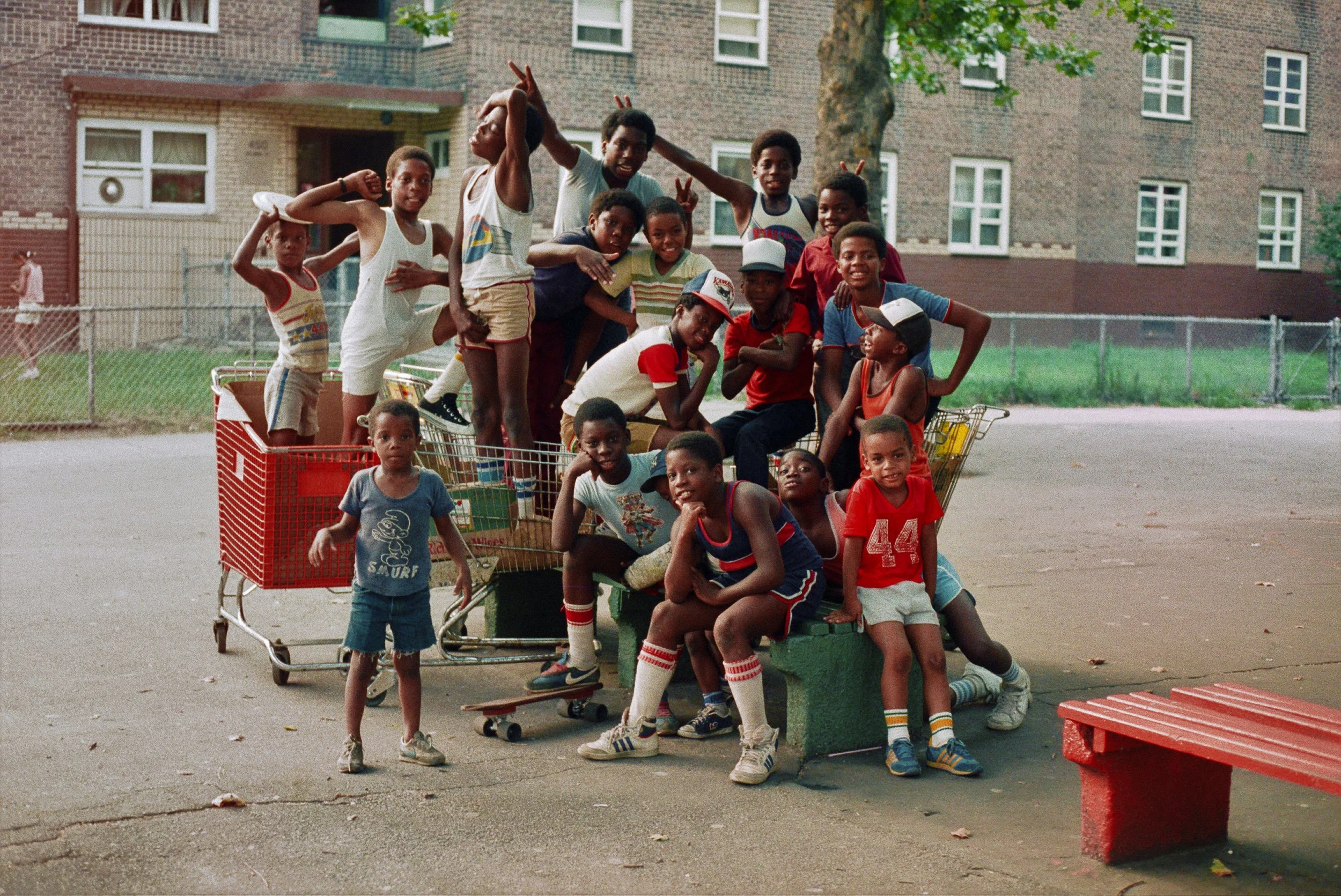
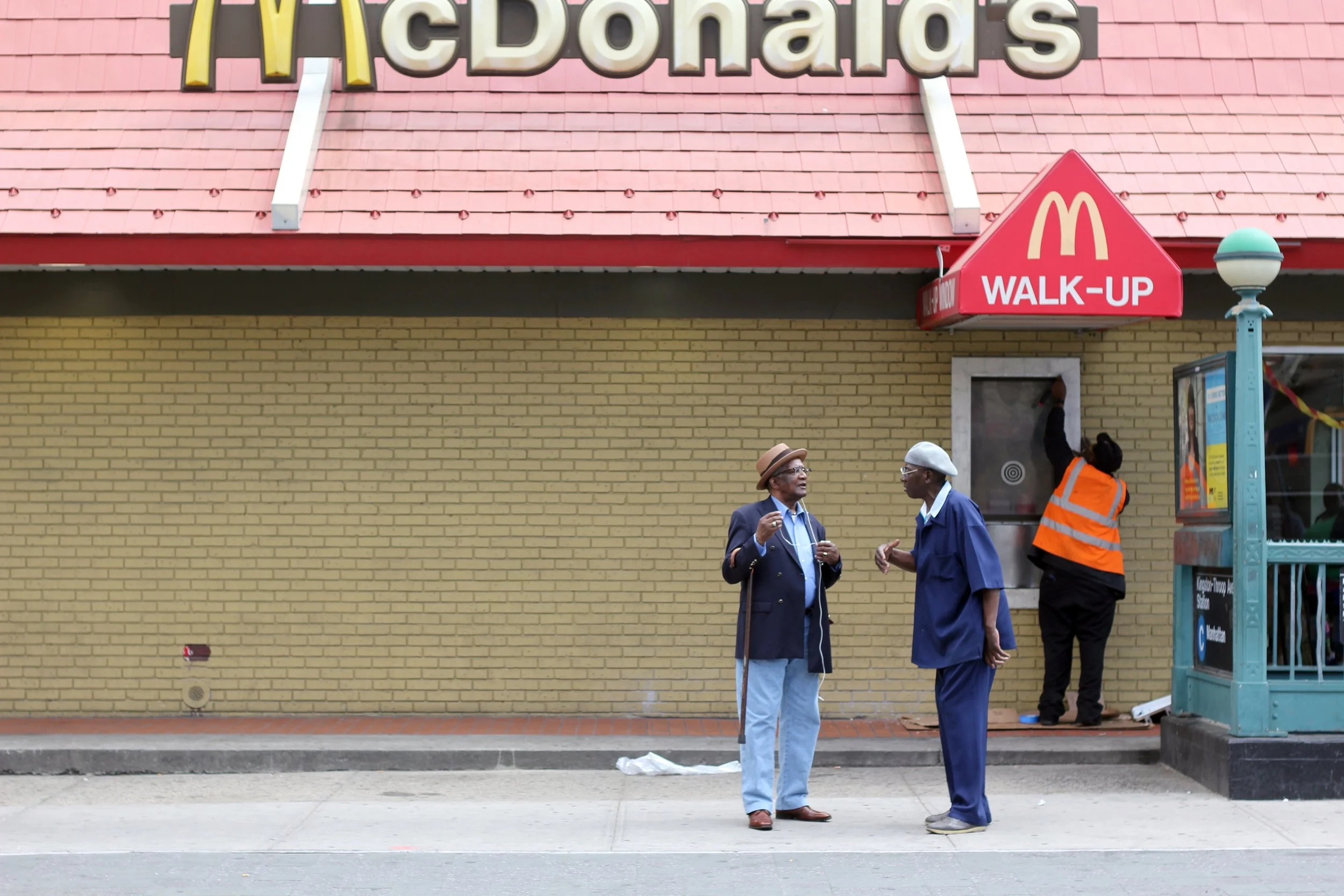
Growing-up in Harlem during the pre-crack era of the 1970s, hip-hop mantras of hoes and hate wasn’t how we were raised. Our mothers and fathers, most who were real adults by the time they birthed us, some who had grown-up under segregation and/or Jim Crow, wanted a better tomorrow for their children. Hell, even cats that were number runners and hustlers reinforced the positive words of Martin Luther King and Malcolm X as they encouraged neighborhood kids to stay in school and “grow-up to be somebody.”
In one key scene of the seminal Blaxploitation film The Mack, a young boy tells the pimp Goldie that he wants to be just like him. “Hey, now I told you about that,” Goldie sternly replies. “I don’t ever want to hear you saying that again. You can be a lawyer, you can be a doctor, but I don’t want to hear you say you want to be like me."Of course, I shouldn't pretend the streets were completely drug free back in the day. While only the true players could afford cocaine, weed was prevalent and there were a few heroin heads nodding out on Amsterdam Avenue. And, please don’t get me started on the wackness of angel dust.
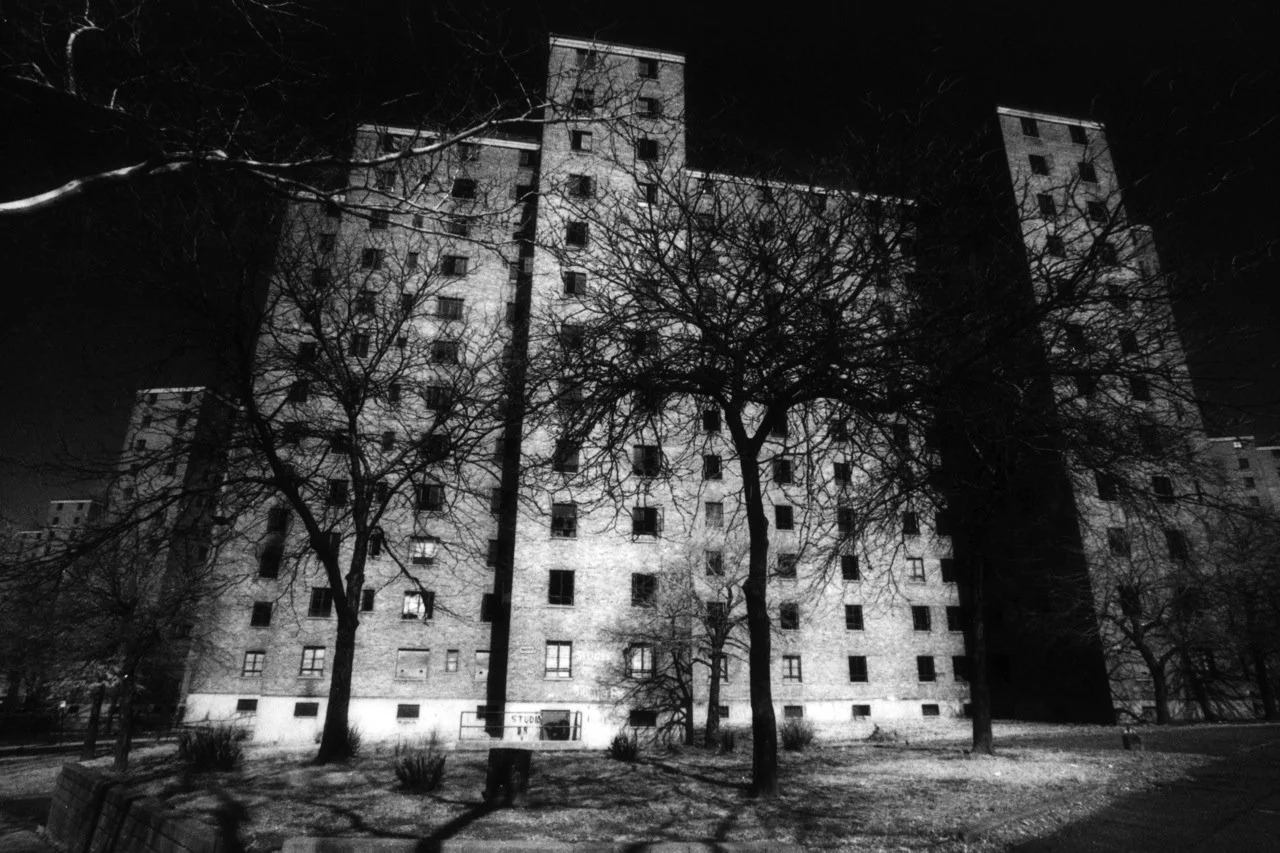
Beginning in the go-go ‘80s, crack changed our world; it rocked the foundation of family and ripped-out the roots of revolution. Hope was replaced by bleakness, pain and piss in project staircases. To paraphrase rapper Mos Def, crack was Black America’s personal Hiroshima: the cooked-up coke concoction was the bomb, and pungent fumes drifting from countless glass pipes still hover over our communities like toxic mushroom clouds.
Although I’ve never been one to contemplate conspiracy theories, it’s hard to believe that crack wasn’t designed to either take us out or drive us crazy. Overnight, our once thriving communities were transformed into Third World countries and making it to the age of 21 was a pipedream. From Harlem to Hagerstown, Brooklyn to Baltimore, Long Island to Los Angeles, no chocolate city across the country was immune.
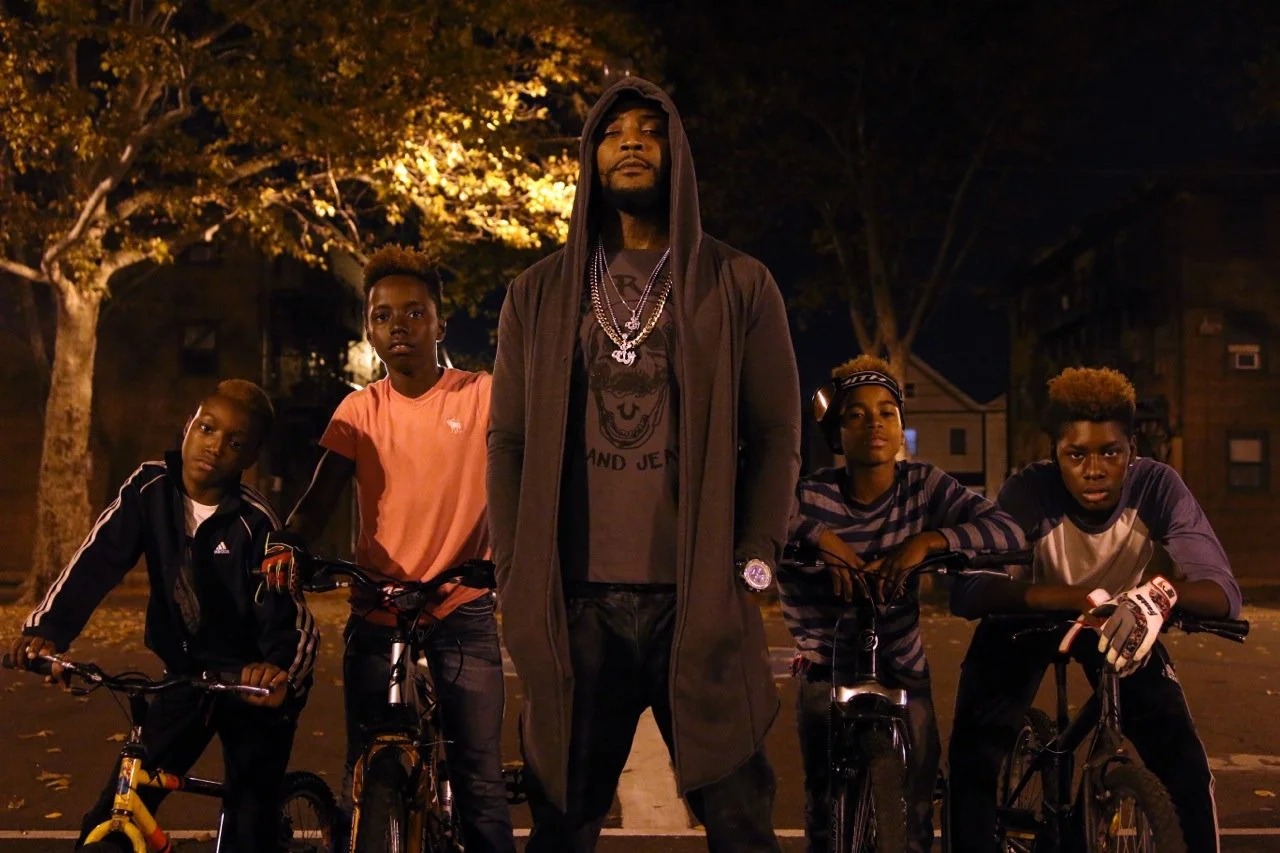
Some of the best minds of my generation were destroyed. “And nobody gave a fuck,” Mos Def told a writer in 2009. “The local governments, nobody gave a fuck about us.” Dealers with their pit bulls and other “bitches,” began to multiply. Hood chic became the norm in popular culture, with crack gangster rappers convincing white kids that calling each other “nigga” was all right and brainwashing young Blacks into believing hardness was next to godliness.
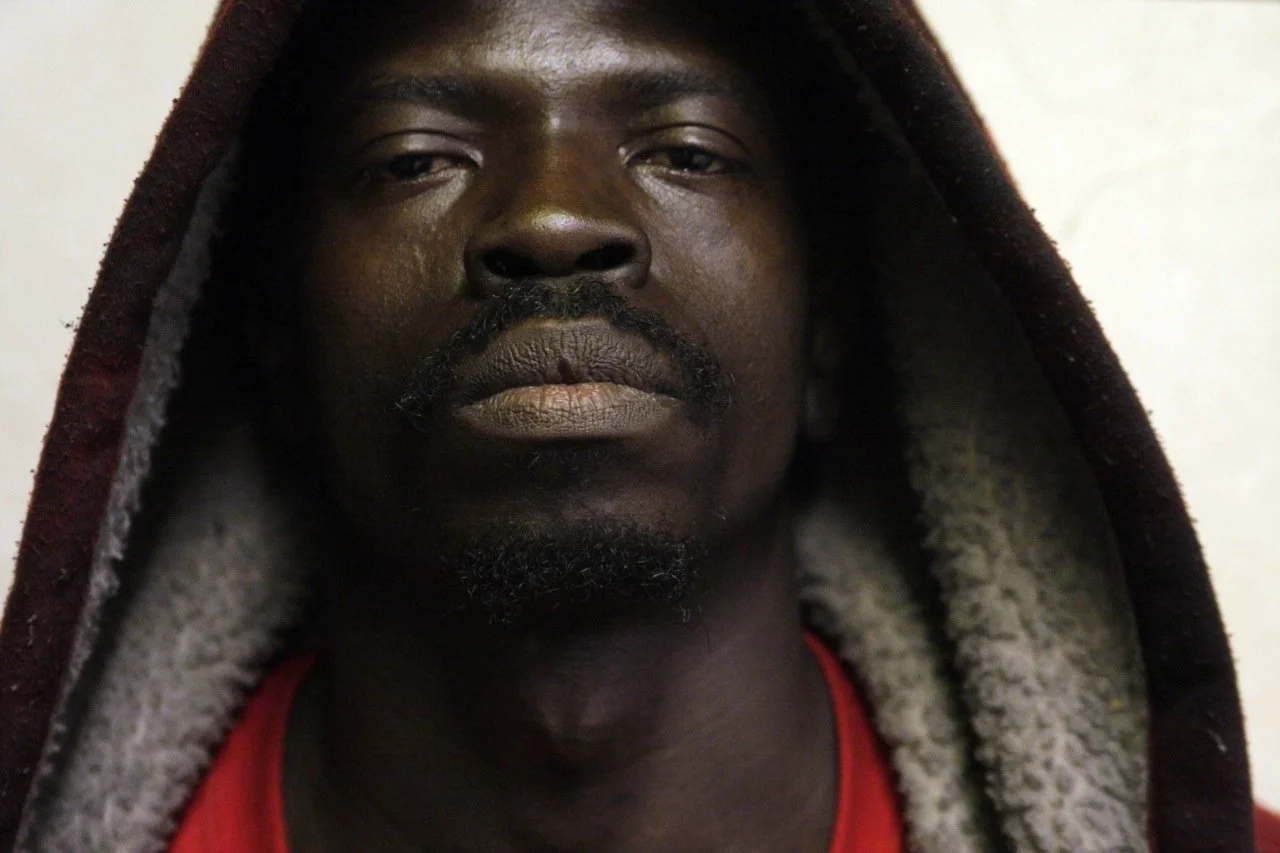
Today, nearly thirty grim years after I first heard a dealer mutter “crack, crack” on a Convent Avenue street corner, I’m still shedding tears for those caught-up in a myth of what it means to be Black and “real.” More often these same folks find themselves, whether literally or mentally, caged like the animals America wants us to be: Black on Black violence, Black on Black anger, Black on Black addiction.
Defined by gang colors, betrayed by politicians, class, empty rhetoric, stupid movies, Black intellectuals, certain rappers and themselves, their outlook often mirrors those of old punk rockers: No future, nigga. Yet, the duality of any hood in America, and what we often forget, is that there are still families cooking outside on the Fourth of July, there is still the sound of laughter as kids play on Christmas, there are still grandmas making pancakes on Sunday morning, there are still budding romances played out on park benches and there is still love. Not just hood antics, but also brotherhood, sisterhood.
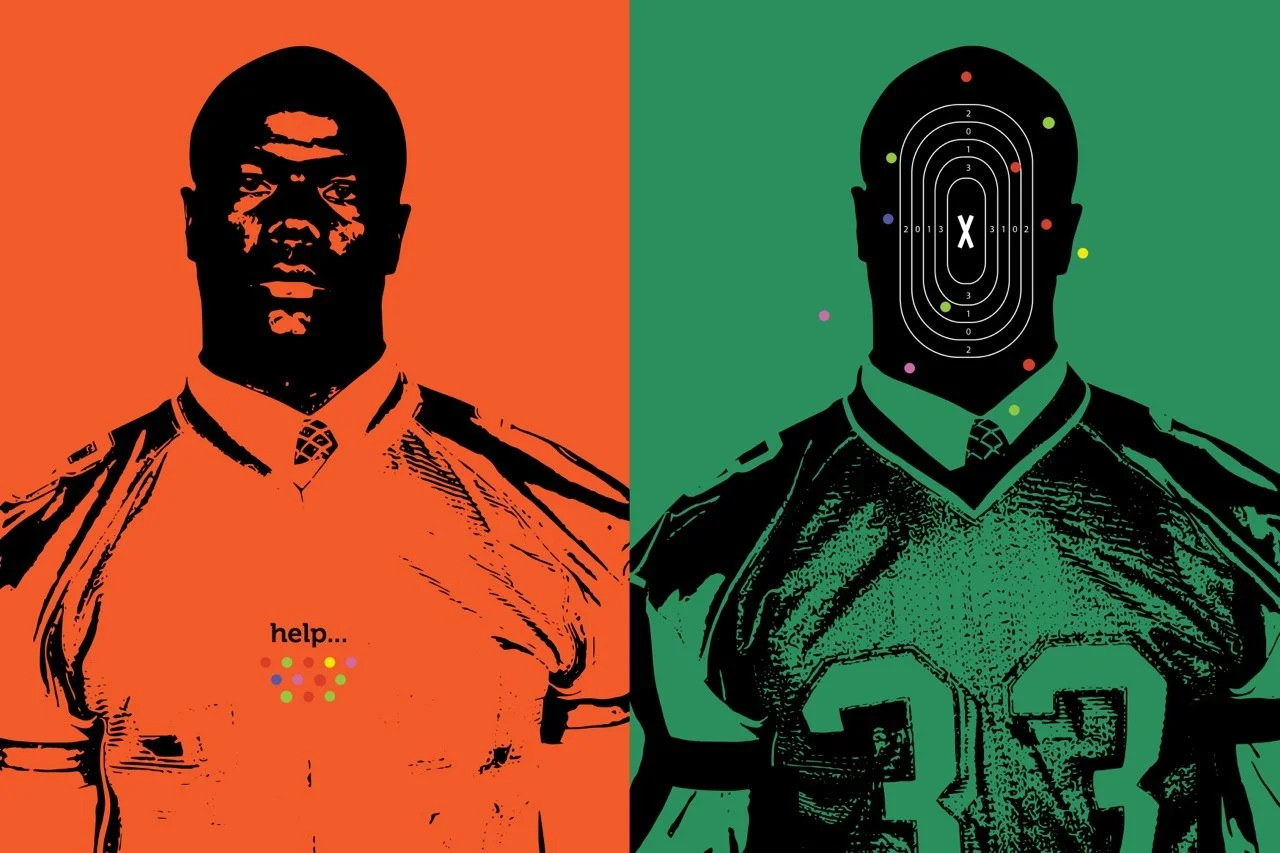
“This innocent country set you down in a ghetto in which, in fact it intended you should perish,” James Baldwin warned in The Fire Next Time. Himself a ghetto child from Harlem who went on to become a harsh spokesman on race and peril in America as well as a talented author, he clearly understood that it was possible to shatter the chains despair and break the cycle of pain. Indeed, no one should be content to be another anonymous name on the obituary page, just another statistic with a candle-cluttered shrine.
Brooklyn-based cultural critic Michael A. Gonzales has written cover stories for Essence, Wax Poetics, Code, Vibe, XXL,and The Source. Currently he writes for the London Telegraph, New York magazine and the Village Voice. He blogs @ blackadelicpop.blogspot.com.
HYCIDE explores the roles we create for ourselves and those created for us, challenging the status quo while bearing witness to the feared, neglected and misunderstood.
Our Mission: Stories of survival and freedom. No judgment.
READ MORE FROM HYCIDE MAGAZINE