
BACK TO EDEN
Words by Carrie Stetler | Images by Wayne Lawrence
White people in search of tans aren’t the only ones who go to the beach. But pop culture images of the shore usually focus on a single type — Malibu Barbies and Kens, and more recently, the bulked-up, hair-gelled cast of "Jersey Shore.''
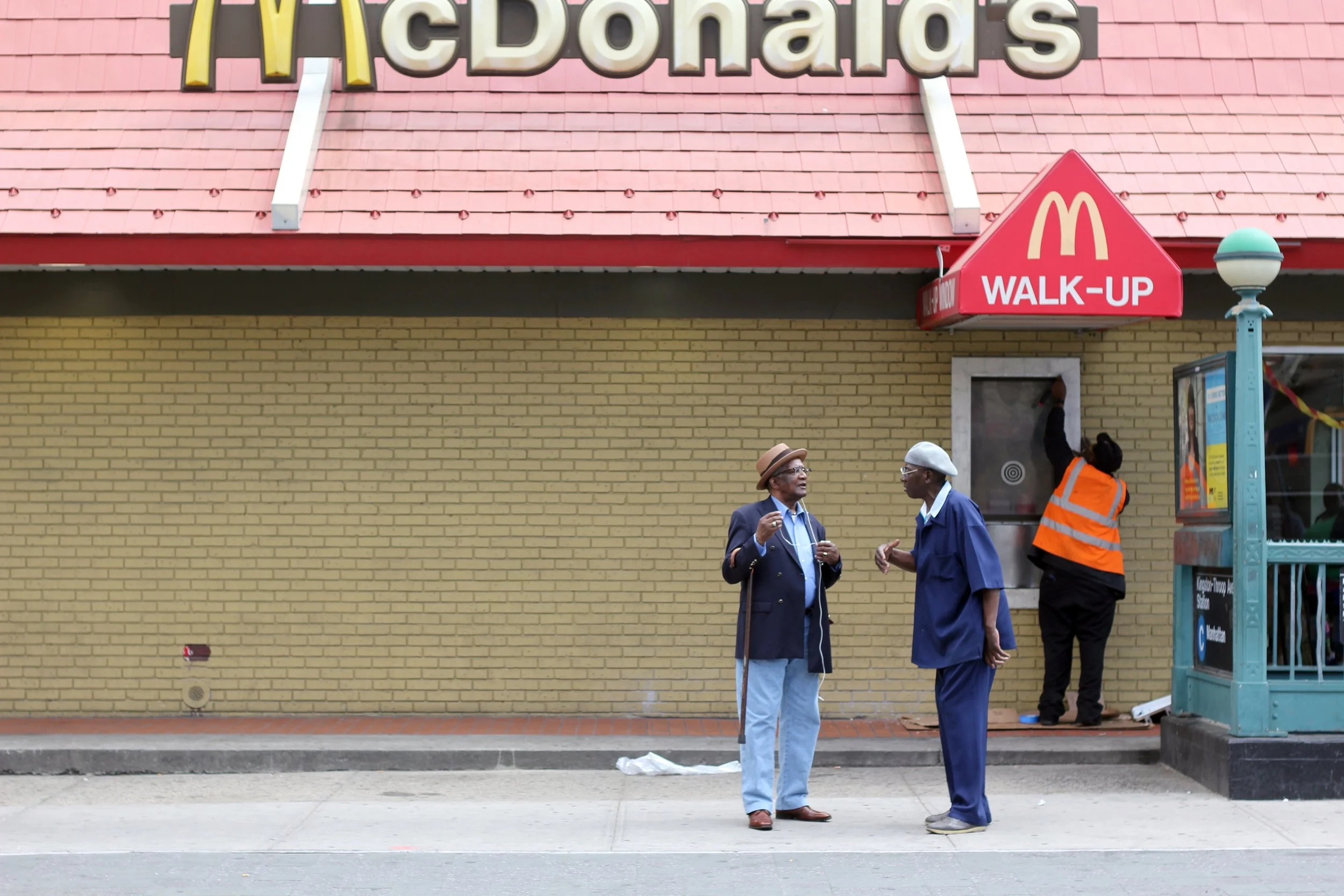
They look nothing like the people in Wayne Lawrence’s photo essays, Orchard Beach: The Bronx Riviera and MIA: Soliloquy of a Dream. “It’s uncommon in American culture to see images of Black and Latino people at the beach,” says Lawrence, who lives in Brooklyn. “I’m from St. Kitts, where tourists pay to experience our culture, so creating a series of beach images in the Bronx was very much about challenging stereotypes. I was initially drawn to Orchard Beach because it had the stigma of being one of the worst beaches in New York; not because of its physical nature but because it was associated with the hood.”
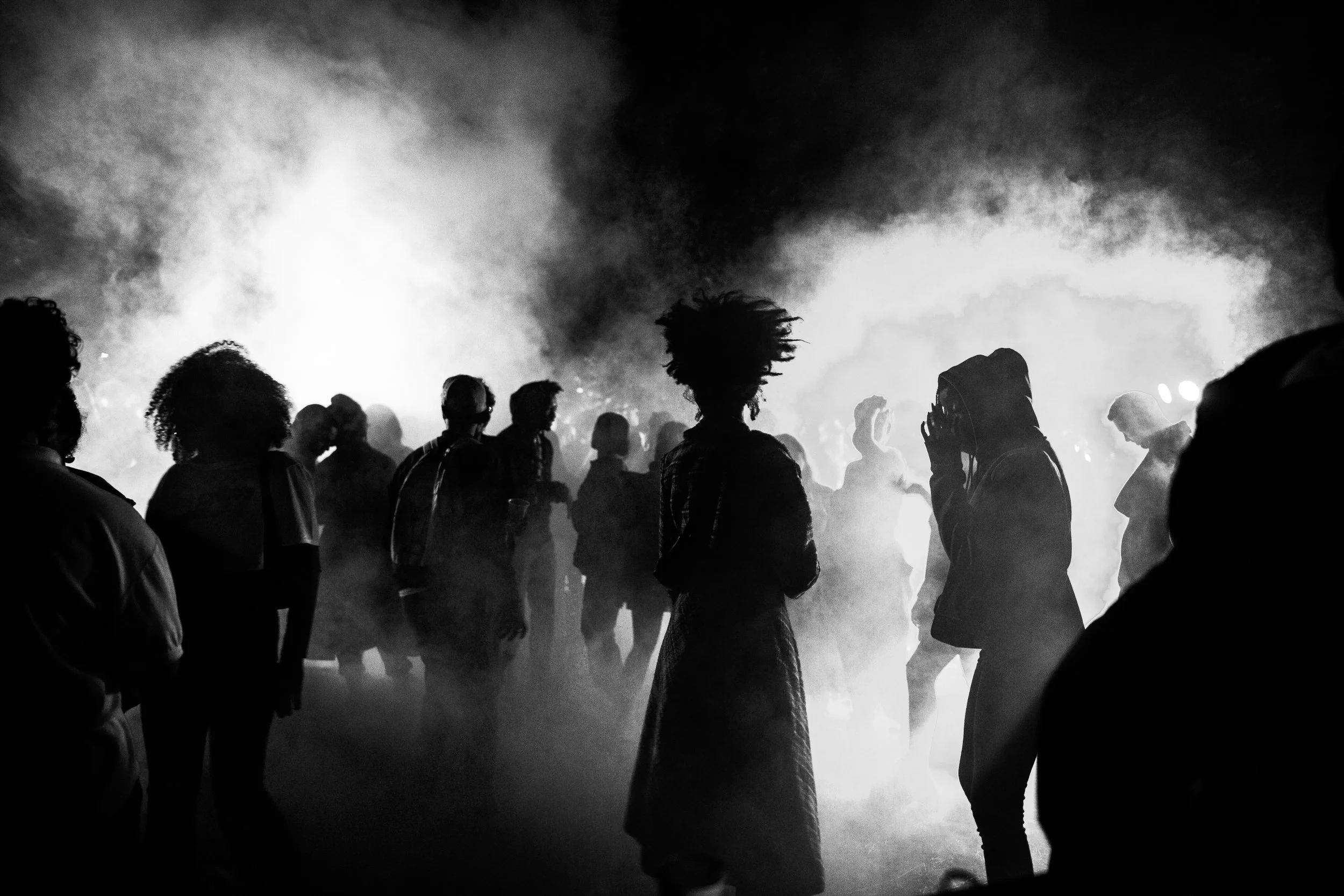
His MIA photos focus on Urban Beach Week in Miami’s South Beach, which draws more than 200,000 visitors to the world’s largest hip-hop street fest. “It transforms South Beach during Memorial Day Weekend from a pastel towns of snowbirds, sand and plastic into a chocolate toned gangster’s paradise with the aspirations of a whole generation of youth in clear view,” Lawrence has written.
At Orchard Beach, his subjects are open and relaxed, at one with the ocean and sand. For Lawrence, Orchard Beach is like Eden. “When we return to the water from whence we came, we’re reminded of our true essence, which fills us with a sense of peace,” he says. “Our existence is defined by our relationship to our maker, but as we grow and the forces of society creep up, we lose sight of our nature and allow ourselves to be defined by material culture.”
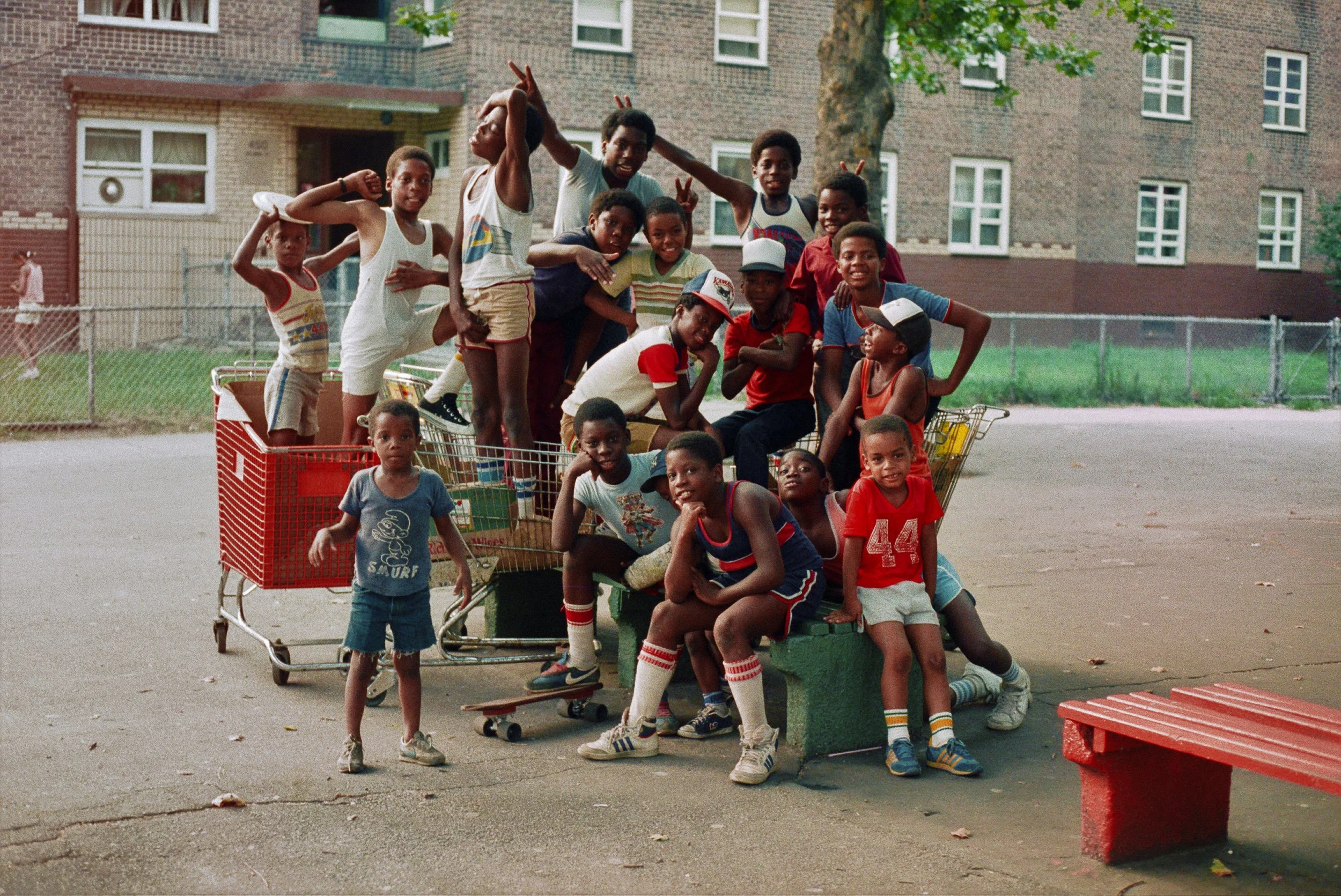
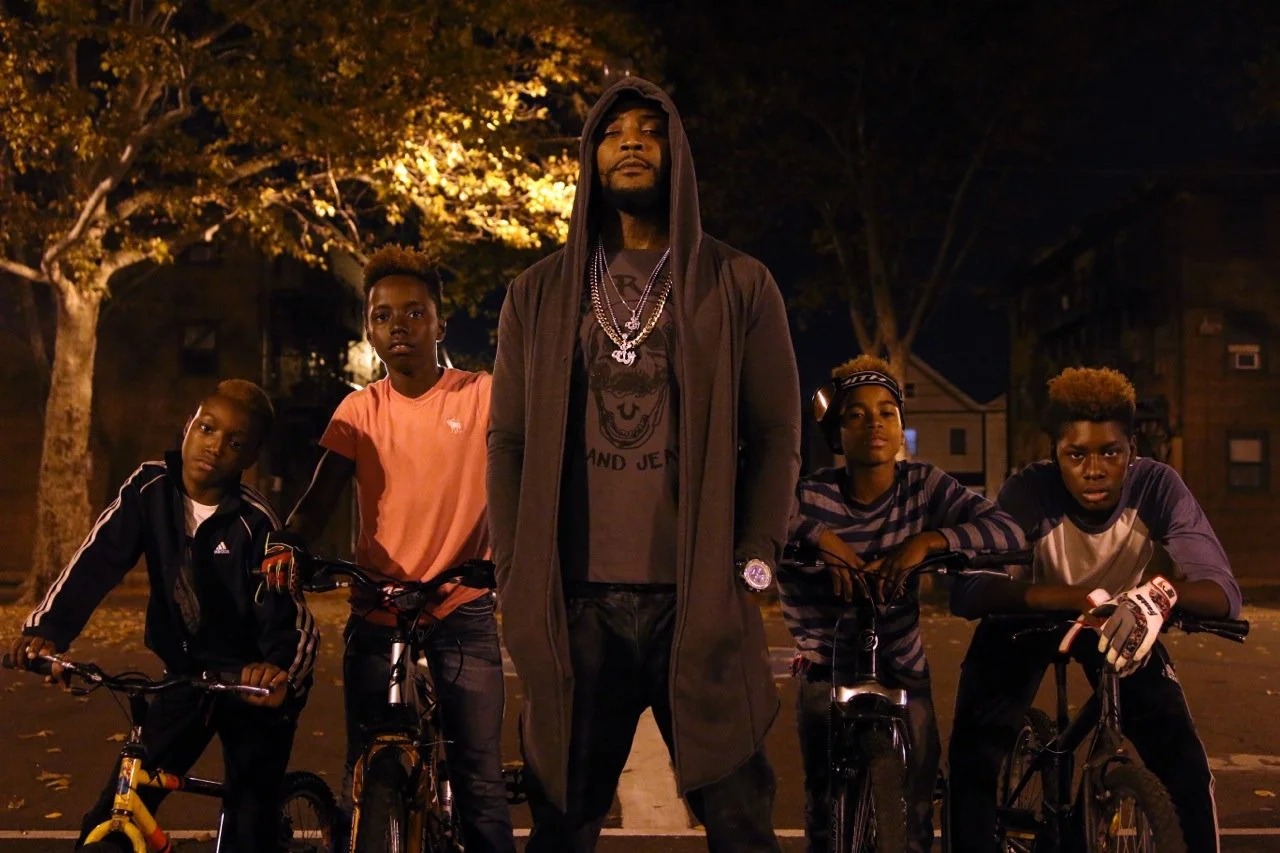
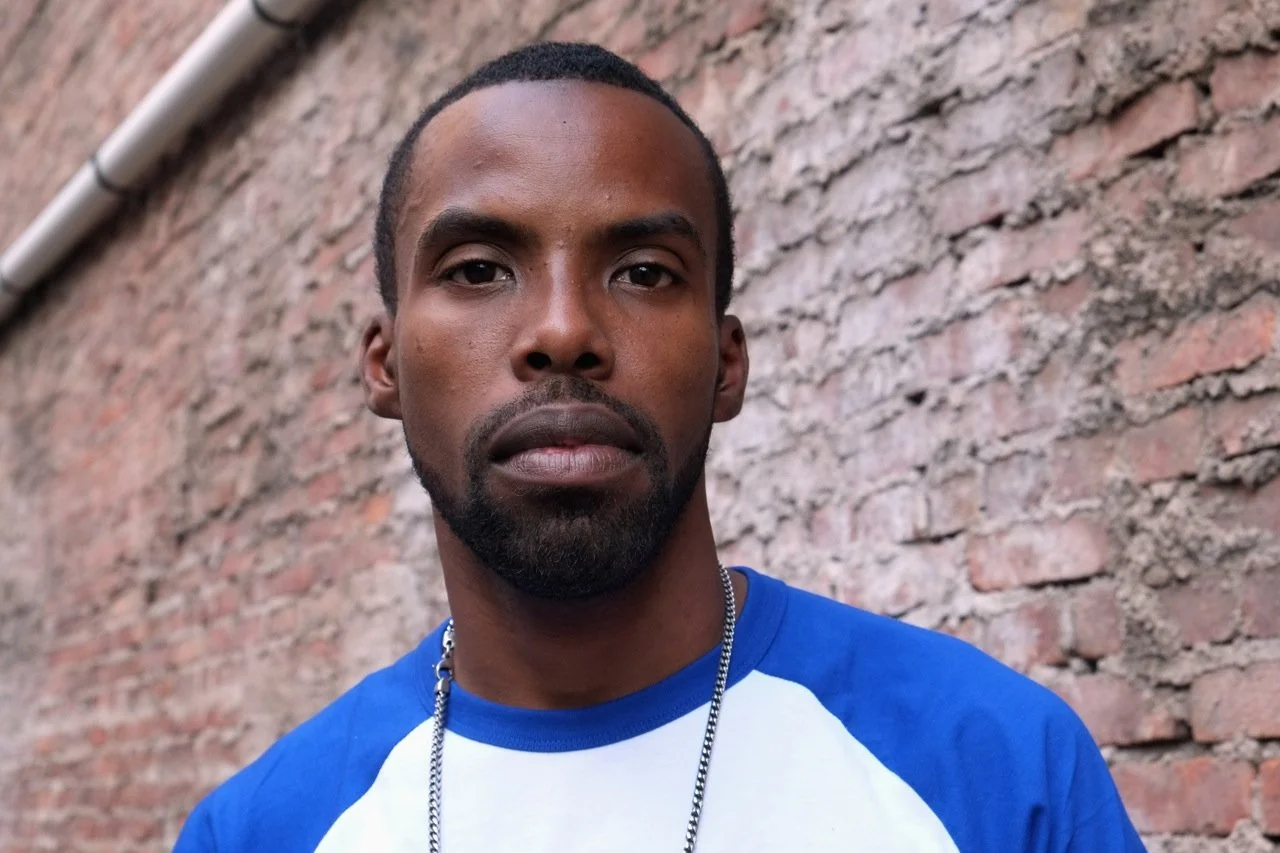
For five years, Lawrence shot Urban Beach Week and the Caribbean festival of Jouvert . But his work shares a common theme. “I’m drawn to marginalized communities where expressions of self and family dynamics are very similar to my own history. The portraits I make are usually me responding to familiar gestures that reveal something of a person’s character,” he says.
“At the core of my work is the belief that we are all born with the potential for greatness but it often depends on the community that we’re born into, the people we encounter, and the decisions we make as we navigate life. I’d hope that at the very least my work would be seen as a celebration of all we have in common, regardless of race, religion or creed.”
HYCIDE explores the roles we create for ourselves and those created for us, challenging the status quo while bearing witness to the feared, neglected and misunderstood.
Our Mission: Stories of survival and freedom. No judgment.
READ MORE FROM HYCIDE MAGAZINE