
(1)NE DROP

Words by Yaba Blay | Images by Noelle Theard

Do you know Blackness when you see it? I always thought I did. I thought I could spot a Black person from a mile away. I grew up in New Orleans, Louisiana -- home to a distinct and preeminent group of folks who self-identify as “Creoles.” Creoles often pride themselves on their light skin and silky hair. A mix of African, Native American, French, and sometimes Spanish heritage, some Creoles are light enough to pass for White. We call them “passé a blanc.” Other Creoles make it a point to announce, if not perform, their imagined racial distinction -- not White, not Black, but Creole.

One of my favorite pastimes as a youth in New Orleans was “picking out Black people’’--people who everybody else might have thought were White or “something else,” but who I knew for a fact were Black. Maybe it was the curl in their hair or the specific tint of their skin, the cadence in their voices, or the sway of their steps, somehow I knew they were Black.

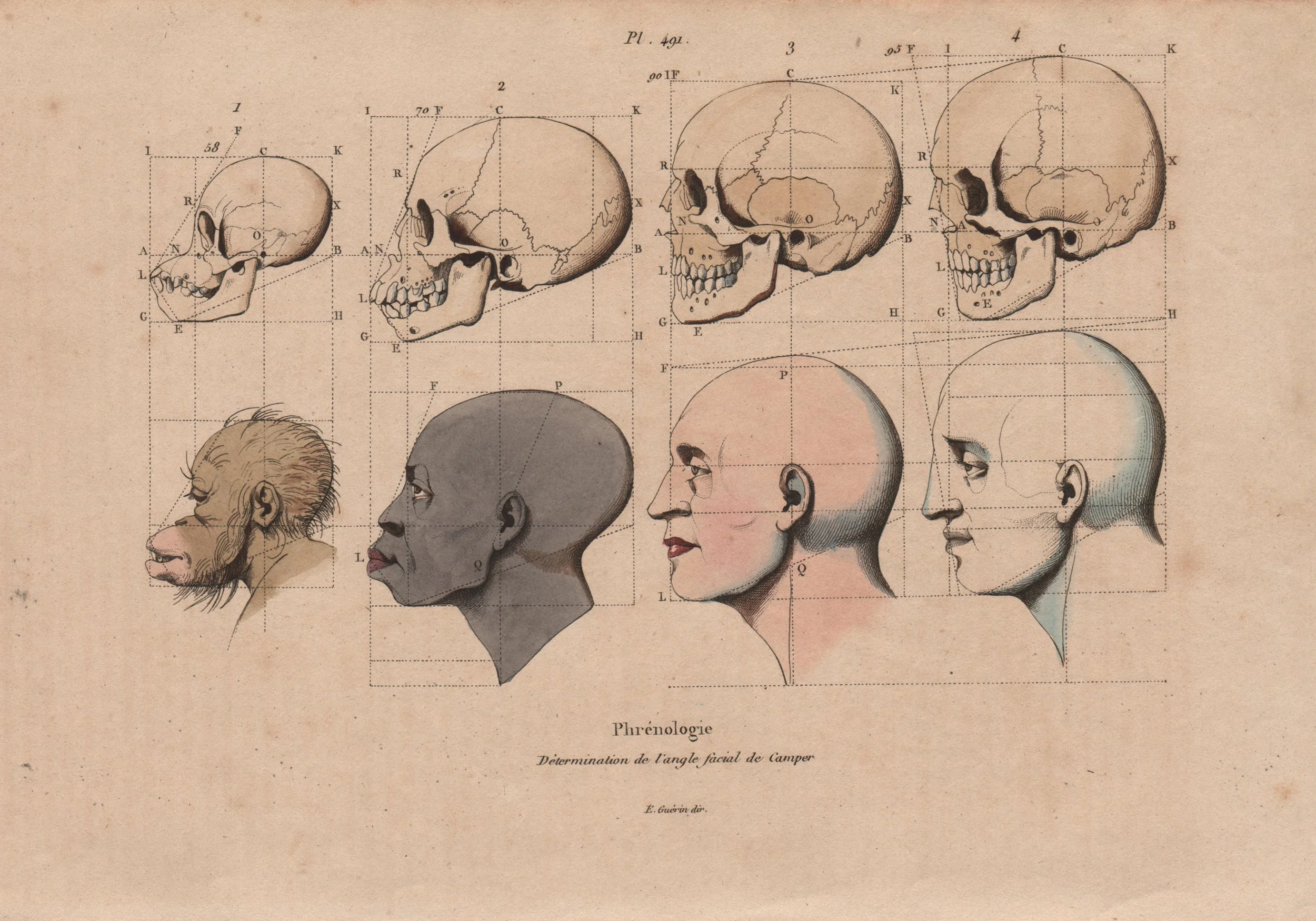
Even as a child, I understood the “one-drop rule,” the law that held that anyone with 1/32 of “Black blood” was Black. And somehow I made it my mission to identify Blackness any chance I could get. Maybe it was my way of retaliating against those who didn’t want to be associated with my kind – those whom I felt rejected me because of my Blackness.

In my limited experience, it seemed that people whose physical appearance gave them the “option” to be something else, chose to be something else. So in my adult life, when I left New Orleans and began to meet people who were very adamant about their Black identity, even though they could have easily identified as “mixed” or “Latino” or “Creole,” or could have even passed for White, I found myself immediately intrigued. I wanted to know how it was that they came to understand themselves as Black and how exactly they defined their own Blackness. I started to rethink my understanding of race and Black identity, as well as my perspective on skin color politics and the one-drop rule. So began my journey into the (1)ne Drop project.

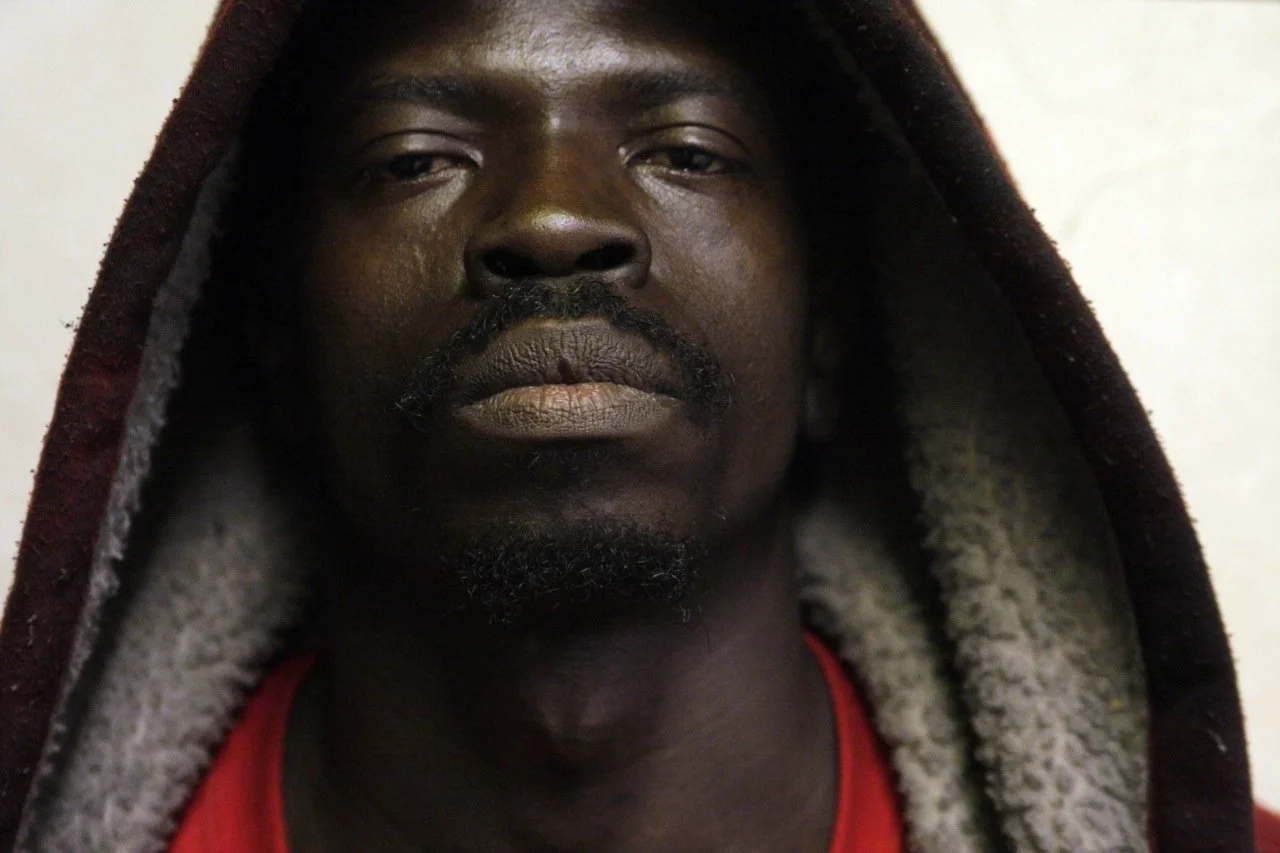
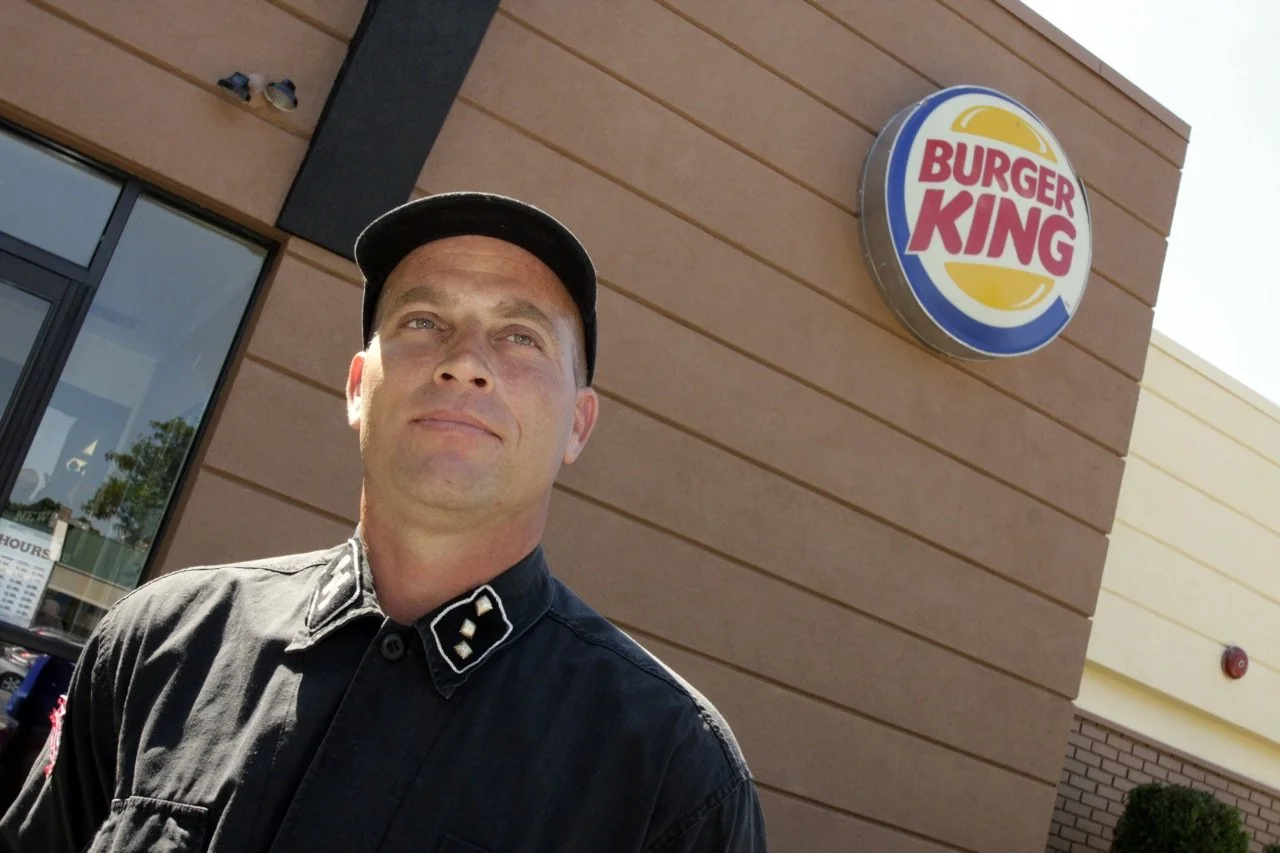
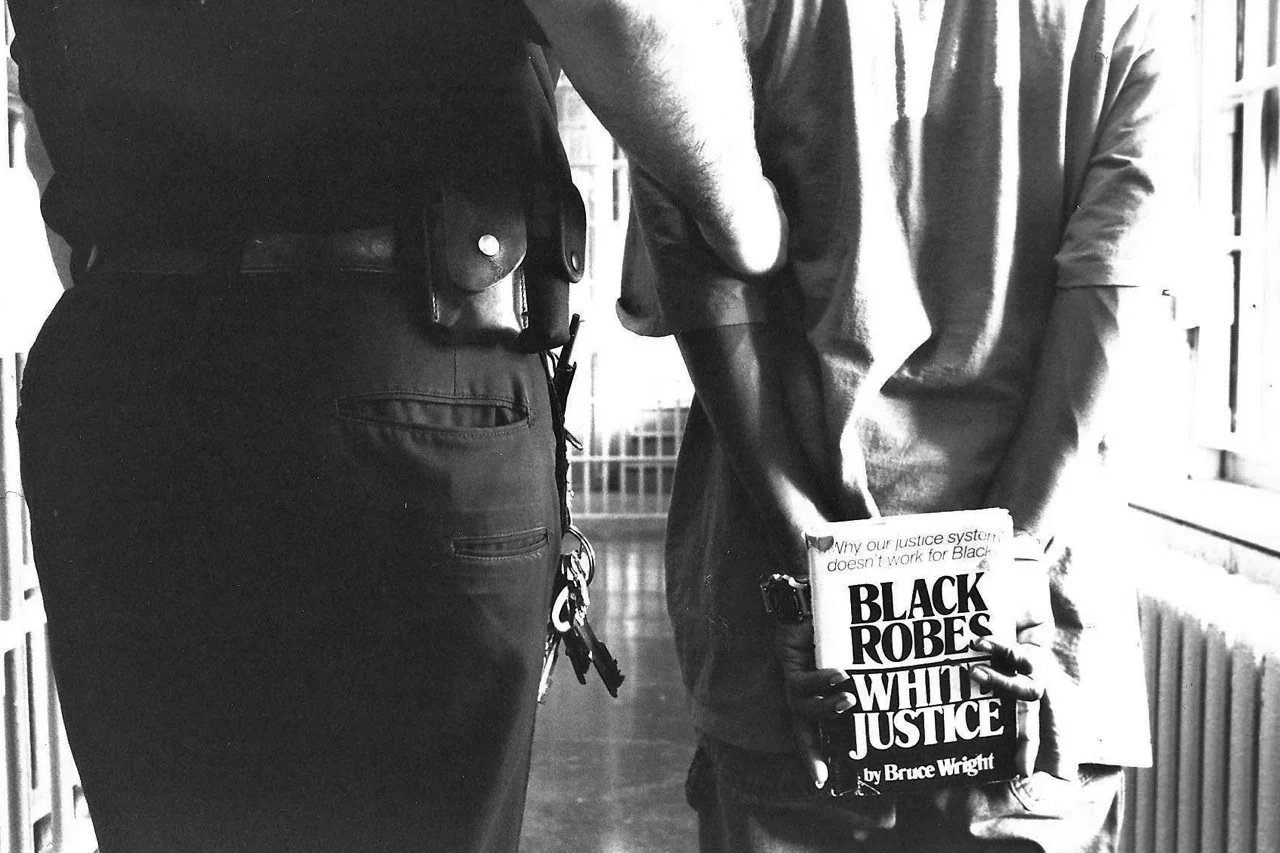
(1)ne Drop documents the thoughts, feelings, opinions, perspectives, and experiences of a variety of people of African descent from around the world, all of whom have had the experience of having their identity called into question simply because they don’t necessarily fit into the “Black box:’’ dark skin, “kinky” hair, broad nose, full lips, so on and so forth. Most of them have been asked, “what are you?” time and time again. And all are very clear about exactly what and who they are – Black.

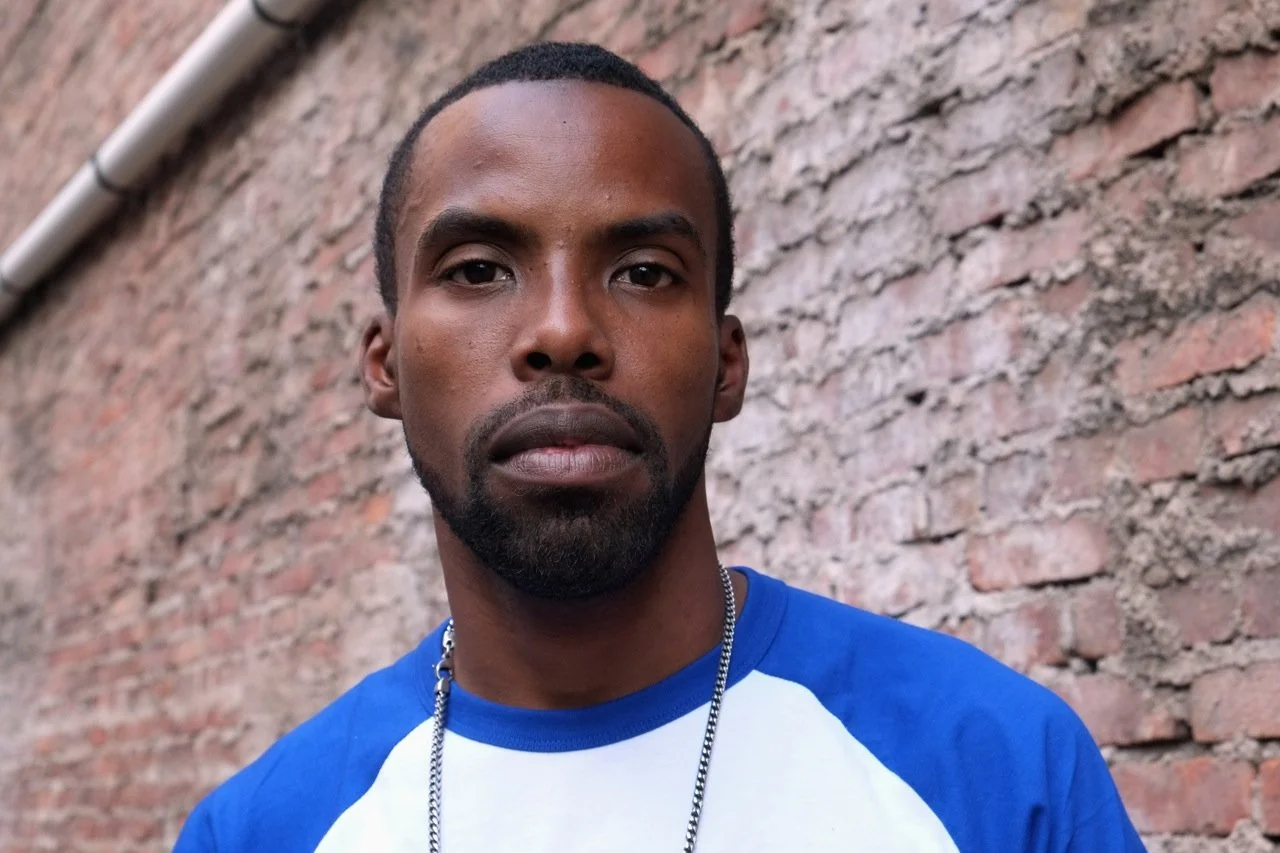
Combining candid memoirs with the portraiture of award-winning photographer, Noelle Théard, (1)ne Drop provides living testimony to the fluidity of Blackness. Through their personal narratives, contributors provide insight into their own imaginings of Black identity and their experiences as Black people. It is from their voices that we come to see multiple possibilities for Blackness above and beyond the one-drop rule.

Yaba Blay, Ph.D. is an Assistant Professor of Africana Studies at Lafayette College where she also teaches courses in Women’s and Gender Studies. To learn more about (1)ne Drop: Conversations on Skin-Color, Race, and Identity, please visit www.1nedrop.com.

Buy HYCIDE in print
HYCIDE cover
HYCIDE cover
HYCIDE cover
HYCIDE cover
HYCIDE cover
HYCIDE cover
HYCIDE cover
HYCIDE cover
HYCIDE cover
HYCIDE cover

HYCIDE explores the roles we create for ourselves and those created for us, challenging the status quo while bearing witness to the feared, neglected and misunderstood.

Our Mission: Stories of survival and freedom. No judgment.

    READ MORE FROM HYCIDE MAGAZINE